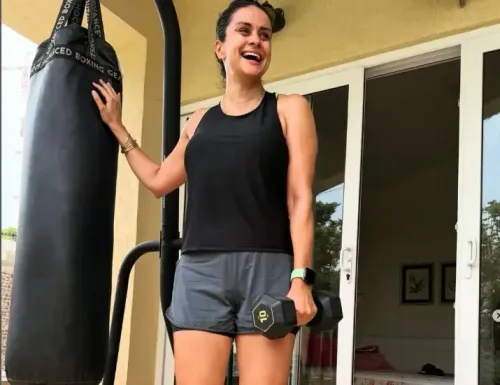
Florence Pugh denies Ozempic use, says body change is from muscle-building
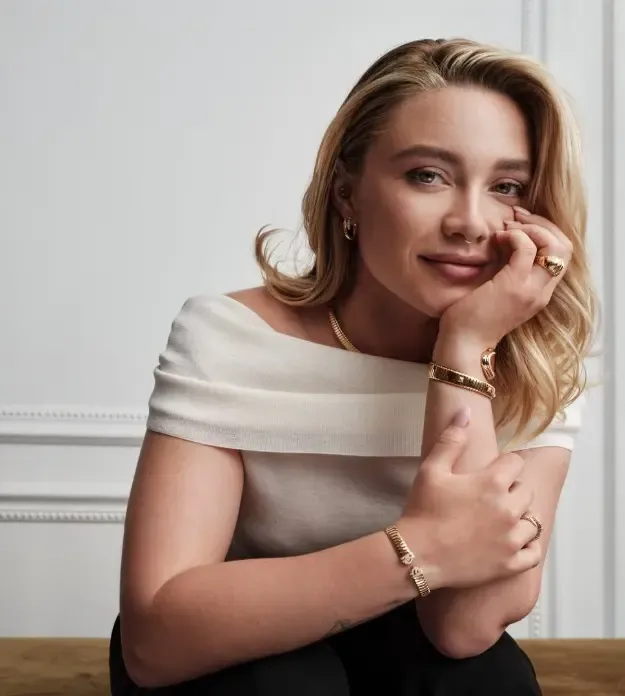
Synopsis
Florence Pugh’s viral Instagram post is not just a denial — it’s a detailed counter-narrative. She lost only 2 pounds, can lift 110 kg, and took publications to court over AI-fabricated injection images. At the centre of it: a stark observation that the internet moved from fat-shaming her to surgery-shaming her, with the urge to dissect her body never once pausing.
Key Takeaways
Florence Pugh categorically denied using Ozempic or undergoing any cosmetic surgery in a detailed Instagram post .
She attributed her physical change to strength training, reduced alcohol, better sleep, and regular nutrition — not weight loss; total weight lost was just 2 pounds .
She can now do six pull-ups and lift 110 kg , having started with a goal of completing just one pull-up.
Pugh disclosed she had sued publications that published AI-generated images falsely depicting her receiving cosmetic injectables.
The actress said she has faced body shaming since the start of her career — first for being larger, now for looking leaner — and called the scrutiny a shared cultural problem.
Actress Florence Pugh has forcefully pushed back against widespread online speculation about her physical appearance, categorically denying that she has used Ozempic or undergone any cosmetic surgery. In a lengthy and emotionally candid Instagram post, Pugh attributed her visible transformation to strength training, improved mental health, reduced alcohol consumption, and a more disciplined approach to nutrition and rest.
What Pugh Said
Pugh described waking up to thousands of people dissecting her face and body online as deeply distressing. “I find it so stressful waking up and having thousands of people talking about you and your body in ways that you can’t even comprehend,” she wrote, acknowledging the current cultural obsession with Ozempic and cosmetic procedures. She listed the surgeries she had been falsely accused of — upper and lower blepharoplasty, filler, face liposuction, buccal fat removal, chin surgery, and rhinoplasty — and flatly denied each one.
“I have never been on Ozempic. I have NEVER done any face surgery. And don’t EVER say that I didn’t make my own nose, I’ve always had that beautiful ski slope. Even as a baby!” she said.
The Real Reason Behind Her Transformation
Pugh revealed that turning 30 prompted a deliberate lifestyle reset. Her New Year’s resolution was to change her relationship with alcohol and to be able to complete at least one pull-up at the gym. She said she has since been able to do six pull-ups and lift 110 kg. Crucially, she disclosed that her total weight loss across this entire period amounts to just 2 pounds, underscoring that her goal was muscle gain and wellbeing rather than weight reduction.
“For the first time in my ENTIRE career, I have had the opportunity to be rested, to sleep, to wake up and work out and to eat regularly and healthily,” she wrote. She added that comparison images circulating online were drawn from periods when she was “really mentally unhappy and abusing my body,” placed next to recent photographs where she is “happy and truly respecting my body.”
A Career of Body Shaming
Pugh noted that body scrutiny has followed her since she entered the entertainment industry. She said she was subjected to fat shaming from the very beginning of her career and has consistently refused to stay silent about it. “I have loved every time I get to tell someone to fuck off when they are being inappropriate about my weight, and I’m not changing that now just because you’ve all said so,” she wrote. This is the latest in a series of public moments in which Pugh has confronted comments about her body, including a widely reported incident linked to her sheer dress appearance. The actress stressed that the direction of the online commentary has simply reversed — from criticism for being larger to suspicion for looking leaner — while the core behaviour of picking apart her body remains unchanged.
Legal Action and AI-Generated Misinformation
Pugh also disclosed that she had earlier this year taken legal action against several publications that had purchased and published AI-generated images purportedly showing her receiving injectable treatments. She said those fabricated images were presented as real and falsely suggested she was recommending cosmetic injectables to her followers. “They lied to sell their story. But it damaged me. Do not tarnish my reputation in that way,” she wrote. The legal action reflects a broader and growing concern in entertainment circles about the weaponisation of AI-generated imagery against public figures.
A Call for Kinder Online Culture
Pugh ended her post with a broader appeal, acknowledging the warped state of beauty standards in what she called a “warped part of image history.” She called on her followers to reflect on the impulse to critique others’ appearances and suggested it often stems from deeper personal insecurities. “I’m not angry at you, I’m angry at the situation that’s being projected on to us,” she said, emphasising that changing the culture of online scrutiny is a shared responsibility. The post has drawn significant attention and reignited debate around body image, celebrity wellness narratives, and the spread of health misinformation on social media platforms.
Point of View
And the appetite to scrutinise never actually goes away. The detail that she lost only 2 pounds while dramatically changing her physique is the most subversive line in the post — it quietly demolishes the assumption that visible transformation equals pharmaceutical intervention. The AI-fabricated images lawsuit is the more consequential subplot: it signals that the misinformation infrastructure around celebrity bodies has matured to a point where legal remedies are now being tested. How courts and platforms respond will shape the next phase of celebrity image rights.
NationPress
19 Nov 2026
Frequently Asked Questions
Did Florence Pugh use Ozempic or have cosmetic surgery?
No. Florence Pugh has explicitly denied using Ozempic or undergoing any cosmetic surgery, stating in an Instagram post that her physical transformation is the result of strength training, better nutrition, reduced alcohol consumption, and improved sleep. She said her total weight loss during this period was just 2 pounds.
Why does Florence Pugh look different recently?
Pugh says the change is down to a lifestyle overhaul she began at age 30 — cutting back on alcohol, sleeping more, eating regularly and healthily, and committing to consistent gym work focused on building muscle. She can now do six pull-ups and lift 110 kg.
What legal action did Florence Pugh take over her appearance?
Pugh revealed she sued several publications earlier in 2026 after they purchased and published AI-generated images falsely showing her receiving cosmetic injectables. The fabricated pictures were presented as real and falsely implied she was encouraging fans to get Botox and lip fillers.
What is the broader point Florence Pugh is making about body shaming?
Pugh argues that online commentary has simply reversed direction — from criticising her for being larger earlier in her career to now accusing her of artificial intervention for looking leaner — while the fundamental behaviour of picking apart her body has never stopped. She called for self-reflection among those who engage in such scrutiny.
Where did Florence Pugh make these comments?
Pugh shared her response in a lengthy post on Instagram, addressing the speculation directly after waking up to thousands of comments about her face and body. The post has since attracted widespread attention and media coverage.