Kunal Kemmu's family revisits Kashmir home, recalls Kashmiri Pandit exodus
Synopsis
Karishma Kemmu's video of her family walking through their subdivided, rented-out ancestral home in Srinagar — staircase without electricity, most rooms locked — is more than a celebrity nostalgia post. It is a rare, first-person document of what the Kashmiri Pandit exodus looks like from the inside, decades later, when the house still stands but the home is gone.
Key Takeaways
Karishma Kemmu shared a video on 30 July revisiting her family's ancestral home in Srinagar, Kashmir .
The family was forced to leave the Valley during the Kashmiri Pandit exodus of the early 1990s .
The once-sprawling house has since been divided into smaller rented units , with most rooms locked and no electricity on the staircase.
Karishma's mother recalled memories of her newly married life in the house, noting the family had to leave ' in one night '.
Producer and activist Ashok Pandit called it 'a story of each & every Kashmiri Pandit.' Kunal Kemmu was reportedly born in Srinagar before the family migrated from the Valley.
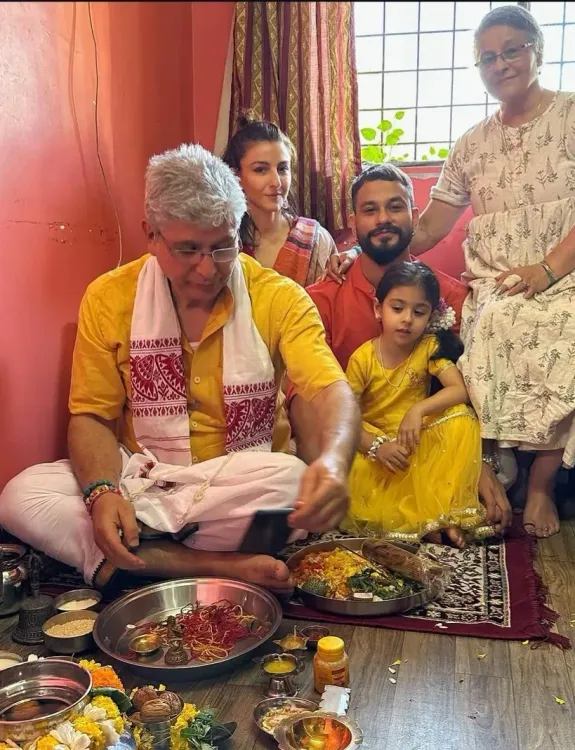
Actor Kunal Kemmu's sister Karishma Kemmu made an emotionally charged return to her family's ancestral home in Srinagar, Kashmir, years after the family was forced to flee the Valley during the Kashmiri Pandit exodus of the early 1990s. She shared the visit in a video on her social media account, walking viewers through the old house alongside her parents.
Walking Through Forgotten Rooms
In the video, Karishma's mother guided the family through each section of the house, pointing out rooms that once held deeply personal memories. 'When we got married, we used to sleep on the upper floor of the house. What we had to leave behind in one night... today, years later, we are walking through the streets of Srinagar and reaching our house,' she recalled.
The family moved from room to room as the mother narrated, 'Dad used to study here... This was your room... We used to sit here... My sister had once fallen from these stairs. Every room is a childhood memory.'
A House Divided, Memories Intact
Karishma revealed that the once-sprawling family property has since been subdivided into smaller rented units. 'This house is now divided into rooms. Each room is someone's home on rent,' she noted, adding that the staircase had no electricity and most rooms remained locked.
In an emotional caption accompanying the post, Karishma wrote in Hindi and English: 'Bahut gayi thodi rahi. 9 seedhiyan thi kabhi, ab sirf 3 reh gayi hain. Zameen badal gayi, ghar badal gaya — par jo yaadein reh gayi thi, woh aaj bhi wahin thi. Saalon baad apna ghar dobara dekhna... alag hi feeling hai. It would have been so much better if it was maintained but ab woh humara toh raha nahi. Every time my parents visit, it's a mixed feeling - most are memories of childhood and some haunting. Kashmiri pandit home, Kashmir.'
A Story That Resonated Beyond One Family
The post drew a strong response, particularly from the Kashmiri Pandit community. Producer and activist Ashok Pandit, himself a Kashmiri, commented: 'I am speechless & numb. This is a story of each & every Kashmiri Pandit. Thank you Karishma for reliving our roots.'
Notably, both Kunal Kemmu and Karishma Kemmu have spoken previously about their Kashmiri roots and the trauma of displacement. Kunal was reportedly born in Srinagar before the family migrated from the Valley during the mass exodus that uprooted hundreds of thousands of Kashmiri Pandits.
The Broader Context of the Kashmiri Pandit Exodus
The displacement of Kashmiri Pandits in the early 1990s remains one of independent India's most contested and painful episodes of forced migration. Hundreds of thousands of families left — or were compelled to leave — the Kashmir Valley within a matter of days or weeks, abandoning homes, property, and generations of roots. Decades on, visits like the one Karishma documented continue to surface the unresolved grief of a community still seeking formal acknowledgement and, in many cases, a path to return.
The Kemmu family's visit, shared publicly on 30 July, has reignited conversation around the lived experience of Kashmiri Pandit families — and what it means to return to a home that is no longer yours.
Point of View
Rooms locked by strangers, a mother narrating her wedding night from a house she no longer owns — these details carry more weight than any policy debate. What is missing from this moment is any institutional response; the visit underscores that for most displaced Kashmiri Pandit families, return remains an emotional exercise, not a practical one. The property question — who owns these homes, what recourse exists, what restitution looks like — remains almost entirely unaddressed in public policy, and viral videos, however moving, are not a substitute for that reckoning.
NationPress
30 Jul 2026
Frequently Asked Questions
Who is Karishma Kemmu and what did she share?
Karishma Kemmu is the sister of actor Kunal Kemmu. On 30 July, she shared a video on social media documenting her family's return to their ancestral Kashmiri Pandit home in Srinagar, which they were forced to abandon during the Kashmiri Pandit exodus of the early 1990s.
What happened to the Kemmu family's Kashmir home?
The family's once-sprawling ancestral property in Srinagar has since been subdivided into smaller rented units. Most rooms remain locked, the staircase has no electricity, and the house is no longer in the family's possession.
Why did the Kemmu family leave Kashmir?
The family left during the mass displacement of Kashmiri Pandits in the early 1990s, when hundreds of thousands of members of the community were forced to flee the Kashmir Valley. Kunal Kemmu was reportedly born in Srinagar before the family migrated.
Who is Ashok Pandit and why did he react to the video?
Ashok Pandit is a film producer and activist who himself hails from Kashmir. He commented on Karishma's post saying he was 'speechless & numb' and described the video as 'a story of each & every Kashmiri Pandit,' reflecting the broader community's identification with the Kemmu family's experience.
What is the significance of the Kashmiri Pandit exodus?
The Kashmiri Pandit exodus of the early 1990s is one of the largest forced migrations in post-independence India, with hundreds of thousands of Pandits leaving — or being compelled to leave — the Kashmir Valley within days or weeks. Decades later, questions of return, property rights, and formal acknowledgement remain largely unresolved.