Mahershala Ali: 2 Oscars don't open doors when roles aren't written for you
Synopsis
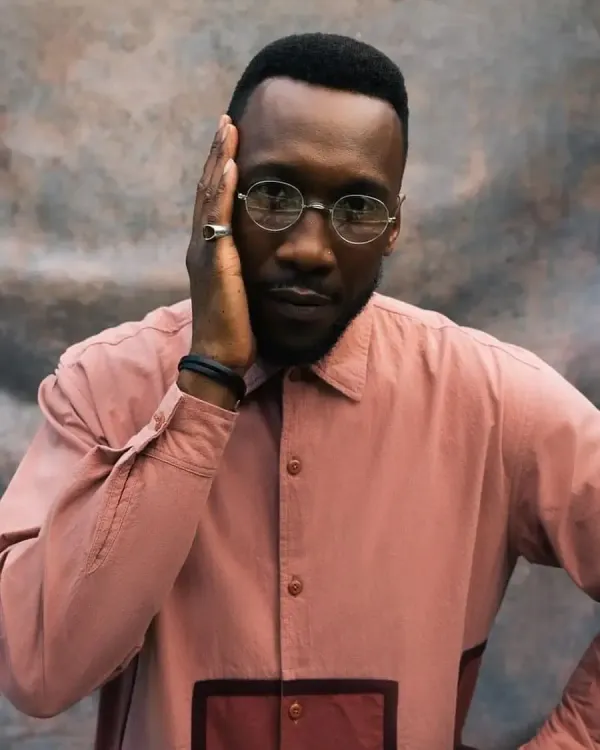
Two-time Oscar winner Mahershala Ali says the awards haven't moved the needle: most greenlit Hollywood projects simply don't have roles written for him. His remarks on the '7PM in Brooklyn' podcast cut to the heart of a long-running debate — that industry recognition and genuine opportunity for Black actors are two very different things.
Key Takeaways
Mahershala Ali holds 2 Academy Awards — for 'Moonlight' and 'Green Book' .
He said the 'vast majority' of greenlit projects have no roles for him, making his Oscars functionally irrelevant to casting opportunities.
Ali stated that even 17 Oscars would not help if writers and studios are not creating projects with a Black actor in mind.
He described Oscar validation for Black actors as 'kind of just talk' that 'doesn't translate to anything real.' Self-producing is an option, but Ali noted it typically takes a minimum of three to five years to bring a project to screen.
Two-time Academy Award winner Mahershala Ali has candidly admitted that his Oscar victories for 'Moonlight' and 'Green Book' have done little to expand the range or volume of roles available to him in Hollywood, pointing to a systemic gap between industry recognition and real opportunity for Black actors.
What Ali Said on the Podcast
Speaking on Carmelo Anthony and Kazeem 'Kaz' Famuyide's podcast '7PM in Brooklyn', Ali turned the question back on his hosts, asking what an Oscar truly means and whether it validates an actor's talent. 'There's more good actors than there is good material,' he said. 'It's not even that all these people are competing for these same spots. It's just that out of all the material made, there's only a handful of them that check certain boxes.'
He went further, stating plainly: 'The vast majority of projects that get greenlit, there are not roles for me in those. You gotta think that way, you know what I mean? So, it doesn't matter if I got 17 Oscars. If someone is not writing something for you or greenlighting something with you in mind, you're like everybody else waiting and looking and searching.'
On Whether Oscars Validate Black Actors
When pressed on whether an Oscar win translates into meaningful validation for Black actors specifically, Ali was direct. 'It's kind of just talk. It doesn't translate to anything real,' he said. He also flagged the risk of being tokenised, adding: 'You don't want to find yourself in a situation where, oh, that's the diversity project. You just want to do great material as a Black person. You're not thinking of yourself as this exotic other, per se. You just are living your life.'
The Self-Production Route and Its Limits
Ali acknowledged that actors can circumvent systemic barriers by producing their own projects, but noted that this path typically takes a minimum of three to five years from conception to screen. The timeline, he suggested, makes it an impractical short-term solution for most working actors.
Why the Remarks Resonate
Ali's remarks land in the context of an ongoing industry conversation about diversity in Hollywood. This is not the first time a Black actor at the top of their craft has drawn the distinction between award recognition and sustained, meaningful employment. Notably, the Academy Awards have faced sustained criticism for years over both representation gaps in nominations and the gap between Oscar wins and career momentum for Black talent. Ali's comments add a first-person account to what has largely been a structural critique.
As Hollywood navigates shifting audience demographics and the streaming era's demand for diverse content, Ali's candid assessment offers a sharp reminder that institutional accolades and genuine systemic change do not always move in step.
Point of View
Yet here is a two-time Oscar winner describing a casting market that largely writes him out before it begins. The structural point is damning: awards celebrate the past; greenlighting decisions shape the future, and those decisions still don't routinely include Black actors at the scripting stage. The 'diversity project' label Ali cautions against is itself a symptom — tokenism dressed as progress. Until the development pipeline changes, the statuettes are, as Ali puts it, just talk.
NationPress
22 Nov 2026
Frequently Asked Questions
What did Mahershala Ali say about his Oscar wins?
Mahershala Ali said his two Oscar wins do not meaningfully expand his career opportunities, because the vast majority of greenlit Hollywood projects do not have roles written for Black actors. He said even 17 Oscars would not help if studios and writers are not creating material with him in mind.
Where did Mahershala Ali make these comments?
Ali made the remarks on Carmelo Anthony and Kazeem 'Kaz' Famuyide's podcast '7PM in Brooklyn.' He was responding to questions about what an Oscar actually means and whether it validates an actor's talent.
Which films did Mahershala Ali win Oscars for?
Mahershala Ali won his first Academy Award for Best Supporting Actor for 'Moonlight' and his second for Best Supporting Actor for 'Green Book.' He is one of only a handful of actors to have won two Oscars for acting.
Does Mahershala Ali think Oscar wins validate Black actors in Hollywood?
No. Ali said that Oscar recognition for Black actors is 'kind of just talk' and 'doesn't translate to anything real.' He also cautioned against the risk of being cast only in what he called 'the diversity project,' arguing that Black actors simply want access to great material, not tokenised roles.
What solution did Mahershala Ali suggest for Black actors facing limited roles?
Ali acknowledged that self-producing original projects is one avenue, but noted it typically requires a minimum of three to five years from development to screen, making it an impractical quick fix for most working actors.