Rasika Dugal on Bollywood's merit gap: 'It hurts a lot when I'm not cast'
Synopsis
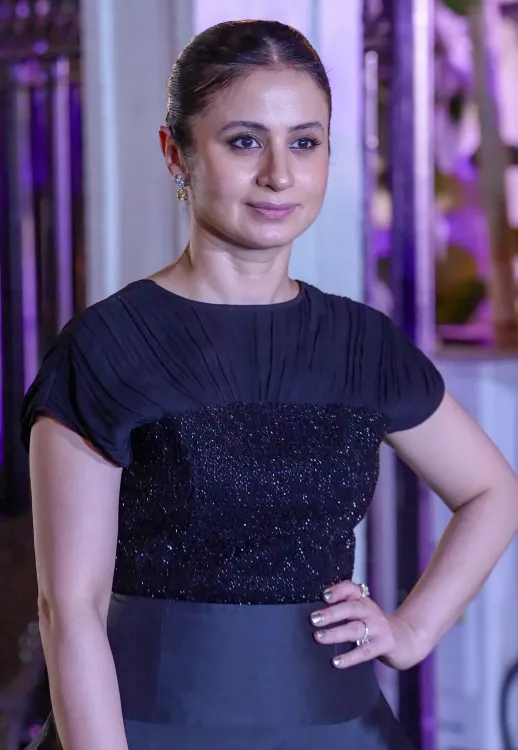
Even critically acclaimed actresses feel the sting of Bollywood's unspoken hierarchy. Rasika Dugal — riding high on Mirzapur 2 — has admitted that talent and merit rarely determine who gets cast, and that rejection 'hurts a lot'. It's a rare moment of honesty about the gap between critical praise and commercial opportunity in Indian cinema.
Key Takeaways
Rasika Dugal says talent and merit do not always get equal importance in the film industry.
She admitted it 'hurts a lot' when she is not cast in projects, calling it 'part of the game.' Dugal noted that casting is often driven by how commercially viable an actor is perceived to be by decision-makers.
On typecasting and perception, she said such factors are largely outside an actor's control.
She is currently receiving praise for her role as Beena Tripathi in Mirzapur 2 , alongside Pankaj Tripathi and Ali Fazal .
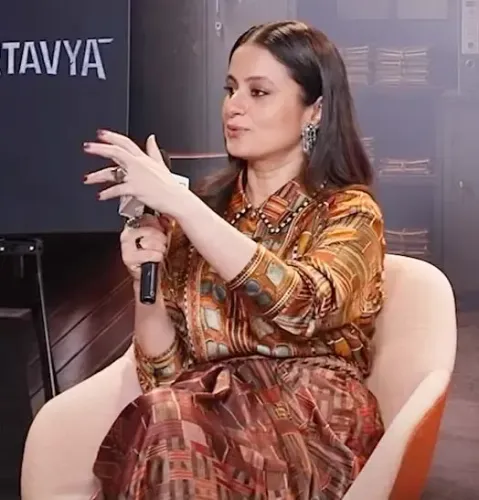
Actress Rasika Dugal has candidly spoken about the uneven terrain of the Hindi film industry, acknowledging that talent and merit do not always drive casting decisions — and that being passed over for roles genuinely stings. Her remarks offer a rare, unvarnished look at the pressures facing even critically acclaimed performers in Bollywood.
Talent Alone Is Not Enough
Reflecting on whether the industry operates as a true meritocracy, Rasika was direct. "We live our lives. Talent and merit never get equal importance. We know that," she said. She added that the film business, much like the broader world, is shaped by forces beyond artistic ability alone: "The world is not a fair place to live in. Sometimes business things are more important, and sometimes artistic things are more important."
The actress, who has earned wide recognition for her work across films and streaming platforms, noted that casting is ultimately tied to how decision-makers perceive an actor's commercial viability. "When your work increases and people feel that you are viable in their perception, they cast you. When that does not happen, they do not cast you," she explained.
The Pain of Being Passed Over
Rasika did not shy away from acknowledging the emotional weight of rejection. "It hurts a lot when casting does not happen. But this is a part of the game and a part of the business, and you have to take it on the chin," she said. Her candour stands in contrast to the often carefully managed public personas of mainstream stars, and signals a broader frustration that many working actors — even celebrated ones — rarely voice openly.
Perceptions, Typecasting and Control
On whether industry and audience perceptions can trap an actor in a particular image or genre, Rasika acknowledged the risk but pointed to the limits of individual agency. "People have perceptions, and this is also about business perception. But who perceives you and at what time? Is it in your hands?" she said. Her answer was pragmatic: "I feel that even if those things affect my work, I have no control over them. So, I try not to think about these things and do my work as honestly as I can. The rest will follow."
This reflects a wider pattern in the Indian entertainment industry, where actors — particularly those celebrated on the independent and streaming circuit — frequently find the leap to mainstream theatrical stardom elusive, regardless of their critical standing.
Mirzapur Success and What Comes Next
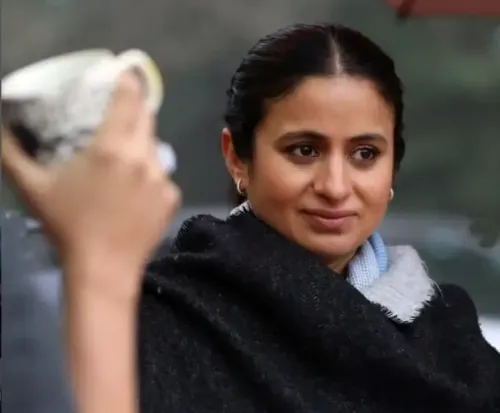
The conversation comes as Rasika basks in the success of Mirzapur 2, in which she plays Beena Tripathi, a layered and memorable character. The series also stars Pankaj Tripathi, Ali Fazal, Shriya Pilgaonkar, and Kulbhushan Kharbanda, among others, and has drawn strong audience response since its release. Whether the show's success translates into expanded mainstream opportunities for Rasika remains to be seen — but her own framing suggests she is not banking on industry validation alone to define her trajectory.
Point of View
But Dugal's words suggest the old hierarchies of perceived viability have simply migrated to new platforms. The industry rarely hears this kind of honesty from actors who are still actively working and hoping for more roles — which makes her willingness to say it publicly all the more telling.
NationPress
14 Sept 2026
Frequently Asked Questions
What did Rasika Dugal say about talent and merit in Bollywood?
Rasika Dugal said that talent and merit never get equal importance in the film industry, calling it a reflection of how the broader world operates. She noted that both business and artistic considerations influence who gets cast, and that commercial viability often matters as much as ability.
Did Rasika Dugal admit to being hurt when she doesn't get cast?
Yes. Rasika said 'it hurts a lot when casting does not happen,' but added that it is part of the game and part of the business, and that one has to take it on the chin. It was a notably candid admission from an actress who continues to work actively in the industry.
What is Rasika Dugal's role in Mirzapur 2?
Rasika Dugal plays Beena Tripathi in Mirzapur 2, a character she has been widely praised for. The series also stars Pankaj Tripathi, Ali Fazal, Shriya Pilgaonkar, and Kulbhushan Kharbanda, among others.
What did Rasika Dugal say about typecasting and industry perceptions?
Rasika acknowledged that perceptions — both from audiences and within the industry — can affect an actor's career, but said these are largely outside an actor's control. She said she tries not to dwell on them and instead focuses on working as honestly as she can.
Why are Rasika Dugal's comments significant?
Her remarks are significant because they come from a critically acclaimed actress who is still navigating the industry's mainstream, making her candour about casting bias and the limits of meritocracy unusually frank and credible. It reflects a tension many working actors experience but rarely articulate publicly.