Rukmini Vasanth deepfake case: Accused confess to 'sadistic pleasure' motive

Synopsis
Three well-educated professionals — a nursing graduate, a software engineer earning ₹20 lakh a year, and a Chartered Accountant — were arrested for creating AI deepfake videos of actress Rukmini Vasanth purely for 'sadistic pleasure'. The case exposes how deepfake abuse is no longer a fringe problem: it is being driven by technically skilled, financially stable individuals with no apparent financial motive beyond notoriety.
Key Takeaways
Three men — Ravikumar (Bagalkot), Ranjith Kumar (Bengaluru), and Chandrakanth (Thirthahalli) — have been arrested for circulating AI deepfake content of actress Rukmini Vasanth .
All three allegedly confessed to creating and uploading the content for sadistic pleasure ; all are described by police as well-educated and professionally employed.
Ranjith Kumar is a software professional with an annual salary of approximately ₹20 lakh ; Chandrakanth is a Chartered Accountant .
Police seized three high-end mobile phones and traced the accused via URL IDs after approaching Meta for account data.
Action has been taken against 29 social media accounts — 9 Instagram , 14 X , and 6 Facebook pages.
The case is registered under the IT Act and multiple sections of the Bharatiya Nyaya Sanhita (BNS) ; all accused are in judicial custody .
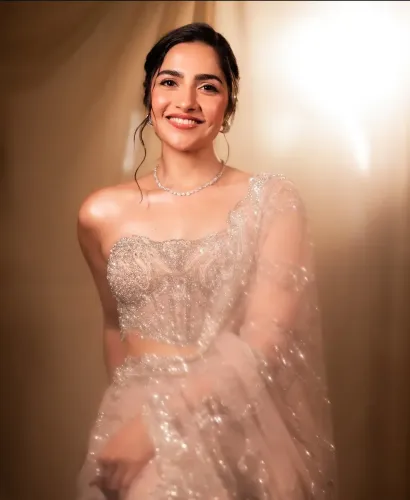
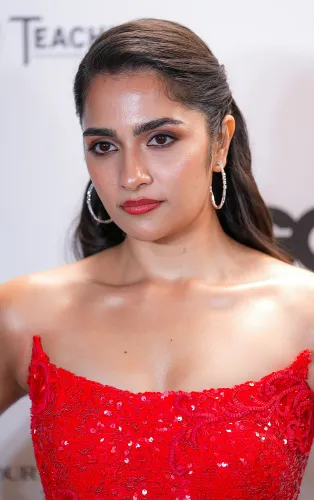
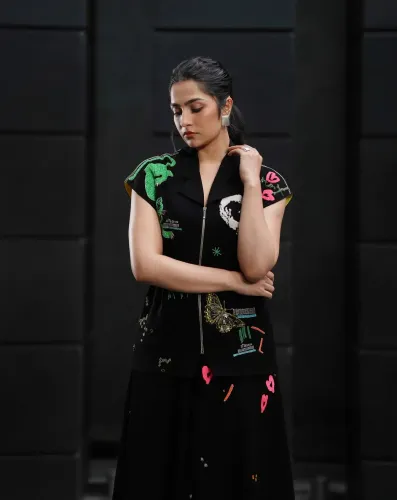
Three men arrested for creating and circulating AI-generated deepfake photographs and videos of Kannada actress Rukmini Vasanth — known for her upcoming role in Kantara: Chapter 2 — have allegedly confessed to committing the act for sadistic pleasure, Bengaluru police said on Saturday, 20 June. All three accused come from well-educated professional backgrounds, authorities noted.
Who the Accused Are
The three men have been identified as Ravikumar, 25, from Bagalkot; Ranjith Kumar, 25, from Bengaluru; and Chandrakanth, 33, from Thirthahalli. Police have seized three high-end mobile phones allegedly used to create and distribute the fabricated content.
Ravikumar holds a B.Sc. in Nursing and reportedly ran a recently monetised YouTube channel. Investigators allege he sought to boost viewership and ad revenue by uploading deepfake videos of actresses. Ranjith Kumar is a software professional drawing an annual salary of approximately ₹20 lakh, according to police, and allegedly confessed to creating and uploading the content for amusement and sadistic gratification. Chandrakanth is a Chartered Accountant (CA) employed with a reputed firm on a lucrative package; he too allegedly confessed to uploading obscene deepfake videos of actresses for sadistic pleasure.
How the Accused Were Traced
Actress Rukmini Vasanth had filed a complaint with the Bengaluru Cyber Crime Police, identifying 29 social media accounts — comprising nine Instagram accounts, 14 X accounts, and six Facebook pages — through which the morphed content was circulated. Investigators found these accounts were registered with false addresses.
Cybercrime police approached Meta for details including original URL IDs and account-linked information. After obtaining those details, investigators traced the suspects through the URL IDs associated with the accounts. During interrogation, the accused allegedly admitted to using artificial intelligence (AI) tools to superimpose the actress's face onto other images to generate the fake content.
Legal Action and Charges
A case has been registered under Sections 66C and 66D of the Information Technology Act, and Sections 75(3), 79, 336, 356, 351, 352, and 294 of the Bharatiya Nyaya Sanhita (BNS). The three accused have been produced before a court and remanded to judicial custody. Further investigation is underway.
What the Actress Said
Rukmini Vasanth publicly addressed the incident via her Instagram account, stating: My team and I have come across certain AI-generated images being circulated online claiming to be me. I want to state clearly that these images are entirely fake and fabricated. The creation and circulation of such manipulated content is deeply irresponsible and a serious violation of privacy.
Speaking at a private event in Bengaluru, she also said: AI should be used for good purposes and not for harmful activities. Not just actresses, but many other women are also facing problems because of this. I believe the police will take action in this matter.
She urged the public not to share fabricated content on social media.
Rukmini Vasanth is the daughter of the late Colonel Vasanth Venugopal of the Indian Army, who was posthumously awarded the Ashoka Chakra — India's highest peacetime military decoration — for his bravery while fighting militants in the Uri sector of Jammu and Kashmir in 2007. Her mother, Subhashini Vasanth, is an acclaimed Bharatanatyam dancer.
As the investigation continues, the case has reignited a national conversation about the weaponisation of AI deepfake technology against women in public life.
Point of View
A ₹20 lakh-a-year software engineer, and a Chartered Accountant — these are not marginal actors; they are mainstream professionals with the technical literacy to weaponise AI and the social standing to evade suspicion. The 'sadistic pleasure' motive, as stated by police, strips away any economic rationale, making this harder to deter through financial disincentives alone. India's legal framework — the IT Act and the BNS — is being tested in real time, but the deeper question is whether deterrence can keep pace with the democratisation of deepfake tools that require no specialised hardware and are available to anyone with a smartphone.
NationPress
19 Sept 2026
Frequently Asked Questions
Who are the three men arrested in the Rukmini Vasanth deepfake case?
The three accused are Ravikumar (25) from Bagalkot, a B.Sc. Nursing graduate who ran a monetised YouTube channel; Ranjith Kumar (25) from Bengaluru, a software professional earning around ₹20 lakh annually; and Chandrakanth (33) from Thirthahalli, a Chartered Accountant employed with a reputed firm. All three have been remanded to judicial custody.
Why did the accused create deepfake videos of Rukmini Vasanth?
According to police, the accused allegedly confessed to creating and circulating the AI-generated deepfake content for sadistic pleasure. In Ravikumar's case, investigators also said he sought to attract views and monetise his YouTube channel through the content.
How did Bengaluru police trace the accused?
Police approached Meta seeking the original URL IDs and account details linked to the fake social media accounts identified in the actress's complaint. After finding that the registered addresses were false, investigators traced the suspects through the URL IDs associated with those accounts.
What legal sections have been invoked in the case?
The case has been registered under Sections 66C and 66D of the Information Technology Act, and Sections 75(3), 79, 336, 356, 351, 352, and 294 of the Bharatiya Nyaya Sanhita (BNS). Action has also been initiated against 29 social media accounts across Instagram, X, and Facebook.
Who is actress Rukmini Vasanth?
Rukmini Vasanth is a Kannada actress who has gained national attention for her role in the upcoming film Kantara: Chapter 2. She is the daughter of the late Colonel Vasanth Venugopal, who was posthumously awarded the Ashoka Chakra — India's highest peacetime military honour — for his bravery in the Uri sector of Jammu and Kashmir in 2007.