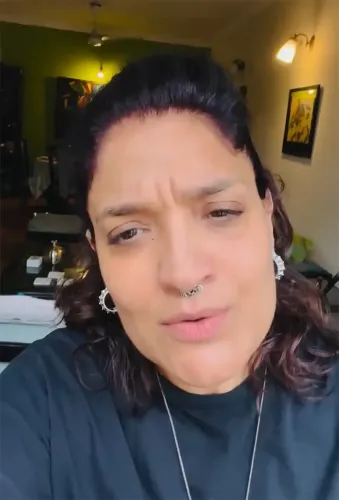
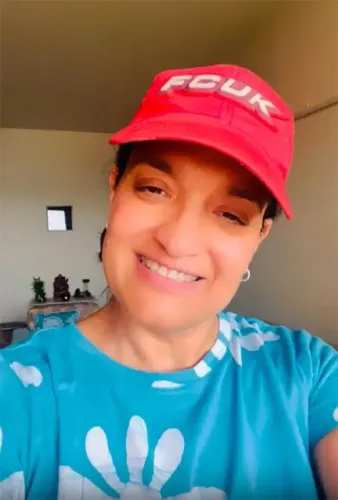
Sandhya Mridul calls out class discrimination after domestic help denied salon haircut
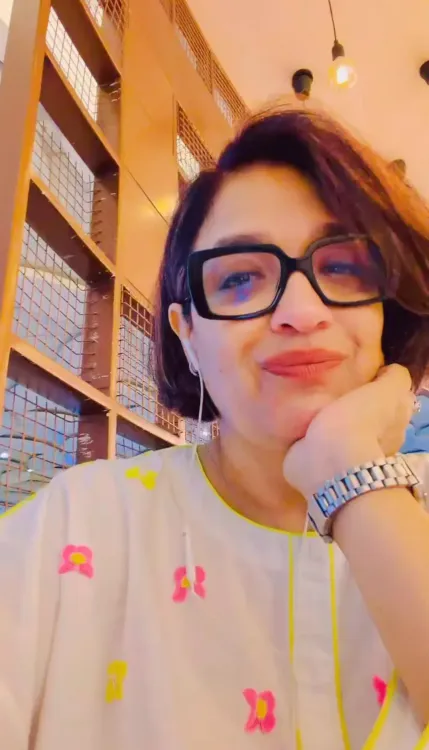
Synopsis
Actress Sandhya Mridul's account of her domestic help being turned away from two salons struck a nerve online — not just because of the incident itself, but because she pointed the finger at consumers who quietly demand such exclusions. Her call to action has broadened a conversation about everyday class discrimination in urban India.
Key Takeaways
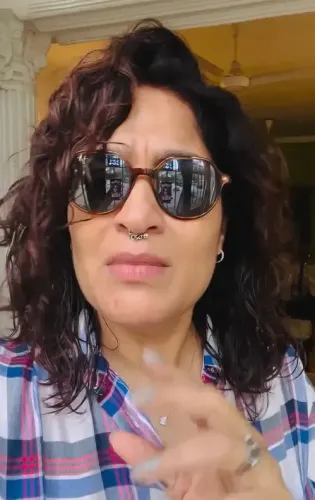
Sandhya Mridul posted a video on 9 June alleging her family's domestic help was refused a haircut at two salons in Mumbai .
Her mother reportedly pleaded with staff and offered to pay extra before the second salon agreed to provide the service.
Mridul linked the incident to a broader pattern of discrimination, including restrictions on domestic workers using residential building lifts.
She argued that consumers who demand such exclusions bear as much responsibility as the establishments that enforce them.
The actress vowed to take direct action on her return to the city and called on others to speak up against such practices.
Actress Sandhya Mridul has ignited a sharp public debate on class discrimination and entitlement after revealing that her family's domestic help was allegedly refused a haircut at two luxury salons in Mumbai. The incident, which she described as deeply upsetting, came to light after she posted a video on social media on 9 June recounting what had happened.
What Happened at the Salons
According to Mridul, her mother had accompanied the family's young domestic worker to a salon for a routine haircut, only to be turned away. The pair then tried a second salon, which also refused to provide the service. Mridul said her mother — whom she described as a gentle, non-confrontational person — was forced to plead with staff at the second establishment, even offering to pay extra out of distress.
'Something happened yesterday that has really pissed me off. My mom took our little girl for a haircut to a salon and they refused to cut her hair. Then she had to take her to another salon who also refused to cut her hair. I mean, what time are we living in?' she said in the video.
The second salon eventually agreed to provide the service, but only after considerable persuasion. Mridul said the young domestic worker was left embarrassed and hurt by the repeated rejections.
A Pattern Bigger Than One Haircut
Mridul framed the incident as symptomatic of a wider, systemic problem affecting domestic workers, delivery personnel, and other support staff across urban India. She pointed to the practice of restricting domestic help from using residential building lifts as another example of the same entitlement.
'There are buildings where they say help can't come into this lift. I mean, who are you? You're so entitled. What nonsense is this? This is really hurtful,' she said.
Notably, the actress also turned the lens inward, arguing that individual consumers bear responsibility for perpetuating such norms. 'We can't just blame these salons and the people guarding the lift. It's us, many of us, who are asking for this, who are saying please don't allow these people into salons, please don't allow these people into elevators,' she added.
Public Response and Follow-Up
The videos drew a strong response online, with a large number of viewers expressing agreement with Mridul's position. In a follow-up post, the actress thanked supporters and said the scale of the reaction itself signalled a readiness for change. 'The fact that so many of you agree that this was wrong and that it resonated with you, that's enough to start trying to make a change,' she said.
Mridul also addressed criticism over her use of the phrase 'our girl' when referring to the domestic worker, clarifying it was a term of affection and not ownership.
What the Actress Plans Next
Mridul said she intends to take direct action once she returns to the city where her mother lives. 'The fact of the matter is that I am addressing it and I will make sure that something changes with this situation. Once I'm back in town to where my mother lives, I will be taking action,' she said. She also issued a broader call for people to speak up against discriminatory restrictions imposed on domestic workers and service staff.
Point of View
Yet the social contract governing that labour remains largely unexamined. Whether one actress's viral moment translates into any durable norm shift depends on whether the outrage outlasts the news cycle — and whether the establishments involved face any accountability at all.
NationPress
24 Oct 2026
Frequently Asked Questions
What incident did Sandhya Mridul describe in her video?
Mridul alleged that her family's domestic help was refused a haircut at two salons in Mumbai. Her mother had to plead with staff at the second salon, even offering to pay extra, before the service was eventually provided.
Why did Mridul say salons and buildings are not solely to blame?
She argued that many consumers actively request that domestic workers and service staff be excluded from salons and residential lifts, making them equally responsible for perpetuating the discrimination.
What was the public reaction to her videos?
The videos drew widespread agreement online. In a follow-up post, Mridul said the scale of the supportive response showed that many people recognised the behaviour as unacceptable and that change was possible.
What action has Sandhya Mridul promised to take?
She said she will take direct action regarding the specific incident once she returns to the city where her mother lives, without specifying further details. She also called on the public to speak up more broadly against such discrimination.
Who is Sandhya Mridul?
Sandhya Mridul is an Indian actress known for her work in Hindi films and web series. She has previously been vocal on social issues and used her platform to address questions of gender and class.