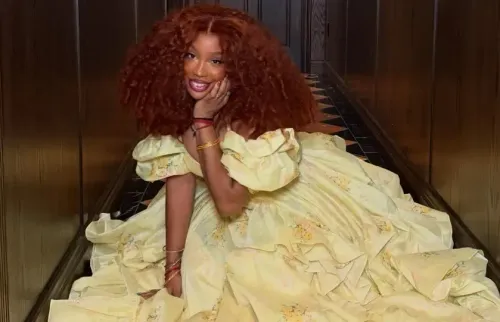
SZA slams AI after 238 of her songs used to train music models
Synopsis
SZA discovered that 238 of her songs — some potentially unreleased — were used to train AI music models without her permission. Her unfiltered Instagram outburst on 23 June has put a celebrity face on one of the music industry's most urgent legal crises: the unconsented scraping of artist catalogues by AI companies.
Key Takeaways
SZA revealed on 23 June that 238 of her songs were used to train AI music models without her consent.
She believes some of the scraped material includes unreleased tracks , raising serious intellectual property concerns.
The artist posted a furious statement on Instagram Stories , condemning both AI developers and musicians who support the practice.
SZA has previously said she feels 'at war' with AI and has argued the technology disproportionately harms Black artists .
Her disclosure is part of a broader wave of artists discovering their catalogues in AI training datasets, with no comprehensive regulation yet in place in the United States .
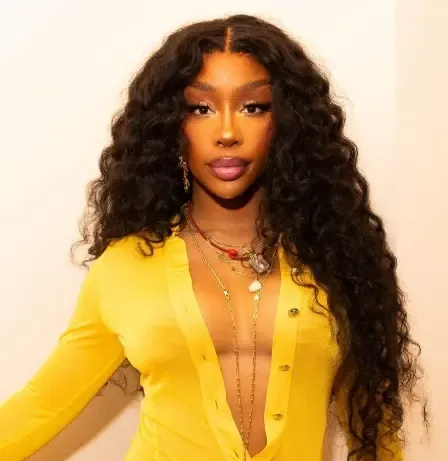
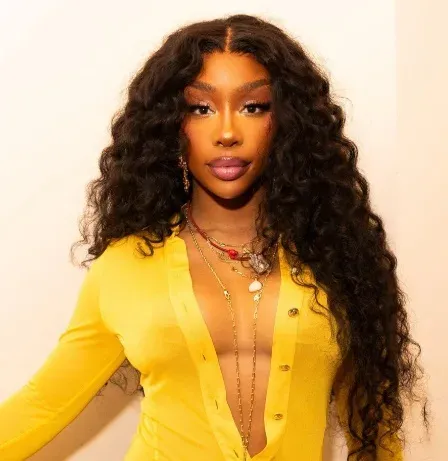
Grammy-winning R&B artist SZA has publicly condemned the use of her music to train artificial intelligence models, revealing on 23 June that at least 238 of her songs — including what she believes are unreleased tracks — were scraped without her consent. The disclosure has reignited a fierce debate over AI's unchecked appetite for copyrighted creative work.
SZA's Reaction
The singer shared her outrage via the Stories section of her Instagram, writing: “(Just) checked and music AI has trained off 238 of my songs. I’m certain some are unreleased. If you’re a musician and you support this degenerate s***? You’re disgusting and there’s NOTHING YOU COULD EVER SAY TO ME TO MAKE THIS OKAY. I hope u have the life u deserve.”
The post was unfiltered and unambiguous — a direct challenge to both AI developers and any artist who endorses the practice. SZA had previously stated she feels “at war” with the technology, and has argued that AI poses a disproportionate threat to Black artists in particular.
Why Unreleased Material Raises the Stakes
The inclusion of potentially unreleased songs amplifies the legal and ethical dimensions of the dispute. Unreleased recordings carry distinct intellectual property protections, and their use in training datasets — without licensing agreements — could expose AI companies to significant legal liability. This is not an isolated case; several major artists have flagged similar concerns in recent months, making SZA's disclosure part of a broader pattern of musicians discovering their catalogues in AI training sets.
AI and the Music Industry
SZA's anger reflects a growing crisis in the creative industry. AI music-generation tools have proliferated rapidly, with many trained on vast libraries of existing recordings, often without artist knowledge or compensation. Critics argue that this constitutes large-scale intellectual property theft dressed up as technological progress. The music industry has begun pushing back through legal channels, though comprehensive regulation remains absent in most jurisdictions, including the United States.
Who Is SZA
SZA — born Solána Imani Rowe — is one of the defining voices of contemporary R&B, known for blending neo-soul, alternative R&B, and hip-hop influences with brutally honest lyricism. Her debut album Ctrl became a cultural landmark, and her follow-up SOS dominated global charts, cementing her status as one of the most critically acclaimed and commercially successful artists of her generation. She is also known for 'All The Stars', her collaboration with Kendrick Lamar.
As AI regulation continues to lag behind the technology's capabilities, artists like SZA are increasingly taking their grievances public — and the pressure on lawmakers and platforms to act is only mounting.
Point of View
Treating artist catalogues as free infrastructure. The inclusion of unreleased material — if verified — would be a significant escalation, potentially giving SZA and her label standing for a stronger legal claim than most artists have had so far. The disproportionate-impact argument she raises regarding Black artists also deserves more scrutiny than it has received; much of the R&B and hip-hop that makes AI-generated music sound credible was built on decades of Black creative labour, and the absence of compensation compounds a historical pattern the industry has never fully reckoned with.
NationPress
23 Jun 2026
Frequently Asked Questions
What did SZA say about AI using her music?
SZA posted on Instagram Stories on 23 June saying that AI had trained on 238 of her songs, including what she believes are unreleased tracks. She called the practice 'degenerate' and said there was nothing anyone could say to make it acceptable to her.
Which AI company used SZA's songs?
SZA did not name a specific AI company in her Instagram post. She stated that 'music AI' had trained on her catalogue, but did not identify the platform or developer responsible.
Are unreleased songs protected from AI training?
Unreleased recordings carry distinct intellectual property protections, and their use in AI training datasets without licensing agreements could expose developers to significant legal liability. No court has yet ruled definitively on this specific issue in the context of AI training.
Why does SZA say AI is especially harmful to Black artists?
SZA has previously argued that AI poses a disproportionate threat to Black artists, whose genres — particularly R&B and hip-hop — form a large share of the music AI models are trained on, often without consent or compensation to the original creators.
What is the broader context of AI and music copyright?
Multiple artists have flagged similar concerns in recent months, discovering their catalogues in AI training sets without permission. The music industry has begun pursuing legal action, but comprehensive regulation remains absent in most major jurisdictions, leaving artists with limited immediate recourse.