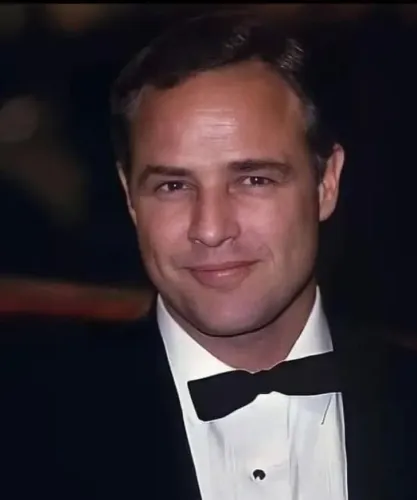
Marlon Brando on America's binary thinking: 'Who wins, who loses'

Synopsis
Marlon Brando, the two-time Oscar winner, didn't just reject the 'greatest actor' label — he used it to indict what he called a cultural sickness in America: the compulsion to rank everything as best or worst, winner or loser. Decades on, the resurfaced clip feels more relevant than ever in the age of social media tier lists and viral rankings.
Key Takeaways
A resurfaced clip shows Marlon Brando rejecting the label of 'greatest actor ever' and criticising America's binary, win-lose thinking .
Brando called it 'a part of the sickness in America' to always think in 'extreme terms' of best and worst.
He studied under Stella Adler and is credited with transforming naturalistic screen acting through method techniques.
Brando won two Academy Awards for Best Actor — for On the Waterfront and The Godfather .
His other major films include A Streetcar Named Desire , Apocalypse Now , and Last Tango in Paris .
Marlon Brando, widely regarded as one of the most transformative figures in cinema history, once pushed back sharply against the label of 'greatest actor ever' — and used the moment to deliver a broader critique of what he called a cultural sickness in America. A resurfaced video clip of the late legend has renewed attention to his candid views on how the country frames achievement in relentlessly competitive, binary terms.
What Brando Said
When asked about being called the greatest actor, Brando deflected with characteristic wit — and then turned the question into a cultural observation. 'Tim's (his dog) the greatest actor ever. He pretends he loves me and wants something to eat. Get out of here. No, it's true. What's the difference?' he said.
He then went further: 'See, that's a part of the sickness in America, that you have to think in terms of who wins, who loses, who's good, who's bad, who's best, who's worst. We always think in those terms, in the extreme terms.'
Brando added, 'I don't like to think that way. Everybody had their own value in a different way, and I don't like to think who was the best at this. What's the point of it?'
Why the Clip Has Resurfaced
The old interview footage has recirculated widely online, drawing renewed engagement from film enthusiasts and cultural commentators. Brando's remarks resonate in an era when social media ranking culture — best-of lists, tier rankings, and viral comparisons — has intensified the very binary thinking he criticised decades ago. Notably, the clip surfaces periodically whenever debates about the 'greatest actor of all time' trend online.
Brando's Legacy in Cinema
Marlon Brando studied under acting teacher Stella Adler and became closely associated with method acting techniques that fundamentally altered how screen performances were understood and evaluated. His naturalistic approach broke from the theatrical conventions dominant at the time.
He earned landmark recognition for his roles in A Streetcar Named Desire, On the Waterfront, and The Godfather, and also appeared in Apocalypse Now and Last Tango in Paris. He won two Academy Awards for Best Actor — for On the Waterfront and The Godfather — making him one of the most decorated performers in the history of the awards.
The Contradiction at the Heart of His Career
There is an irony that Brando himself might have appreciated: the man who rejected the idea of ranking greatness is, by wide consensus, ranked among the greatest. His resistance to the label did not diminish it — if anything, it deepened the mystique. The clip serves as a reminder that Brando's influence extended beyond performance craft into a more philosophical engagement with fame, competition, and cultural values.
Point of View
Turning every art form into a leaderboard. The irony is that Brando, who resisted the greatest-of-all-time tag most vocally, remains the name most cited when the debate resurfaces. His rejection of the binary became, itself, a defining part of his legend.
NationPress
26 Jun 2026
Frequently Asked Questions
What did Marlon Brando say about being called the greatest actor?
Brando dismissed the label, joking that his dog Tim was the greatest actor for pretending to love him when he wanted food. He then argued that the obsession with ranking people as best or worst was 'a part of the sickness in America,' and said he preferred to see everyone as having their own distinct value.
Why has the Marlon Brando clip resurfaced?
An old interview clip of Brando critiquing America's binary, win-lose thinking has recirculated online, drawing renewed interest from film fans and cultural commentators. It tends to resurface whenever debates about the greatest actor of all time trend on the internet.
What is Marlon Brando's legacy in cinema?
Brando is widely considered one of the most influential performers in film history. He studied under Stella Adler and pioneered naturalistic, method-influenced screen acting. He won two Academy Awards for Best Actor for On the Waterfront and The Godfather.
Which films is Marlon Brando most known for?
Brando's most celebrated roles include A Streetcar Named Desire, On the Waterfront, The Godfather, Apocalypse Now, and Last Tango in Paris. His performances in these films are considered benchmarks of screen acting.
What did Brando mean by 'thinking in binary'?
Brando used the phrase to describe what he saw as an American cultural habit of framing everything in extreme, oppositional terms — who wins versus who loses, who is best versus who is worst. He argued this framework diminishes individual value and misses the point of artistic achievement.