Goyal meets Rolls-Royce CTO, flags India-UK CETA opportunity
Synopsis
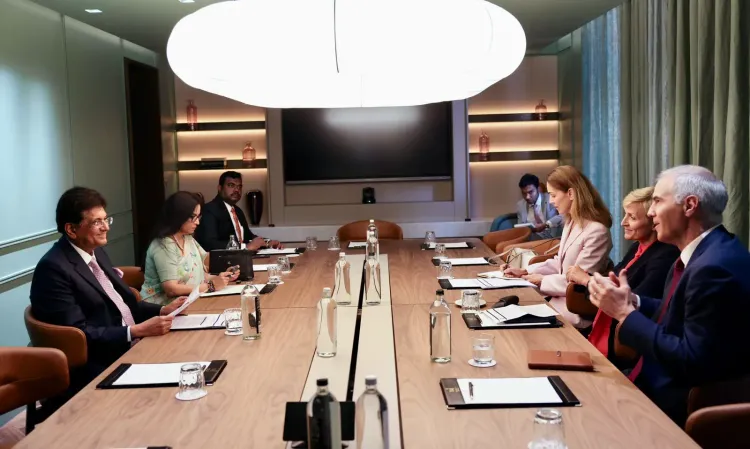
Union Commerce Minister Piyush Goyal met Rolls-Royce Chief Transformation Officer Nicola Grady-Smith on 27 June 2026, discussing India's rise as an advanced manufacturing hub and the potential of the India-UK CETA to deepen investment, technology partnerships, and resilient supply chains.
Key Takeaways
Piyush Goyal held a meeting with Rolls-Royce CTO Nicola Grady-Smith on 27 June 2026 to discuss bilateral investment and technology collaboration.
India was presented as a 'rapidly emerging global hub for advanced manufacturing and engineering.' The India-UK CETA , under negotiation since January 2022 , was discussed as a vehicle to deepen investment and accelerate tech partnerships.
Resilient supply-chain building benefiting both India and the UK was a key agenda point.
India's PLI schemes (launched from 2020 ) provide an existing policy foundation for aerospace and advanced manufacturing FDI.
The meeting reflects convergence between India's Atmanirbhar manufacturing goals and UK commercial interests in the Indo-Pacific.
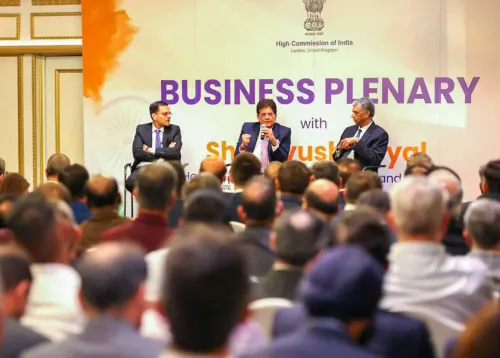
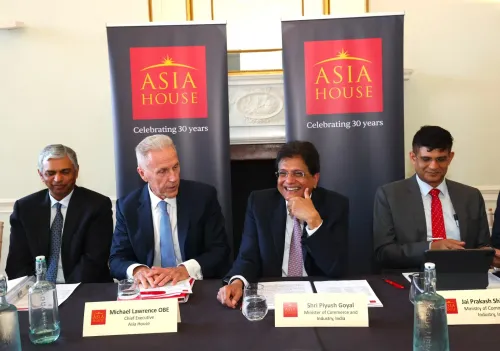
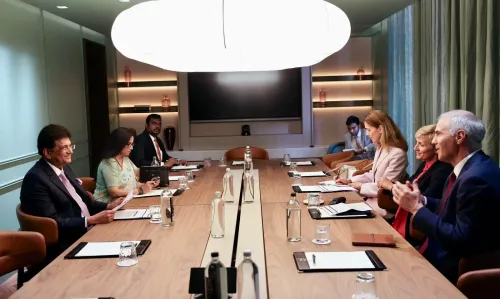
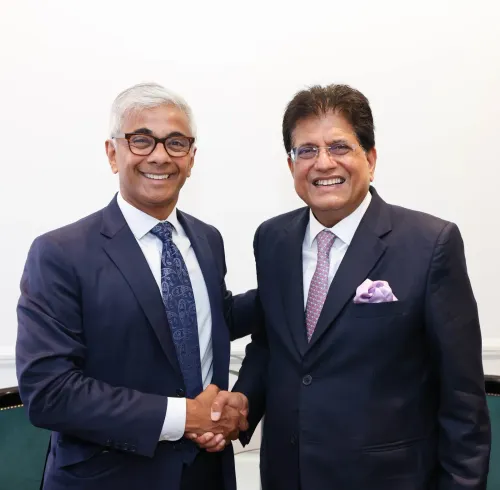
Union Commerce and Industry Minister Piyush Goyal met a delegation from Rolls-Royce led by Ms. Nicola Grady-Smith, Chief Transformation Officer, on Friday, 27 June 2026, to explore avenues for deepening bilateral investment and technology partnerships between India and the United Kingdom.
Context
The meeting centred on India's growing stature as a destination for high-value engineering and advanced manufacturing. Minister Goyal underscored that India is 'rapidly emerging as a global hub for advanced manufacturing and engineering,' a framing that aligns with New Delhi's sustained push to attract aerospace and defence supply-chain investment.
Rolls-Royce, the British multinational specialising in aircraft engines and aerospace systems, has maintained engineering operations in India for several years. The visit by its Chief Transformation Officer signals the company's interest in evaluating a deeper operational footprint in the country.
Policy Backdrop
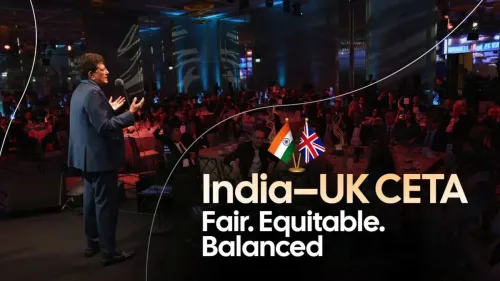
A central theme of the discussion was the India-UK Comprehensive Economic and Trade Agreement (CETA), the bilateral trade pact whose negotiations were formally launched in January 2022 following the United Kingdom's exit from the European Union. The minister described the agreement as an opportunity to 'deepen investments, accelerate tech partnerships, and build resilient supply chains that benefit both India and the UK.'
India's Production Linked Incentive (PLI) schemes, rolled out from 2020 onwards, have already begun attracting investment in aerospace component manufacturing. The CETA, if concluded, is expected to provide a formal institutional framework that could lower tariff and non-tariff barriers, making India a more competitive base for companies such as Rolls-Royce to source components and co-develop technology.
Post-Brexit Britain has made new trade agreements with large emerging economies a foreign-economic priority, and India — with its expanding engineering talent pool and domestic aviation market — ranks among its most consequential targets.
Stakeholders and Impact
For Indian engineering firms, a deepened Rolls-Royce partnership could open pathways into global aerospace supply chains, providing technology transfer and quality benchmarks that raise domestic manufacturing standards. Aerospace manufacturers on both sides stand to gain from supply-chain diversification at a time when geopolitical disruptions have made single-source dependencies a strategic liability.
UK investors in the aerospace and advanced engineering sectors are closely watching CETA progress, as the agreement could offer preferential market access and intellectual-property protections that make long-term R&D collaboration more viable. The meeting between Goyal and the Rolls-Royce delegation is a signal that high-level commercial diplomacy is keeping pace with the formal negotiation track.
What's Next
Attention will now turn to the next formal round of India-UK CETA negotiations and whether the Rolls-Royce engagement translates into concrete investment commitments — such as expanded Indian facilities or joint research-and-development projects. Minister Goyal's Commerce Ministry is expected to continue parallel outreach with other UK and European engineering majors as part of India's broader strategy to position itself as the preferred alternative manufacturing hub in the Indo-Pacific region.
Point of View
Goyal is signalling that New Delhi views the agreement not merely as a trade text but as a lever for attracting premium engineering FDI. For Rolls-Royce, the visit by its Chief Transformation Officer — rather than a sales or government-affairs executive — suggests the company is evaluating structural operational changes in India, not just market access. The broader pattern is clear: post-Brexit Britain and post-PLI India are finding each other's economic interests increasingly complementary, and aerospace is emerging as a flagship sector for that convergence.
NationPress
25 Sept 2026
Frequently Asked Questions
What is the India-UK CETA?
The India-UK Comprehensive Economic and Trade Agreement (CETA) is a proposed bilateral free-trade deal between India and the United Kingdom, negotiations for which were formally launched in January 2022 after Brexit. It aims to liberalise trade, investment, and technology flows between the two countries.
Why did Piyush Goyal meet Rolls-Royce?
Union Commerce and Industry Minister Piyush Goyal met a Rolls-Royce delegation led by Chief Transformation Officer Nicola Grady-Smith on 27 June 2026 to discuss India's advanced manufacturing potential and how the India-UK CETA could deepen investment and technology partnerships.
What is Rolls-Royce's presence in India?
Rolls-Royce is a British aerospace and defence company specialising in aircraft engines that has maintained engineering operations in India. The company is exploring deeper investment in India as the country positions itself as a global advanced manufacturing hub.
How do India's PLI schemes relate to aerospace investment?
India's Production Linked Incentive (PLI) schemes, rolled out from 2020 onwards, offer financial incentives to manufacturers in sectors including aerospace components, making India a more attractive destination for companies like Rolls-Royce to establish or expand supply-chain operations.
What could the India-UK CETA mean for Indian engineering firms?
A concluded India-UK CETA could lower tariff and non-tariff barriers, enabling Indian engineering firms to integrate more deeply into global aerospace supply chains, access UK technology, and benefit from preferential trade terms that make joint R&D collaboration more viable.