Dengue cases in West Bengal cross 4,500 this monsoon, 500 new in 7 days
Synopsis
West Bengal's dengue tally has crossed 4,500 this monsoon — with 500 new cases in just seven days — and officials say every figure is fully authenticated, ending years of suspected underreporting under the 'unknown fever' label. Murshidabad alone accounts for nearly one in five cases statewide, signalling a sharp geographic concentration that authorities must urgently address before the monsoon peaks.
Key Takeaways
West Bengal recorded more than 500 new dengue cases in the seven days ending 7 September , per the state Health Department .
The state's cumulative dengue tally for the current monsoon has crossed 4,500 , up from 3,966 as of 31 August .
Murshidabad is the worst-hit district, accounting for 96 of the latest weekly cases and 870 of the year's total.
Kolkata ranks second with 402 cumulative cases and 62 new infections in the past week.
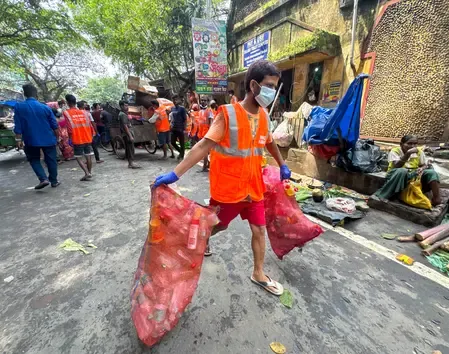
A door-to-door surveillance drive was launched after a dengue SOP was issued on 2 September .
Officials say this year's figures are fully authentic, ending the earlier practice of classifying dengue as 'unknown fever.'
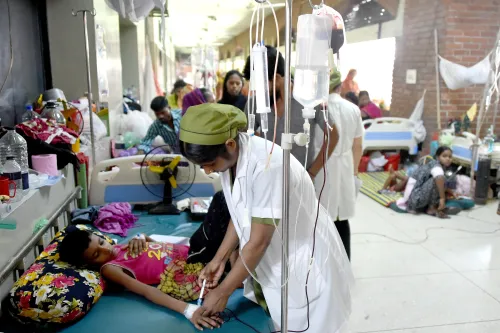
West Bengal has recorded more than 500 new dengue cases in the seven days ending 7 September, pushing the state's total tally for the current monsoon season past 4,500, according to data released by the West Bengal Health Department. The surge follows an intensive door-to-door surveillance drive launched after the department issued a standard operating procedure (SOP) for dengue monitoring and prevention on 2 September.
Scale of the Outbreak
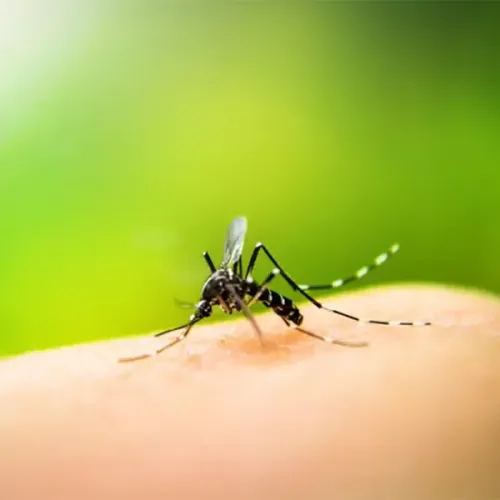
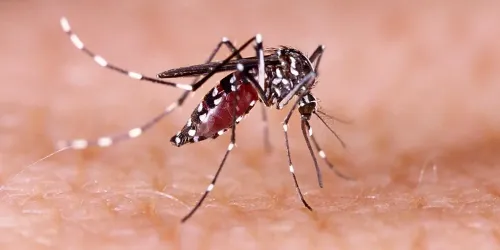
The state's dengue caseload has climbed sharply since April. According to departmental figures, 770 people had been infected by 30 April, rising to 1,946 by 31 July and 3,966 by 31 August — before crossing 4,500 in the first week of September. The acceleration in August and September coincides with peak monsoon conditions, which create ideal breeding grounds for the Aedes mosquito.
Districts Most Affected
Murshidabad is the worst-hit district on both counts — new weekly cases and cumulative annual tally. Of the roughly 500 newly detected cases in the past seven days, 96 were reported from Murshidabad alone. Over the full calendar year, the district accounts for 870 of the state's 4,500-plus cases, making it the single largest contributor. Kolkata ranks second, with 402 cumulative cases this year and 62 new infections in the past week.
What the Government Said
A Health Department official defended the transparency of this year's figures, noting a deliberate shift away from past practices of underreporting. 'However, the good thing is that whatever the figures that have surfaced this year are 100 per cent authentic, without any question of underquoting the affected figure or describing dengue as 'unknown fever' — a phenomenon which was rampant during the last few years,' the official said. The official attributed this to clear instructions from Chief Minister Suvendu Adhikari that dengue cases must be reported as dengue and not masked under the label of 'unknown fever.'
Chief Minister Adhikari had earlier urged residents not to panic despite continued heavy rainfall, characterising the situation as serious but not highly alarming. He also noted that the current caseload, though elevated, remains lower than the figures recorded during the same monsoon period in the previous year.
The SOP and Surveillance Drive
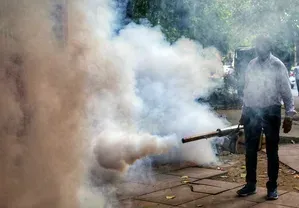
The 2 September SOP triggered an extensive exercise involving door-to-door monitoring and immediate blood testing of individuals displaying dengue symptoms. Officials credit this intensified surveillance — rather than a sudden spike in transmission alone — as a key reason for the sharp rise in detected cases over the past week. This distinction matters: higher case counts may partly reflect better detection, not necessarily a proportionate worsening of the outbreak.
What Comes Next
With the monsoon season likely to persist through September, health authorities are expected to maintain heightened surveillance across high-burden districts. The trajectory of cases in Murshidabad and Kolkata will be closely watched as the state attempts to contain further spread before conditions dry out.
Point of View
Murshidabad, points to uneven vector-control infrastructure that the SOP must address with district-specific resources, not just state-level advisories. With the monsoon still active, the next two to three weeks are critical; if the weekly case count does not plateau, the 4,500 figure could look modest by October.
NationPress
24 Oct 2026
Frequently Asked Questions
How many dengue cases have been reported in West Bengal this monsoon?
West Bengal has recorded more than 4,500 dengue cases during the current monsoon season, according to the state Health Department. This includes over 500 new cases detected in the seven days leading up to 7 September alone.
Which district in West Bengal has the most dengue cases?
Murshidabad is the worst-affected district, accounting for 870 of the state's total cases this year and 96 of the roughly 500 new cases reported in the latest seven-day period. Kolkata is second, with 402 cumulative cases and 62 new infections in the same week.
Why did dengue cases in West Bengal spike so sharply in the first week of September?
The spike is partly attributed to an intensive door-to-door surveillance drive launched after the Health Department issued a standard operating procedure on 2 September. Officials say the higher numbers reflect improved detection as well as actual transmission, not a sudden outbreak alone.
What did Chief Minister Suvendu Adhikari say about the dengue situation?
Chief Minister Suvendu Adhikari urged residents not to panic despite heavy rainfall, describing the situation as serious but not highly alarming. He also noted that the current caseload is lower than what was recorded during the same monsoon period in the previous year.
Why are this year's dengue figures considered more reliable than in previous years?
Health Department officials stated that cases are now being reported as dengue rather than being classified as 'unknown fever,' a practice that was widespread in previous years and led to suspected underreporting. The change follows direct instructions from Chief Minister Adhikari to medical institutions to report dengue accurately.