Bengal dengue alert: 5 districts flagged, 3,000+ cases in 2025
Synopsis
West Bengal has crossed 3,000 dengue cases and 10 deaths this monsoon, with five districts including Kolkata and Murshidabad flagged as high-risk. A concurrent Plasmodium Falciparum malaria surge adds to the crisis, while CM Suvendu Adhikari has ordered hospitals to stop classifying vector-borne disease cases as unknown fever — a pointed dig at the previous TMC government's alleged data suppression.
Key Takeaways
The West Bengal Health Department has flagged five districts — Kolkata , Howrah , North 24 Parganas , South 24 Parganas , and Murshidabad — as the state's most dengue-prone zones.
Over 3,000 dengue cases and 10 deaths have been recorded in the state since the start of the 2025 monsoon season.
Approximately 1,000 new dengue cases were reported in the single month leading up to 30 August .
The state has also logged over 5,000 malaria cases this year, with a significant share involving the lethal Plasmodium Falciparum strain.
Chief Minister Suvendu Adhikari has ordered hospitals and doctors to accurately report vector-borne disease cases and stop labelling them as unknown fever.
The West Bengal Health Department has identified five districts — Kolkata, Howrah, North 24 Parganas, South 24 Parganas, and Murshidabad — as the most dengue-prone zones in the state, officials confirmed on Monday, 31 August. Persistent weather unpredictability and heavy monsoon rainfall have driven dengue cases and deaths upward, prompting the department to place these districts under heightened surveillance.
Scale of the Outbreak
According to state health department officials, approximately 1,000 new dengue cases were reported in the state in the one month leading up to 30 August. The cumulative case count since the beginning of the current monsoon season has crossed 3,000, with 10 dengue-related deaths recorded so far this year.
The situation is compounded by a concurrent malaria surge. Officials noted that the state has logged over 5,000 malaria cases during the current year, a substantial portion of which involve Plasmodium Falciparum — the deadliest strain of malaria, known to severely damage the kidneys.
The Falciparum Threat
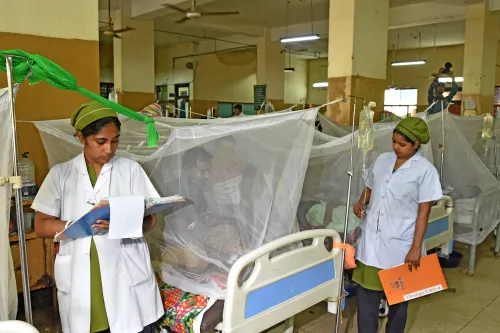
Besides dengue, instances of Plasmodium Falciparum, which is the deadliest form of malaria that can badly affect the kidneys, have also been reported from these districts, a state health department official said. The dual burden of dengue and this malaria strain places acute pressure on district-level health infrastructure, particularly in high-density urban areas such as Kolkata and Howrah.
Government Transparency Push
Chief Minister Suvendu Adhikari has issued explicit instructions to all hospital authorities and doctors to accurately report dengue and malaria figures, pushing back against what he described as a legacy of systematic undercounting under the previous government.
'Clear instructions have been given to all concerned to mention the right disease. There is no need to mention dengue or malaria cases as unknown fever. The previous state government always underquoted the affected or death count, where the hospital authorities and doctors were forced to report dengue cases as unknown fever. But we are asking them not to hide anything. What is there to hide? If there is dengue, it will definitely be dealt with. There is no reason to be afraid when doctors write dengue. If it is dengue, they will write dengue. If not, they will not write,' said CM Adhikari.
The remarks are a direct rebuke of practices allegedly prevalent during the Mamata Banerjee-led All India Trinamool Congress (TMC) administration, which critics had long accused of suppressing vector-borne disease data during peak monsoon months.
What Comes Next
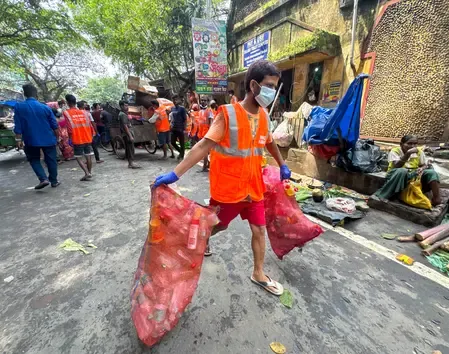
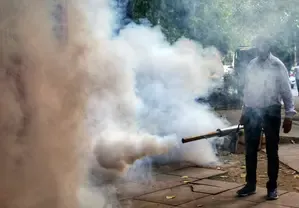
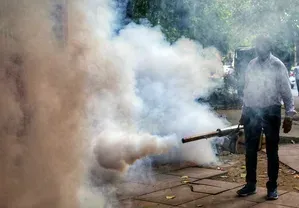
With the monsoon likely to persist through September, health officials warn that case counts in the five flagged districts could rise further. The department's focus will be on vector control drives, rapid diagnostic testing, and ensuring that district hospitals have adequate platelet supply and anti-malarial medication. How effectively the transparency directive translates into ground-level reporting will be a key indicator of whether the state's disease surveillance has genuinely improved.
Point of View
000 dengue cases and 10 deaths in a single monsoon season, layered on top of 5,000 malaria cases — point to a vector-control infrastructure that has not kept pace with urban density and climate volatility. CM Adhikari's transparency directive is politically pointed, but the more pressing question is operational: does the state have the surveillance bandwidth to act on accurate data once it starts flowing in? Historically, the gap between reporting reform and on-ground response in Indian public health has been wide. Whether this directive changes disease outcomes, or merely changes what gets written on discharge summaries, is the real test.
NationPress
15 Oct 2026
Frequently Asked Questions
Which five districts has West Bengal identified as most dengue-prone?
The West Bengal Health Department has identified Kolkata, Howrah, North 24 Parganas, South 24 Parganas, and Murshidabad as the most dengue-prone districts in the state. The designation is based on case counts recorded over the past month and across the current monsoon season.
How many dengue cases and deaths have been reported in West Bengal in 2025?
Over 3,000 dengue cases have been recorded in West Bengal since the start of the 2025 monsoon, including roughly 1,000 new cases in the single month leading up to 30 August. Ten dengue-related deaths have been reported in the state so far this year.
What is Plasmodium Falciparum and why is it a concern in West Bengal?
Plasmodium Falciparum is the deadliest form of malaria parasite and can cause severe kidney damage. State health officials have confirmed that a substantial portion of West Bengal's 5,000-plus malaria cases this year involve this strain, adding a second disease burden on top of the dengue outbreak.
Why did CM Suvendu Adhikari issue a directive on disease reporting?
CM Adhikari ordered all hospital authorities and doctors to accurately record dengue and malaria diagnoses rather than listing them as unknown fever. He attributed the practice of undercounting to the previous Mamata Banerjee-led TMC government, which critics had accused of suppressing vector-borne disease figures during monsoon months.
What should residents in the flagged districts do during this dengue alert?
Residents in Kolkata, Howrah, North 24 Parganas, South 24 Parganas, and Murshidabad should eliminate stagnant water around their homes, use mosquito repellents, and seek immediate medical attention for high fever, severe headache, or joint pain. Health officials are conducting vector-control drives across these districts.