ICMR high-altitude research centre launched in Keylong by JP Nadda
Synopsis
India's first dedicated high-altitude medicine research centre has been founded in Keylong, Lahaul-Spiti — a region where low oxygen, extreme cold, and isolation create health challenges largely invisible to mainstream medical research. The ICMR facility, backed by a rare ICMR-Armed Forces-AIIMS Bilaspur collaboration, signals a serious institutional commitment to evidence-based healthcare for Himalayan communities and border troops.
Key Takeaways
Health Minister JP Nadda laid the foundation stone of the ICMR Centre for High Altitude Medicine and Public Health Research in Keylong , Lahaul-Spiti , on 12 October 2026 .
The Centre will research health effects of low oxygen levels , extreme cold , and high-altitude climatic conditions on Himalayan tribal communities and armed forces personnel.
The initiative involves a three-way collaboration between ICMR , the Armed Forces Medical Services , and AIIMS Bilaspur .
Union Minister of State for Defence Sanjay Seth attended as guest of honour, underscoring the facility's strategic defence health significance.
Nadda credited ICMR's COVID-19 vaccine development as evidence of the institution's capacity to deliver on major public health mandates.
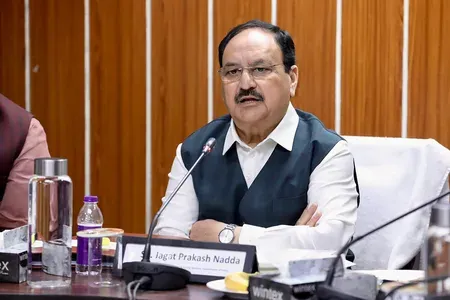
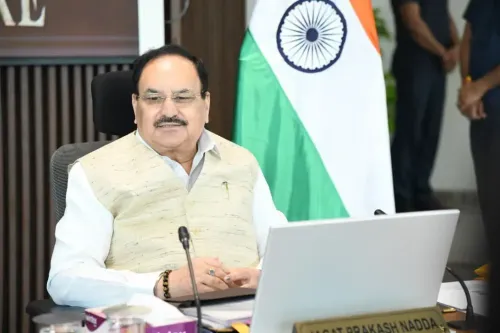
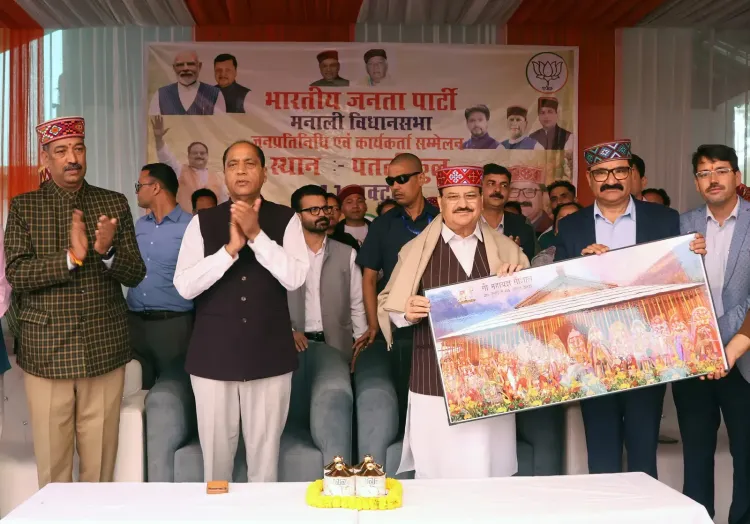
Union Minister for Health and Family Welfare Jagat Prakash Nadda on Monday, 12 October 2026, laid the foundation stone of the ICMR Centre for High Altitude Medicine and Public Health Research in Keylong, Lahaul-Spiti district, Himachal Pradesh. The facility is designed to build a dedicated institutional base for studying the unique health challenges faced by communities and armed forces personnel living and serving in the Himalayan region.
What the Centre Will Research
Nadda underscored the need for systematic scientific inquiry into health risks arising from low oxygen levels, extreme cold, changing climatic conditions, and the distinct lifestyles of tribal communities in high-altitude zones. He said targeted research was essential to identify health risks, design appropriate interventions, and bolster preventive healthcare in these geographically isolated regions.
The Centre is expected to study the physiological effects of altitude on the human body and generate evidence-based strategies for both promotive and preventive healthcare. Its findings are anticipated to benefit not only local communities but also military personnel deployed in extreme high-altitude environments along India's northern borders.
Key Institutional Collaborations
Nadda highlighted the collaboration between the Indian Council of Medical Research (ICMR) and the Armed Forces Medical Services as central to the Centre's founding vision. He also acknowledged the participation of AIIMS Bilaspur, which will contribute clinical expertise to complement ICMR's research capabilities in studying the health impact of high-altitude conditions on patients visiting the region.
Referencing Prime Minister Narendra Modi's broader push to strengthen healthcare infrastructure, Nadda described the Centre as a tangible reflection of the government's commitment to addressing the distinctive medical needs of people in remote Himalayan and border regions.
Armed Forces Perspective
Union Minister of State for Defence Sanjay Seth, the guest of honour at the event, highlighted the significance of the joint research initiative from the armed forces' standpoint. Drawing on operational experience in high-altitude terrain, Seth expressed confidence that combining ICMR's scientific capabilities with the Armed Forces Medical Services' field experience would accelerate the development of effective medical solutions for altitude-related health conditions.
Seth emphasised that the research undertaken at Keylong was expected to yield practical benefits for personnel serving in Himachal Pradesh's high-altitude zones and for the local communities who inhabit them year-round.
ICMR's Broader Role
Nadda also commended ICMR for its role in developing India's COVID-19 vaccine, which, he noted, aided pandemic response not only domestically but across several countries globally. The reference underscored ICMR's institutional credibility as the Centre takes on its new high-altitude mandate.
With the foundation stone now laid, the Centre at Keylong represents a first-of-its-kind dedicated research infrastructure in India for high-altitude medicine, with its full operational timeline yet to be announced.
Point of View
With healthcare strategies imported from plains-based studies that may not apply to low-oxygen, extreme-cold environments. The Keylong centre's three-way collaboration between ICMR, Armed Forces Medical Services, and AIIMS Bilaspur is structurally sound on paper, but the real measure will be whether research outputs translate into updated clinical protocols and ground-level healthcare delivery. High-altitude medicine is a niche but globally growing field — India's entry here is overdue given its unique Himalayan geography. The absence of a published operational timeline or research roadmap at launch is a gap worth watching.
NationPress
12 Oct 2026
Frequently Asked Questions
What is the ICMR Centre for High Altitude Medicine and Public Health Research?
It is a dedicated research facility launched in Keylong, Lahaul-Spiti, Himachal Pradesh, on 12 October 2026, by Health Minister JP Nadda. The Centre will study health challenges specific to high-altitude environments, including the effects of low oxygen, extreme cold, and climatic conditions on tribal communities and armed forces personnel in the Himalayan region.
Why is a dedicated high-altitude medicine centre needed in Keylong?
High-altitude environments pose unique health risks — including hypoxia, extreme cold, and altitude sickness — that are poorly addressed by research conducted at lower elevations. Keylong, located in the high-altitude Lahaul-Spiti district, provides direct access to the populations and conditions the Centre aims to study, including tribal communities and military personnel deployed along India's northern borders.
Which institutions are collaborating on the Keylong ICMR centre?
The Centre is a collaboration between the Indian Council of Medical Research (ICMR) and the Armed Forces Medical Services. AIIMS Bilaspur will also participate, contributing clinical experience in studying the health impact of high-altitude conditions on patients in the region.
Who will benefit from the research conducted at the Centre?
The primary beneficiaries are tribal communities living in Himachal Pradesh's high-altitude zones and Indian armed forces personnel deployed in extreme-altitude environments along the northern borders. Research findings are also expected to inform preventive and promotive healthcare strategies for anyone visiting or living in the Himalayan region.
What was JP Nadda's broader message at the foundation stone ceremony?
Nadda linked the Centre's establishment to Prime Minister Narendra Modi's vision of strengthening healthcare infrastructure for remote and border regions. He also praised ICMR's role in developing India's COVID-19 vaccine, framing the new Centre as part of ICMR's expanding mandate to address nationally significant public health challenges.