India wins 7 Codex food standards at Geneva, cashew norms next
Synopsis
India didn't just attend the Codex Alimentarius Commission in Geneva — it shaped the agenda. Seven standards developed under India's chairmanship were adopted, covering spices, poultry safety, and food labelling. And with a new cashew kernel standard now greenlit, India is moving from rule-taker to rule-maker in global food trade.
Key Takeaways
The 49th Codex Alimentarius Commission session in Geneva adopted 7 food standards developed under India's chairmanship and co-chairmanship on 14 July 2025 .
Standards for dried coriander seeds and fresh curry leaves were adopted under India's direct chairmanship.
Standards for vanilla and large cardamom , plus water-reuse and poultry safety guidelines, were adopted under India's co-chairmanship.
The Commission approved India's proposal to develop a new Codex Standard for Cashew Kernels , aimed at boosting Indian export competitiveness.
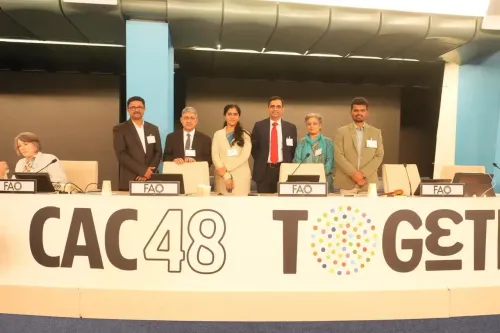
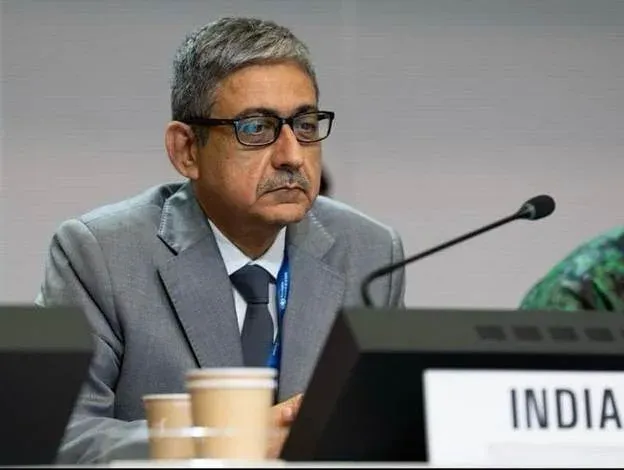
The Indian delegation was led by Rajit Punhani , CEO of FSSAI , alongside experts from FSSAI and the Spices Board .
India secured a significant multilateral win at the 49th Session of the Codex Alimentarius Commission in Geneva on 14 July 2025, with seven Codex standards and guidelines developed under India's chairmanship and co-chairmanship formally adopted by the Commission. The achievement, confirmed by an official statement from the Ministry of Health and Family Welfare, reinforces India's growing influence in shaping science-based international food standards.
Standards Adopted
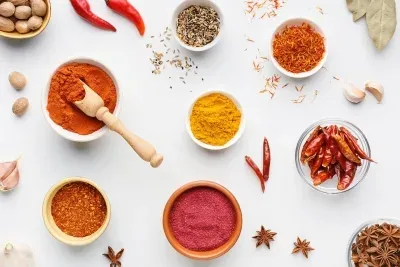
The Commission adopted standards for dried coriander seeds and fresh curry leaves — both developed under India's direct chairmanship — along with five Codex texts developed under India's co-chairmanship. The standard for dried coriander seeds is expected to streamline trade in one of the world's most widely traded spices, while the fresh curry leaves standard establishes the first international benchmark for this regionally significant culinary herb.
The five co-chairmanship texts include standards for vanilla and large cardamom, which set internationally harmonised quality requirements for these globally traded commodities. They also include annexes to guidelines on the safe use and reuse of water in food production and processing.
Food Safety and Labelling Measures
Among the other adopted texts are guidelines for the control of campylobacter and salmonella in chicken meat, aimed at strengthening measures to reduce foodborne illnesses linked to poultry. Additionally, provisions relevant to joint presentation and multipack formats under the general standard for the labelling of prepackaged foods were adopted, providing greater clarity and consistency in food labelling requirements globally.
New Work Approved for Cashew Kernels
In a separate but equally notable development, the Commission approved India's proposal to undertake new work for the development of a Codex Standard for Cashew Kernels under the Codex Committee on Processed Fruits and Vegetables. According to the Ministry, the forthcoming standard is expected to facilitate fair trade, reduce technical barriers, and strengthen market access for Indian exports by enhancing the country's competitiveness in the global cashew trade — a sector in which India is a leading player.
Indian Delegation and Its Role
The Indian delegation was led by Rajit Punhani, Chief Executive Officer of the Food Safety and Standards Authority of India (FSSAI), supported by technical experts from FSSAI and the Spices Board. The delegation participated actively across the Commission's deliberations, reflecting a coordinated, multi-agency approach to international standard-setting.
This outcome at Geneva marks a consolidation of India's chairmanship-driven agenda at Codex, and signals the country's intent to shape global food trade rules — not merely comply with them. The cashew standard process will be closely watched as a test of how quickly India can convert proposal approvals into enforceable international norms.
Point of View
But the more consequential signal is the cashew kernel standard proposal. India is the world's largest cashew processor, and an internationally harmonised standard could meaningfully reduce technical trade barriers with key importers in Europe and the US. The real question is pace: Codex standard development cycles can stretch years, and the commercial window for Indian cashew exporters is competitive. FSSAI's ability to drive that process to conclusion — not just initiation — will determine whether this Geneva win translates into tangible export gains.
NationPress
13 Oct 2026
Frequently Asked Questions
What was India's achievement at the 49th Codex Alimentarius Commission session?
India secured the adoption of seven Codex food standards and guidelines developed under its chairmanship and co-chairmanship at the 49th session of the Codex Alimentarius Commission in Geneva on 14 July 2025. The Commission also approved India's proposal to develop a new standard for cashew kernels.
Which food standards were adopted under India's chairmanship at Codex?
Standards for dried coriander seeds and fresh curry leaves were adopted under India's direct chairmanship. Five additional Codex texts — including standards for vanilla and large cardamom, water-reuse guidelines, poultry safety guidelines, and food labelling provisions — were adopted under India's co-chairmanship.
What is the significance of the new Codex Standard for Cashew Kernels?
The proposed Codex Standard for Cashew Kernels, approved for development under the Codex Committee on Processed Fruits and Vegetables, is intended to facilitate fair trade, reduce technical barriers, and strengthen market access for Indian cashew exports globally. India is among the world's leading cashew processors, making this standard commercially significant.
Who led India's delegation at the Codex Alimentarius Commission session?
The Indian delegation was led by Rajit Punhani, Chief Executive Officer of the Food Safety and Standards Authority of India (FSSAI), supported by technical experts from FSSAI and the Spices Board.
Why does the Codex Alimentarius Commission matter for India's food exports?
The Codex Alimentarius Commission sets internationally recognised food safety and quality standards that influence market access conditions across more than 180 countries. Standards adopted at Codex reduce technical trade barriers, helping Indian exporters of spices, processed foods, and agricultural commodities compete on a level playing field in global markets.