RML Hospital launches India's first immersion cooling heatstroke centre
Synopsis
India's first immersion cooling facility for heatstroke — a globally recognised best practice — has been quietly running at RML Hospital in New Delhi since 2024, and is now being replicated nationwide. With Indian summers growing deadlier, this single public-hospital initiative could redefine emergency heat care across the country.
Key Takeaways
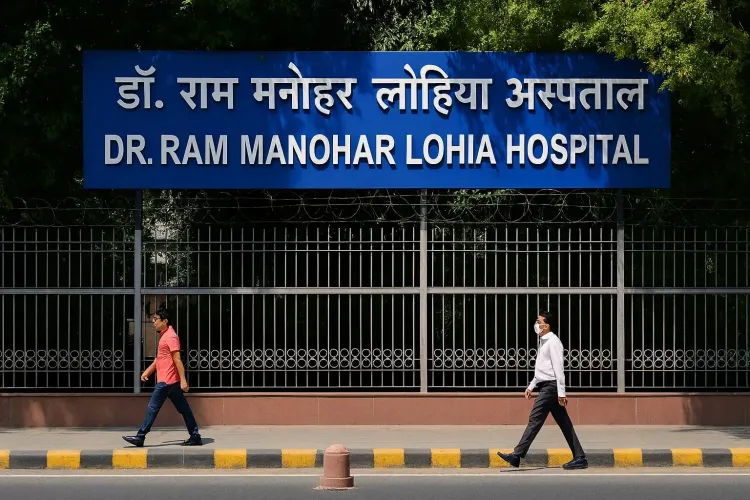
Ram Manohar Lohia Hospital , New Delhi , has set up India's first immersion cooling facility for heatstroke treatment.
The Heat Wave Centre has been operational since 2024 , developed under the Union Health Ministry's NPCCHH programme.
The centre is equipped with ice tubs , bath tubs , cooling systems , fans , and round-the-clock emergency care.
Two patients with severe heat-related illness have been successfully treated and discharged.
The RML model is now being replicated at other hospitals across India.
Elderly people and children are identified as the most vulnerable groups during heatwave conditions.
Dr. Ram Manohar Lohia (RML) Hospital in New Delhi has established India's first immersion cooling facility for heatstroke treatment, making it a national pioneer in managing severe heat-related illnesses. The specialised Heat Wave Centre, operational since 2024, uses water-based cooling — the globally recognised gold standard for heatstroke care — a method that had no dedicated facility anywhere in India before this initiative.
How the Centre Came to Be
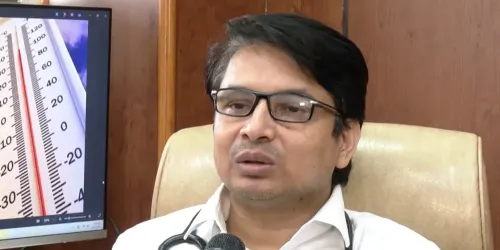
The facility was developed under the guidance of a committee constituted by the Union Health Ministry under the National Programme on Climate Change and Human Health (NPCCHH), which functions under the National Centre for Disease Control. Dr. Ajay Chauhan, the senior physician who led the initiative, said the impetus came from the growing clinical burden of heatstroke cases driven by climate change.
'We found that the best practice globally is immersion cooling — meaning cooling under water. However, such a facility did not exist anywhere in India before. So, for the first time, we brainstormed and established it here,' Dr. Chauhan said.
What the Facility Includes
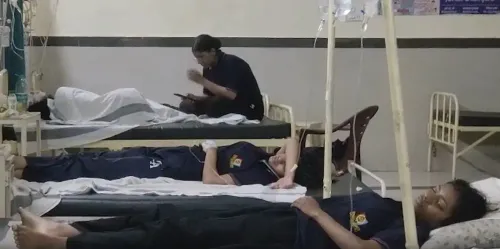
The Heat Wave Centre is equipped with ice tubs, bath tubs, cooling systems, fans, and air conditioning to deliver immediate emergency relief to patients presenting with extreme heat exposure and heatstroke. The centre operates round the clock, ensuring emergency care is available at all times. According to Dr. Chauhan, two patients with severe heat-related complications have already been successfully treated and discharged after full recovery.
National Replication Under Way
The RML model is now being adopted by other healthcare institutions across the country, according to hospital officials. This comes amid intensifying summer temperatures in India, with heatwave conditions affecting large parts of the country in May 2025. Notably, the replication effort signals a broader shift in how Indian public hospitals approach heat emergency preparedness — moving from reactive treatment to protocol-driven, equipment-backed care.
Advisory for the Public
Dr. Chauhan urged citizens to avoid stepping outdoors unless absolutely necessary during the ongoing heatwave season and to stay hydrated by carrying cold water and consuming fluids regularly. He recommended traditional cooling drinks such as lassi, buttermilk, and bael sherbet to help maintain hydration and body temperature. He also flagged that elderly people and children are particularly vulnerable and should receive special attention during periods of extreme heat.
As Indian summers grow more severe, the RML model offers a replicable template for public hospitals nationwide — and the pace of its adoption will be a key indicator of the country's climate-health readiness.
Point of View
Yet the absence of a single immersion cooling facility until 2024 exposes the gap between policy and clinical infrastructure. RML's initiative is commendable, but the fact that it took a ministry-level committee to build what is essentially a tub with ice points to how underprepared public hospitals remain. The replication effort is encouraging, but without standardised protocols, dedicated funding, and staff training at district hospitals — where most heatstroke deaths actually occur — the RML model risks staying a Delhi showcase rather than becoming a national standard.
NationPress
21 Sept 2026
Frequently Asked Questions
What is the immersion cooling facility at RML Hospital?
It is India's first water-based cooling unit for heatstroke patients, set up at Dr. Ram Manohar Lohia Hospital in New Delhi. The facility uses ice tubs, bath tubs, and cooling systems to rapidly lower body temperature in severe heat-related illness cases, following globally recognised best practices.
When did the RML Heat Wave Centre become operational?
The Heat Wave Centre at RML Hospital has been operational since 2024. It was developed under a committee formed by the Union Health Ministry under the National Programme on Climate Change and Human Health (NPCCHH).
Has the facility treated any patients so far?
Yes. According to Dr. Ajay Chauhan, two patients with severe heat-related complications have been successfully treated and fully discharged from the facility since it opened.
Is the RML model being adopted by other hospitals?
Yes. Hospital officials confirmed that the immersion cooling model pioneered at RML Hospital is now being replicated at other healthcare institutions across India as the country faces increasingly severe summer temperatures.
Who is most at risk during a heatwave, according to doctors?
Dr. Chauhan identified elderly people and children as the most vulnerable groups during extreme heat. He advised all citizens to avoid unnecessary outdoor exposure, stay hydrated, and consume cooling drinks such as lassi, buttermilk, and bael sherbet.