Rajasthan swine flu 2026: 146 H1N1 cases since January, health alert issued
Synopsis
Rajasthan's swine flu count hit 146 cases between January and August 2026, with August alone contributing 55 — an 11-fold jump from July. The state health department has issued an alert and put medical institutions on preparedness mode, even as ICMR data rules out a new or more dangerous strain.
Key Takeaways
Rajasthan recorded 146 H1N1 swine flu cases between January and August 2026 .
August saw the highest monthly count with 55 cases , up sharply from 5 in July .
ICMR has confirmed no new or more virulent strain — the circulating virus is the same as seen previously.
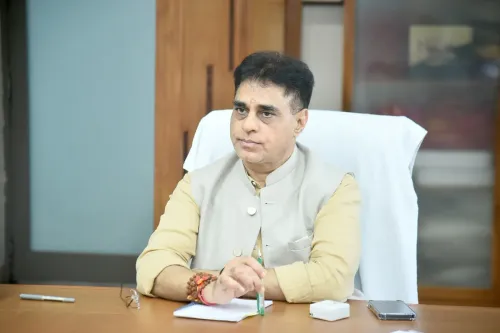
Medical and Health Minister Gajendra Singh Khimsar directed all medical institutions to ensure preparedness for screening, treatment, and referral.
High-risk groups include young children, older adults, pregnant women , and those with underlying health conditions.
The department has warned against self-medication and urged people to seek timely medical advice.
The Rajasthan Medical and Health Department has issued a public health alert after 146 confirmed cases of swine flu (Influenza A H1N1) were recorded across the state between January and August 2026, with August alone accounting for 55 cases — the highest single-month count this year. The alert comes amid a broader rise in H1N1 activity in parts of the country, including Delhi.
Monthly Case Breakdown
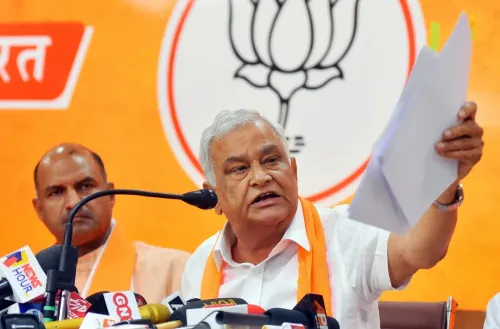
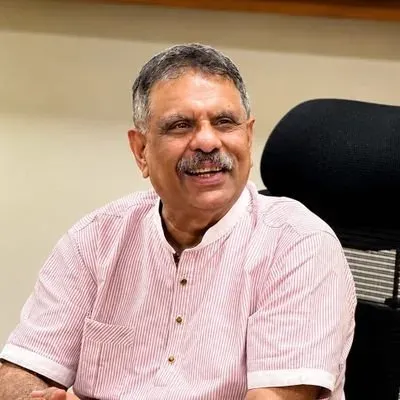
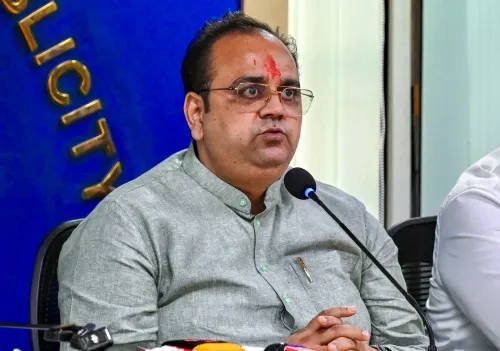
Medical and Health Minister Gajendra Singh Khimsar confirmed the figures on Thursday, 27 August 2026, noting that cases have climbed sharply in recent weeks. Principal Secretary (Medical and Health) Gayatri Rathore provided a month-wise breakdown: 2 cases in January, 3 in February, 20 in March, 22 in April, 25 in May, 14 in June, 5 in July, and 55 in August. The August surge represents a near 11-fold rise from July, signalling a significant acceleration in transmission.
No New Strain Confirmed, Says ICMR
Rathore clarified that no new or more virulent strain of the H1N1 virus has been detected. Citing information from the Indian Council of Medical Research (ICMR), she said the virus currently circulating is the same strain identified in previous outbreaks. She urged residents not to panic, but to remain cautious and seek timely medical advice if symptoms appear.
Notably, this reassurance is significant given public anxiety following the concurrent rise in cases in Delhi, which had prompted the Rajasthan department to step up its own surveillance and preparedness measures.
Who Is at Higher Risk
Swine flu is a respiratory infection characterised by fever, cough, sore throat, runny or blocked nose, headache, body aches, and fatigue. While most patients recover with appropriate care, young children, older adults, pregnant women, and individuals with serious underlying health conditions face a higher risk of complications. Those experiencing difficulty in breathing, persistent high fever, extreme weakness, low oxygen levels, or other severe symptoms are advised to contact a doctor or the nearest health facility immediately.
What the Government Has Directed
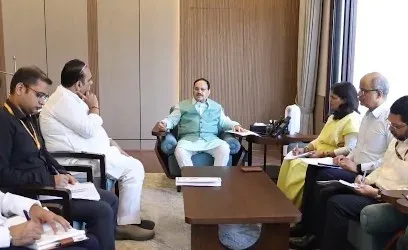
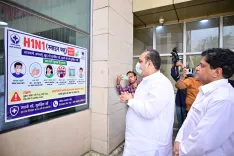
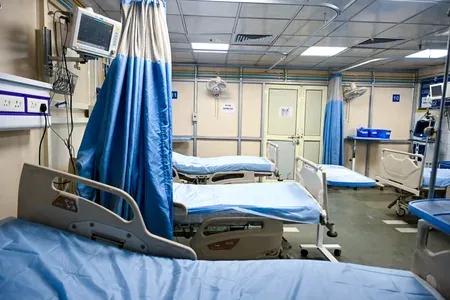
Minister Khimsar said the government has issued instructions to all medical institutions to ensure adequate preparedness for screening, treatment, and referral of patients. Government medical facilities across the state have been placed on alert. The department has also cautioned against self-medication, specifically advising people not to take antibiotics or antiviral medicines without medical consultation — a reminder that mirrors guidance issued during previous seasonal influenza surges.
Preventive Measures Advised
The department has urged residents to cover their mouth and nose while coughing or sneezing, wash hands frequently with soap and water or use hand sanitiser, and wear a mask when necessary. People with fever, cough, or sore throat should avoid crowded places, schools, offices, and social gatherings until they recover. Adequate rest and fluid intake are also recommended.
Surveillance of swine flu and seasonal influenza cases continues across all districts. The department has appealed to the public to avoid rumours, stay vigilant, and follow respiratory hygiene practices to curb further spread.
Point of View
But the August surge — coinciding with a rise in Delhi — raises questions about whether surveillance infrastructure is catching cases early enough or only after community spread is underway. The advisory against self-medication is timely, but the state has not detailed testing capacity or antiviral stockpiles, which are the real metrics of preparedness. Public communication that leads with 'don't panic' without publishing district-level data risks eroding the trust it is trying to build.
NationPress
27 Aug 2026
Frequently Asked Questions
How many swine flu cases has Rajasthan reported in 2026?
Rajasthan has reported 146 confirmed cases of swine flu (Influenza A H1N1) between January and August 2026, according to Principal Secretary (Medical and Health) Gayatri Rathore. August alone accounted for 55 cases, the highest single-month count of the year.
Is there a new or more dangerous strain of H1N1 circulating in Rajasthan?
No. Gayatri Rathore, citing information from the Indian Council of Medical Research (ICMR), clarified that no new or more virulent strain has been confirmed. The virus currently circulating is the same strain identified in previous outbreaks.
Who is at higher risk from swine flu?
Young children, older adults, pregnant women, and individuals with serious underlying health conditions face a higher risk of complications from H1N1 swine flu. The Rajasthan health department advises these groups to seek medical attention promptly if symptoms appear.
What symptoms should prompt an immediate doctor visit?
Difficulty in breathing, persistent high fever, extreme weakness, and low oxygen levels are warning signs that require immediate medical attention, according to the Rajasthan health department. Residents are advised to contact a doctor or the nearest health facility without delay if these symptoms develop.
What steps has the Rajasthan government taken in response to the swine flu rise?
Medical and Health Minister Gajendra Singh Khimsar has directed all government medical institutions to maintain preparedness for screening, treatment, and patient referral. The department has also issued public advisories on hygiene, mask use, and avoiding self-medication with antibiotics or antivirals.