101 migrants rescued after boat fire off Gambia coast near Albreda
Synopsis
A boat fire off The Gambia's coast forced a multi-agency emergency response, rescuing 101 migrants — including 5 minors — from Senegal, Gambia, and Guinea. The incident is one of several this year illustrating the deadly scale of irregular migration routes stretching from West Africa to the English Channel and the Mediterranean.
Key Takeaways
101 migrants were rescued off Sika and Albreda in The Gambia after their boat caught fire on 8 November 2026 .
The rescued group included 72 Senegalese , 27 Gambians , and 2 Guineans — all male, including 5 minors .
14 survivors were hospitalised at Essau Health Center ; 2 others were treated and discharged from Albreda Health Center .
The rescue involved the Gambia Immigration Department , Gambia Navy , Gambia Red Cross Society , and Gambia Fire and Rescue Services .
Separately, average capacity of English Channel smuggling boats has risen from 26 people in 2021 to 65 since the start of 2026 .
A record 781 migrants crossed the English Channel to Britain in a single day on 23 September 2026 .
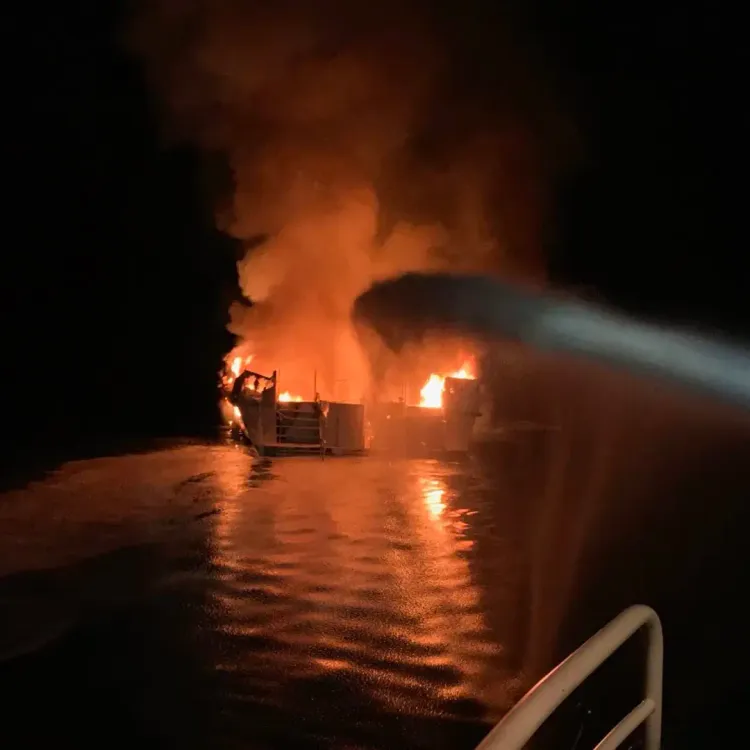
A total of 101 migrants were rescued off the coasts of Sika and Albreda in The Gambia after their boat caught fire, the Gambia Immigration Department (GID) confirmed in an official statement on 8 November 2026. The emergency response drew on multiple agencies working in coordination to pull survivors from the water.
Who Was Rescued and Their Condition
The rescued group comprised 72 Senegalese nationals, 27 Gambians, and 2 Guineans — all male, including 5 minors, according to the GID statement. At the time of the statement, 14 of those rescued were receiving treatment at Essau Health Center, while 2 others had been treated and discharged from Albreda Health Center and were reportedly assisting investigators.
The Rescue Operation
The operation involved the GID's migration management and border patrol units based in Barra, alongside the Gambia Red Cross Society, the Gambia Fire and Rescue Services, and the Gambia Navy. The coordinated multi-agency response underscores the scale of the emergency and the ongoing pressure on West African coastal authorities to manage irregular migration routes.
A Pattern of Peril Across Migration Routes
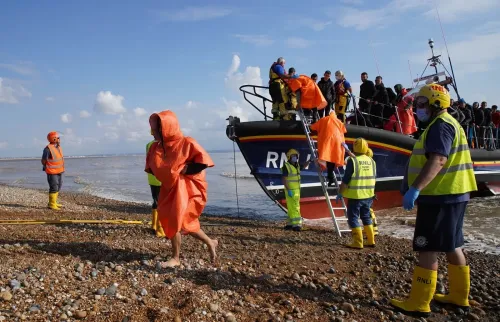
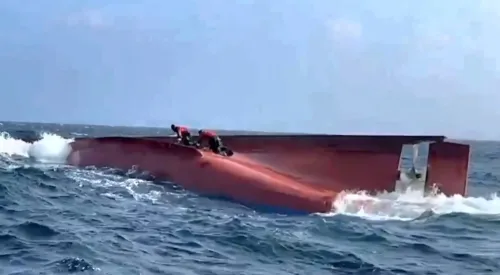
This incident is part of a wider pattern of dangerous sea crossings that continues to claim lives across multiple migration corridors. On 28 September, three migrants died after a taxi-boat sank off northern France, near Wissant in the department of Pas-de-Calais. Reports indicate 105 people were aboard that vessel. Notably, the average capacity of boats used by migrant smugglers to cross the English Channel has risen sharply — from 26 people in 2021 to 65 since the beginning of 2026, according to France's maritime prefecture. On 23 September, a record 781 migrants arrived in Britain in a single day via small boats, the highest such daily figure this year.
Mediterranean Route Also Under Strain
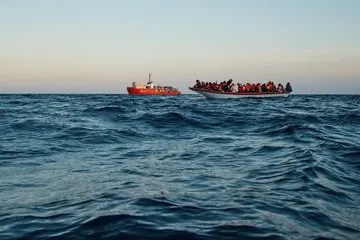
Meanwhile, the central Mediterranean corridor remains equally treacherous. In August, a humanitarian vessel operated by Italian NGO Emergency rescued 50 migrants and recovered the bodies of 7 others in international waters off the Libyan coast. The survivors were found aboard a two-deck wooden boat. Libya remains a primary departure point for migrants attempting to cross the Mediterranean to Europe, with boat accidents off its coast occurring frequently and resulting in ongoing deaths and disappearances.
Broader Context
Irregular migration across both the Atlantic and Mediterranean corridors has escalated in recent years, straining humanitarian and border management capacities from West Africa to Western Europe. The Gambia incident highlights how the crisis extends well beyond the English Channel — with the West African coast increasingly serving as a critical node in transnational migration flows. Authorities and humanitarian organisations are expected to continue coordinating on search-and-rescue capacity in the region.
Point of View
Pointing to converging migration pressures across Senegal, Guinea, and The Gambia itself. The steady increase in smuggling boat capacity across all corridors — from 26 to 65 people on average in the Channel alone — signals that criminal networks are industrialising, while humanitarian response capacity remains fragmented. The real policy failure is the absence of durable regional frameworks that address root causes alongside rescue logistics.
NationPress
8 Nov 2026
Frequently Asked Questions
What happened in the Gambia boat fire incident?
A boat carrying migrants caught fire off the coasts of Sika and Albreda in The Gambia, prompting a multi-agency rescue operation that saved 101 people. The Gambia Immigration Department confirmed the incident, with the rescued group including nationals from Senegal, Gambia, and Guinea.
Who carried out the rescue operation in The Gambia?
The rescue was coordinated by the Gambia Immigration Department's migration management and border patrol units in Barra, with support from the Gambia Red Cross Society, Gambia Fire and Rescue Services, and the Gambia Navy.
What was the condition of the rescued migrants?
At the time of the GID statement, 14 of the 101 rescued migrants were receiving treatment at Essau Health Center, while 2 others had been treated and discharged from Albreda Health Center and were assisting investigators. Five of the rescued individuals were minors.
How does this incident fit into the broader migration crisis?
It is part of a wider pattern of dangerous irregular migration across West African and European sea routes. Separate incidents in 2026 include the death of three migrants off northern France in September, 781 migrants arriving in Britain in a single day on 23 September, and 50 migrants rescued off the Libyan coast in August.
Why is Libya a key factor in Mediterranean migration?
Libya serves as a major departure point for migrants attempting to cross the Mediterranean to Europe. Boat accidents off its coast occur frequently, and without stable governance or effective coastal enforcement, it remains a critical and dangerous node in irregular migration routes.