15 global rights groups demand release of Pakistani lawyers Mazari-Hazir, Chattha
Synopsis
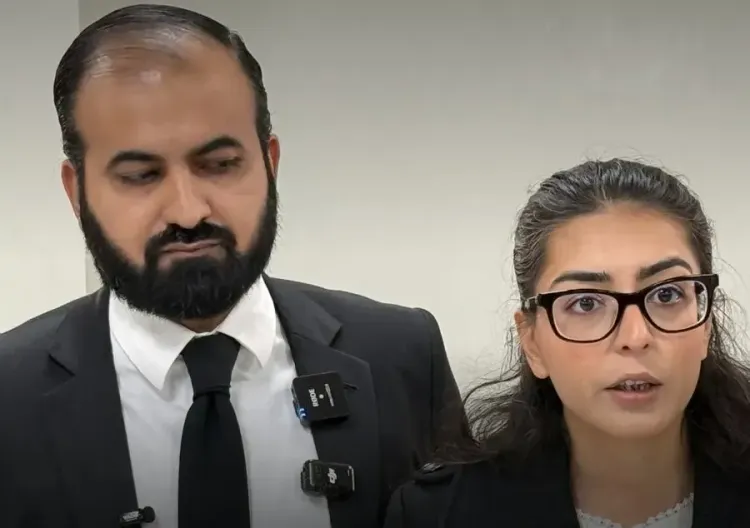
Despite Pakistan's Supreme Court granting them bail, human rights lawyers Imaan Mazari-Hazir and Hadi Ali Chattha were re-arrested within hours — and now 15 global civil society groups are demanding their release, calling the use of anti-terrorism laws against them arbitrary and a direct threat to legal advocacy in Pakistan.
Key Takeaways
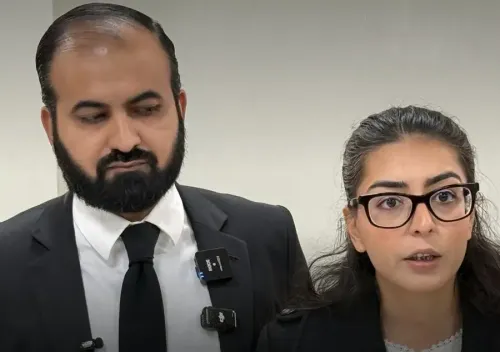
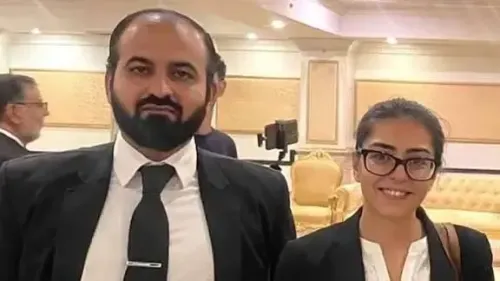
15 international civil society organisations , including FIDH and OMCT , have jointly demanded the immediate release of Pakistani lawyers Imaan Zainab Mazari-Hazir and Hadi Ali Chattha .
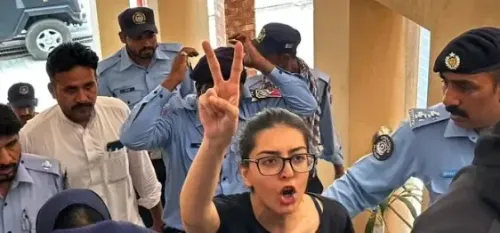
The couple were first arrested on 23 January and sentenced to 17 years in prison each, with fines of PKR 36 million each, in a case linked to social media posts.
Pakistan's Supreme Court granted them bail on 17 September , but an Islamabad anti-terrorism court re-arrested them within hours.
The coalition has called for a review of PECA and anti-terrorism legislation used against journalists, lawyers, and human rights defenders.
Rights groups are urging Pakistan to align domestic law enforcement with its obligations under the International Covenant on Civil and Political Rights (ICCPR) .
Fifteen international civil society organisations, including the International Federation for Human Rights (FIDH) and the World Organisation Against Torture (OMCT), have jointly demanded the immediate release of Pakistani human rights lawyers Imaan Zainab Mazari-Hazir and her husband Hadi Ali Chattha, who have remained in detention since January 2026 despite the country's Supreme Court suspending their sentences and granting them bail.
What the Joint Statement Demands
The coalition of 15 organisations urged Pakistani authorities to immediately free Mazari-Hazir and Chattha and ensure that any continued detention is grounded in a clear legal basis subject to independent judicial scrutiny. The groups called on the government to 'drop all charges based on the legitimate exercise of freedom of expression, peaceful assembly, human rights advocacy, and the lawful performance of their professional duties as lawyers.'
The statement further demanded that authorities 'disclose the factual and legal basis for their re-arrest and ensure rigorous judicial scrutiny of the arbitrary use of the Anti-Terrorism Act in the latest proceedings.' The organisations also called for guaranteeing the lawyers' full fair-trial rights — including access to counsel of their choosing, adequate preparation time, physical presence at hearings, and the ability to challenge prosecution evidence.
Conditions of Detention and Safety Concerns
The coalition urged Pakistani authorities to protect the safety and dignity of both lawyers while they remain in custody. This includes ensuring confidential and unrestricted access to legal counsel, appropriate medical care, family contact, and protection from torture or other ill-treatment. The organisations also called for an end to what they described as a 'pattern of reprisals, intimidation, or persecution through judicial processes' against the couple and other human rights defenders.
The Legal Tangle: Supreme Court, IHC, and Re-Arrest
Mazari-Hazir and Chattha were first arrested on 23 January and placed under 14 days' judicial remand by an anti-terrorism court (ATC). The following day, on 24 January, a District and Sessions Court sentenced each of them to 17 years in prison and fined each PKR 36 million on multiple charges linked to social media posts.
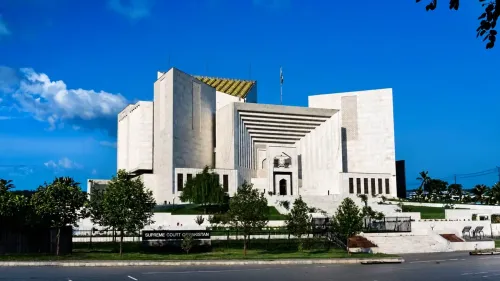
Both lawyers challenged their conviction before the Islamabad High Court (IHC) and also filed a plea requesting suspension of their sentences. With the matter still pending before the IHC, they approached the Supreme Court directly. On 17 September, the Supreme Court granted them bail — only for an Islamabad ATC to re-arrest them and place them back in judicial custody within hours. The Supreme Court bench reportedly raised questions over the IHC's conduct, noting it was 'strange' that the high court referenced the apex court's 12 May order but did not follow it, according to Pakistani daily The Express Tribune.
Broader Concerns Over Pakistani Law
The international organisations also called on Pakistani authorities to review the use of the Prevention of Electronic Crimes Act (PECA) and anti-terrorism legislation against journalists, lawyers, human rights defenders, and peaceful critics. They urged the government to bring domestic laws and enforcement practices into conformity with Pakistan's obligations under the International Covenant on Civil and Political Rights (ICCPR).
'We call on the Government of Pakistan and all relevant judicial and law-enforcement authorities to uphold Pakistan's international obligations and ensure that Imaan Mazari-Hazir and Hadi Ali Chattha are able to practise their profession and exercise their human rights without intimidation, retaliation or improper interference,' the joint statement said.
The case has drawn significant international attention as a test of judicial independence and the rule of law in Pakistan, with rights groups warning that weaponising anti-terrorism statutes against lawyers sets a dangerous precedent for legal advocacy across the country.
Point of View
The question is not just about two lawyers but about whether judicial independence is functional at all. The international pressure is significant, but history suggests Pakistan's civilian and military establishments rarely alter course on politically sensitive detentions in response to civil society statements alone. What will matter is whether Pakistan's bar associations mount a sustained domestic challenge — and whether the Supreme Court is willing to enforce its own orders.
NationPress
29 Sept 2026
Frequently Asked Questions
Who are Imaan Zainab Mazari-Hazir and Hadi Ali Chattha?
They are Pakistani human rights lawyers who were arrested on 23 January 2026 in a case linked to social media posts. Each was sentenced to 17 years in prison and fined PKR 36 million by a District and Sessions Court in Islamabad the day after their arrest.
Why are they still in detention despite the Supreme Court granting bail?
Pakistan's Supreme Court granted them bail on 17 September, but an Islamabad anti-terrorism court re-arrested them and placed them back in judicial custody within hours of the ruling. The Supreme Court bench reportedly questioned the conduct of the Islamabad High Court, which had referenced but not followed an earlier apex court order from 12 May.
Which organisations have demanded their release?
A coalition of 15 international civil society organisations issued the joint demand, prominently including the International Federation for Human Rights (FIDH) and the World Organisation Against Torture (OMCT). They called on Pakistani authorities to release the lawyers immediately and end the use of anti-terrorism statutes against human rights defenders.
What laws are being challenged in this case?
The organisations have specifically called for a review of the Prevention of Electronic Crimes Act (PECA) and anti-terrorism legislation as applied to journalists, lawyers, and peaceful critics. They have urged Pakistan to bring its laws into line with its obligations under the International Covenant on Civil and Political Rights (ICCPR).
What are the broader implications of this case for Pakistan?
Rights groups warn that using anti-terrorism statutes against lawyers representing politically sensitive clients sets a dangerous precedent for legal advocacy in Pakistan. The case is being watched internationally as a test of judicial independence, with the coalition demanding that all lawyers in Pakistan be able to practise without intimidation or retaliation.