What Led to the Resignation of Two Slovenian Ministers After a Deadly Attack?
Synopsis
The resignation of two Slovenian Ministers follows a fatal attack that has sparked a national conversation about the treatment of the Roma community in Slovenia. As tensions rise, the government faces increasing pressure to address social inclusion and public safety concerns.
Key Takeaways
Two Slovenian Ministers resigned following a fatal attack, highlighting urgent issues surrounding public safety.
A suspect from the local Roma community has been arrested.
The incident has sparked nationwide discussions on social inclusion and government accountability.
Slovenia's Roma population continues to face serious challenges despite legal protections.
Government plans include legislative amendments to improve conditions for marginalized communities.
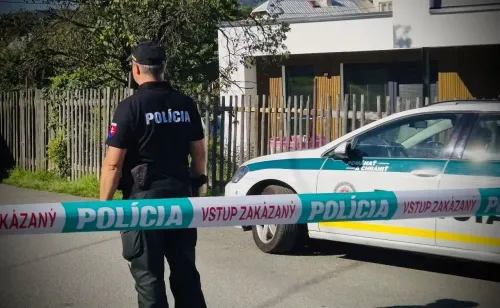
Ljubljana, Oct 27 (NationPress) In a significant political upheaval, two Slovenian Ministers have stepped down following the tragic death of a 48-year-old man, who suffered injuries from an attack in southeastern Slovenia. This incident has reignited discussions surrounding social inclusion and security policies related to the country's Roma community.
The resignation of Slovenian Interior Minister Bostjan Poklukar and Justice Minister Andreja Katic occurred on Sunday, just hours after the victim succumbed to his injuries in a hospital following the assault outside a bar in Novo Mesto on Saturday.
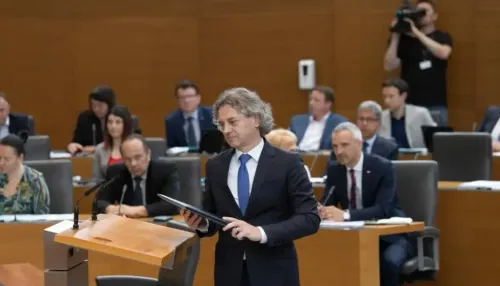
Prime Minister Robert Golob has accepted their resignations, which come just months ahead of Slovenia's general elections set for March.
As reported by police, a 20-year-old suspect from the local Roma community has been apprehended in connection with the attack.
The Roma population in Slovenia, estimated to be between 7,000 and 12,000—making up roughly 0.4 percent of the total population—mainly resides in the southeastern and northeastern regions.
Despite the protections offered under the 2007 Roma Community Act, numerous Roma settlements continue to exist informally, facing dire living conditions, minimal access to education, and high unemployment rates.
Many areas still lack basic infrastructure, including running water and electricity.
This violent incident and the resulting ministerial resignations have triggered a nationwide conversation about public safety, social cohesion, and government accountability.
Opposition leader Janez Jansa, from the center-right Slovenian Democratic Party, has called for Golob to resign, a request that Golob has dismissed, asserting that the government will soon propose legislative changes aimed at enhancing security and improving the living conditions in marginalized communities.
Gregor Macedoni, the Mayor of Novo Mesto, remarked in an online statement, "This violent event highlights the escalating issues concerning the Roma community, which we have long warned about. State institutions have failed to adopt effective measures despite the severity of the situation."
Macedoni has also organized an emergency meeting with local officials and a demonstration for Tuesday afternoon to demand government action to ensure safety in the region.
In response, Golob announced that additional police forces will be deployed to the Novo Mesto area and indicated forthcoming legal measures that were previously unthinkable, although he refrained from divulging specific details.
Analysts suggest that this incident sheds light on the ongoing challenges related to the integration of the Roma community within Slovenia’s social and economic framework. Although the government has made investments in educational and employment initiatives, progress remains sluggish due to enduring marginalization and a lack of trust within the community.
Point of View
It’s imperative to approach this situation with a focus on fact-based reporting. The resignations of the ministers underscore the urgent need for a reevaluation of policies regarding the Roma community. It is essential for the government to address both public safety and social inclusion to foster a more cohesive society.
NationPress
30 Sept 2026
Frequently Asked Questions
Why did the ministers resign?
The ministers resigned in the wake of a fatal attack on a man, which has highlighted ongoing tensions regarding the Roma community in Slovenia.
What is the government planning to do next?
The government plans to propose legislative changes aimed at enhancing security and improving conditions for marginalized communities.
How large is the Roma population in Slovenia?
The Roma population in Slovenia is estimated to be between 7,000 and 12,000, representing approximately 0.4 percent of the total population.
What are the living conditions for the Roma community?
Many Roma settlements face poor living conditions, limited access to education, and inadequate infrastructure.
What has been the public response to the attack?
The attack has ignited a nationwide debate on public safety and social integration, with calls for urgent government action.