Sahel crisis: 24 million need urgent humanitarian aid, warns UN
Synopsis
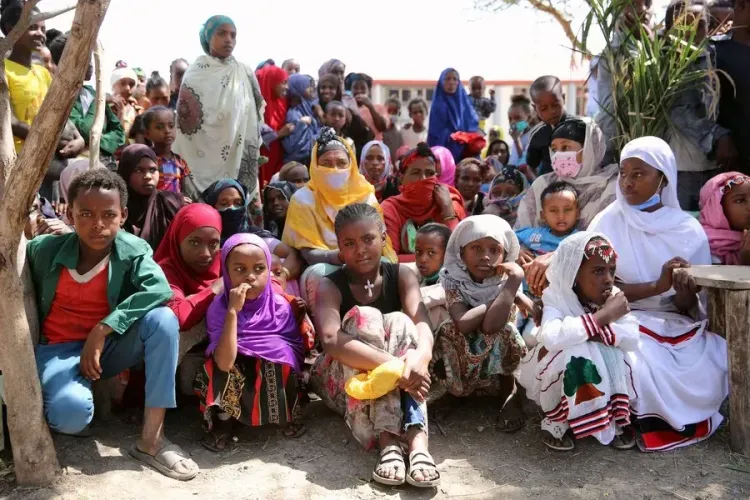
The Sahel's emergency is no longer just a security story — it is a climate one too. With 24 million people needing aid across six countries, floods displacing 590,000 in 2025, and Yemen's hunger crisis running parallel, the UN is warning of a humanitarian system stretched dangerously thin.
Key Takeaways
24 million people across the Sahel need humanitarian assistance, the UN said on 4 June 2025 .
The crisis spans Burkina Faso , Chad , Mali , Niger , northern Cameroon and northeast Nigeria .
Floods affected about 590,000 people in the Sahel in 2025; the region is warming faster than the global average.
In Yemen, nearly 5 million people faced acute food insecurity between March and May 2025, rising to 5.4 million by September.
The UN's 2026 Yemen Response Plan seeks USD 2.16 billion to reach 12 million people .
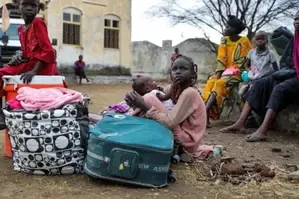
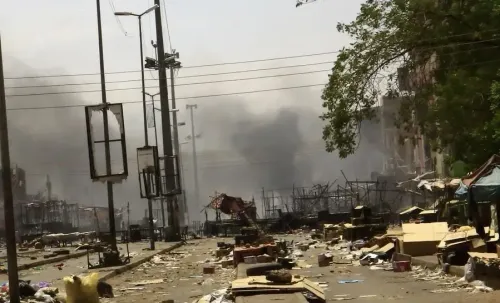
An estimated 24 million people across the Sahel region require urgent humanitarian assistance, the United Nations said on 4 June 2025, warning that conflict, displacement and climate shocks are deepening one of the world's most protracted crises. The alert was issued by Stephane Dujarric, spokesperson for the UN Secretary-General, at a daily briefing in New York.
Where the crisis is deepening
According to the latest Humanitarian Needs and Response Overview, the worsening emergency spans Burkina Faso, Chad, Mali, Niger, northern Cameroon and northeast Nigeria. Armed groups are reportedly expanding their footprint across the Central Sahel and the Lake Chad Basin, displacing communities and forcing the closure of schools and health facilities.
Climate shocks compound the conflict
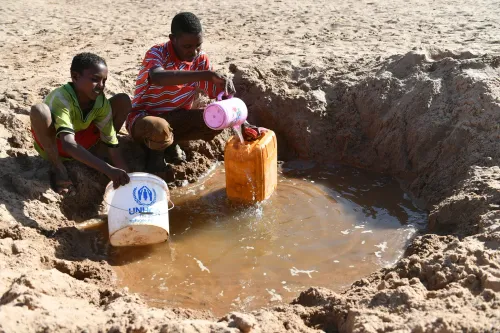
Dujarric noted that the Sahel is warming faster than the global average, layering ecological stress onto an already fragile security picture. In 2025 alone, floods affected roughly 590,000 people, while recurring droughts and advancing desertification have damaged farmland and threatened livelihoods for millions.
UN response on the ground
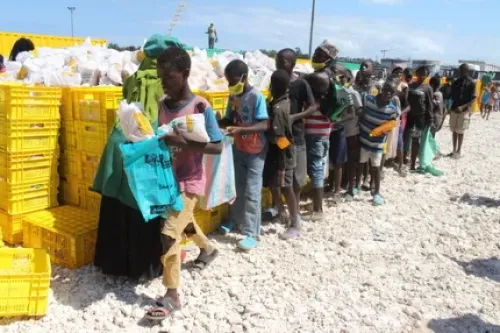
In response, the UN and its humanitarian partners are scaling up cash-assistance programmes, strengthening anticipatory action and channelling more support to local organisations. The aim, officials said, is to help vulnerable communities better absorb shocks before they escalate into full-blown emergencies.
Parallel alarm over Yemen
Dujarric also flagged a deepening food crisis in Yemen, where nearly 5 million people — one in two across 12 government-controlled areas — faced high levels of acute food insecurity between March and May 2025, according to the latest Integrated Food Security Phase Classification analysis. Between June and September, an estimated 5.4 million people in regions including Aden, Hadramawt, Marib and Taiz are projected to face acute hunger.
The Food and Agriculture Organization, the World Food Programme and UNICEF have jointly urged the international community to urgently scale up funding for food assistance, nutrition, health and resilience programming. The UN's 2026 Yemen Humanitarian Needs and Response Plan, published in March, seeks USD 2.16 billion to reach 12 million people. Without immediate, sustained action, agencies warned, millions risk falling deeper into hunger, malnutrition and irreversible livelihood loss.
Point of View
Not just emergency appeals. The parallel alarm on Yemen underscores a harder truth: donor fatigue is colliding with multiplying crises, and the UN's funding gaps are widening even as needs scale. Without predictable, multi-year financing tied to local delivery capacity, these annual warnings risk becoming ritual.
NationPress
18 Oct 2026
Frequently Asked Questions
How many people need humanitarian aid in the Sahel?
Around 24 million people across the Sahel region require humanitarian assistance, according to the UN's latest Humanitarian Needs and Response Overview released on 4 June 2025. The affected countries include Burkina Faso, Chad, Mali, Niger, northern Cameroon and northeast Nigeria.
Why is the Sahel humanitarian crisis worsening?
The crisis is deepening due to a combination of spreading armed-group violence, mass displacement and accelerating climate shocks. The Sahel is warming faster than the global average, and floods in 2025 alone affected roughly 590,000 people, on top of recurring droughts and desertification.
What is the UN doing in response?
The UN and its humanitarian partners are expanding cash-assistance programmes, strengthening anticipatory action and increasing support to local organisations. The focus is on helping communities cope with shocks before they escalate into full-scale emergencies.
How severe is the food crisis in Yemen?
Nearly 5 million people — one in two across 12 government-controlled areas of Yemen — faced acute food insecurity between March and May 2025. That figure is projected to rise to 5.4 million between June and September, according to the latest IPC analysis.
How much funding has the UN sought for Yemen in 2026?
The UN's 2026 Yemen Humanitarian Needs and Response Plan, released in March, seeks USD 2.16 billion to deliver life-saving assistance to 12 million people across the country.