Nigeria hunger crisis 2025: 35 million face acute food insecurity this lean season
Synopsis
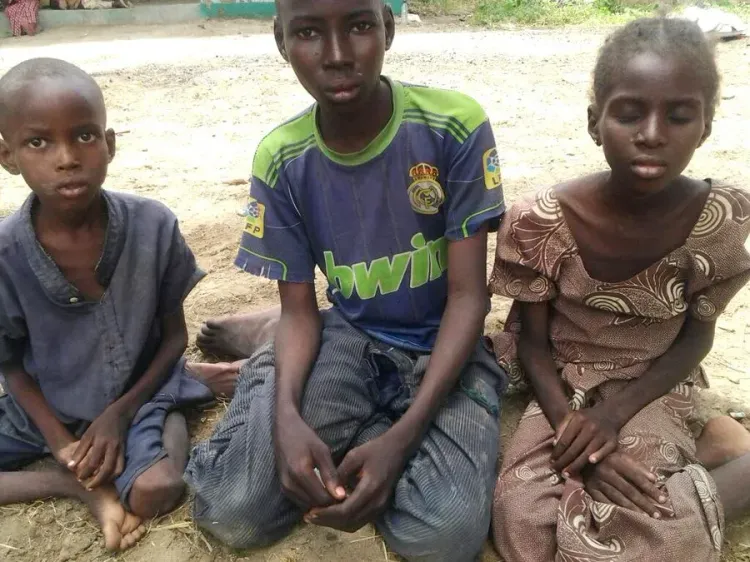
With 35 million Nigerians projected to face acute food insecurity between June and August, and a $516 million emergency plan barely 40 per cent funded, the UN is warning that the window to prevent a catastrophic lean season is closing fast — and northern Nigeria's children are most at risk.
Key Takeaways
35 million people — nearly one in seven Nigerians — are projected to face acute food insecurity during the June–August 2025 lean season.
6.4 million children in northwest and northeast Nigeria are estimated to be acutely malnourished this year.
The $516 million Humanitarian Needs and Response Plan is only 40 per cent funded , with $215 million received.
Conflict, violence, and economic pressures are identified as the primary drivers, with northern Nigeria bearing the heaviest burden.
UN Secretary-General António Guterres called for immediate ceasefires in Sudan , eastern DRC , and South Sudan , and warned that Strait of Hormuz disruptions threaten African food and fuel supply chains.
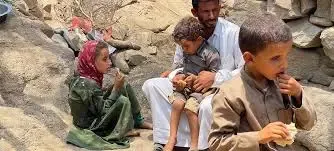
Nearly 35 million people across Nigeria — roughly one in seven of the country's population — are projected to face acute food insecurity during the June–August 2025 lean season, the UN Office for the Coordination of Humanitarian Affairs (OCHA) warned on 23 May. Conflict, violence, and a severe funding shortfall are pushing Nigerian families to the edge of a humanitarian emergency that ranks among the world's largest active hunger crises.
Scale of the Crisis
OCHA's UN Humanitarian Country Team in Nigeria described the situation as one of the worst lean seasons on record, with the burden falling 'overwhelmingly on northern Nigeria.' The agency warned that if assistance is further delayed, millions of families will be forced to reduce meals, sell household assets, and pull children out of school.
Acute malnutrition is also expected to peak during the same period. Across northwest and northeast Nigeria, an estimated 6.4 million children are likely to be acutely malnourished in 2025 — a figure that humanitarian officials described as deeply alarming.
Funding Gap Threatens Response
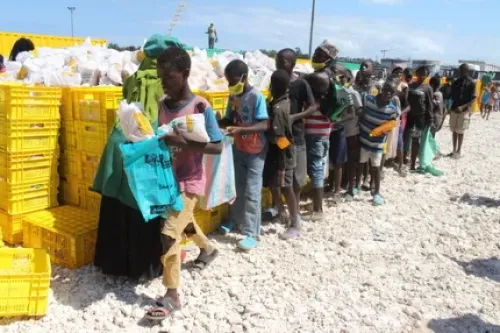
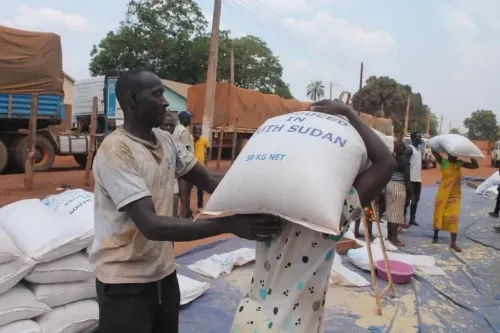
The $516 million Humanitarian Needs and Response Plan — already described by OCHA as 'hyper-prioritised' — is only 40 per cent funded, with just $215 million received to date. The UN and its humanitarian partners are urgently appealing for additional resources to scale up life-saving operations.
'Resources from the Nigeria Humanitarian Fund have jump-started the response, but more is needed to meet immediate life-saving humanitarian needs,' OCHA said in its statement. Economic pressures and unprecedented funding constraints are compounding the impact of ongoing conflict and insecurity across the country's north.
Guterres Calls for Urgent Global Action on Africa
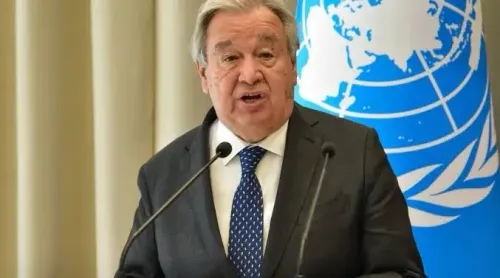
The Nigeria warning comes as UN Secretary-General António Guterres called on the international community to act swiftly on conflicts and climate shocks affecting African nations. Speaking to journalists in Nairobi, the Kenyan capital, Guterres called for the immediate cessation of hostilities in Sudan, eastern Democratic Republic of the Congo, and South Sudan.
Guterres warned that terrorism, climate stress, hunger, and poverty are 'devastating the Sahel region,' stressing that lasting peace requires dialogue, international cooperation, and stronger local institutions. He also flagged that the closure of the Strait of Hormuz poses a direct threat to African stability, noting that 13 per cent of the continent's imports — primarily oil and fertilisers — pass through the waterway.
'That is why de-escalation is urgent. Navigational rights and freedoms must be restored. The Strait of Hormuz must reopen fully and safely,' Guterres said, urging all parties to refrain from actions that could widen the conflict.
Systemic Inequities in Focus
Guterres also criticised the continued exclusion of Africa from a permanent seat on the UN Security Council, stating that the UN will push for a fairer international system that gives Africa stronger representation and more equitable access to resources. He noted that four in five African countries are net oil importers, making prolonged global supply chain disruptions especially damaging to their economic stability.
With the lean season weeks away and funding critically short, humanitarian agencies say the window to prevent the worst outcomes is narrowing rapidly.
Point of View
The cost of inaction will be measured in lives — and in a generation of children withdrawn from school, with consequences that will outlast the current crisis by decades.
NationPress
20 Sept 2026
Frequently Asked Questions
How many people in Nigeria are at risk of hunger in 2025?
According to OCHA, nearly 35 million people — approximately one in seven Nigerians — are likely to face acute food insecurity during the June–August 2025 lean season. The crisis is concentrated in northern Nigeria, where conflict and insecurity are most severe.
Why is Nigeria facing such a severe food crisis?
The crisis is driven by a combination of ongoing conflict and violence, particularly in northern Nigeria, alongside economic pressures and an unprecedented shortfall in humanitarian funding. These factors are compounding each other, leaving millions of families with few coping options.
How many children face malnutrition in Nigeria in 2025?
An estimated 6.4 million children across northwest and northeast Nigeria are projected to be acutely malnourished in 2025, according to OCHA. Acute malnutrition is expected to peak during the June–August lean season.
How much funding has the Nigeria humanitarian response received?
The Humanitarian Needs and Response Plan for Nigeria is valued at $516 million , but as of late May 2025 only about $215 million — just over 40 per cent — has been received. The UN is urgently appealing for additional contributions to close the gap.
What did UN Secretary-General Guterres say about Africa's crises?
Speaking in Nairobi, Guterres called for immediate ceasefires in Sudan, eastern DRC, and South Sudan, and warned that terrorism, climate stress, and poverty are devastating the Sahel. He also flagged that disruptions to the Strait of Hormuz threaten the 13 per cent of African imports — mainly oil and fertilisers — that pass through the waterway.