Somalia famine risk 2025: UN warns 6 million face acute food crisis
Synopsis
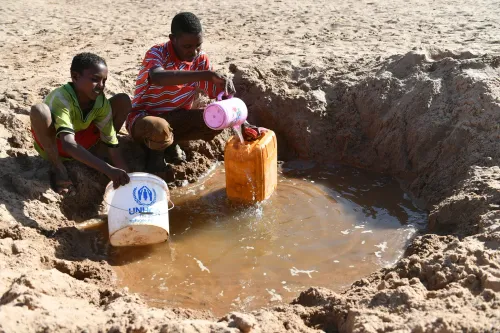
For the first time since 2022, Somalia is formally at risk of famine — and the numbers behind that warning are stark. Six million people face acute food insecurity, 493,000 children are severely malnourished, and nearly 90% of those in need are getting little or no aid. The UN says there is a narrow window to act. Whether donors respond fast enough will decide the outcome.
Key Takeaways
6 million Somalis — nearly a third of the population — face acute food insecurity through June 2025 , per the latest IPC report.
This is the first time since 2022 that Somalia faces formal famine risk, centred on Burhakaba district in Southwest State .
1.9 million children are affected, with 493,000 facing severe malnutrition and a significantly elevated mortality risk.
Nearly 90 per cent of people in need are currently receiving little or no humanitarian support, amid severely constrained resources.
The crisis is compounded by drought, conflict, displacement, and disrupted supply routes linked to Middle East instability and the Strait of Hormuz .
UN humanitarian coordinator George Conway says there is a 'narrow but critical window' of weeks to prevent famine through scaled-up action.
Four major United Nations relief agencies have issued an urgent call for a rapid scale-up of life-saving humanitarian assistance in Somalia, warning that the country faces its gravest food security emergency since 2022. According to the latest Integrated Food Security Phase Classification (IPC) report released on Thursday, 15 May 2025, an estimated 6 million people — nearly a third of Somalia's population — are currently experiencing high levels of acute food insecurity through June 2025.
Scale of the Crisis
The agencies — the Food and Agriculture Organization (FAO), the Office for the Coordination of Humanitarian Affairs (OCHA), the UN Children's Fund (UNICEF), and the World Food Programme (WFP) — jointly issued the plea, as confirmed by Farhan Haq, deputy spokesperson for UN Secretary-General Antonio Guterres, on Friday. The 6 million figure represents an increase of more than half a million people compared to earlier projections, underscoring how rapidly conditions have deteriorated.
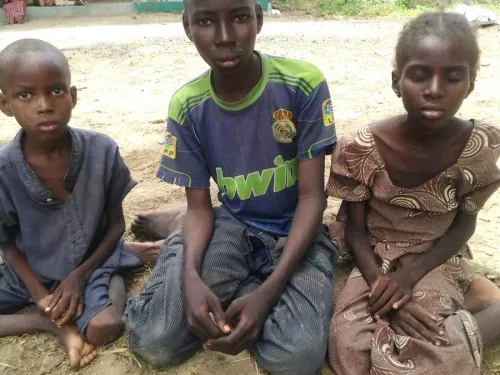
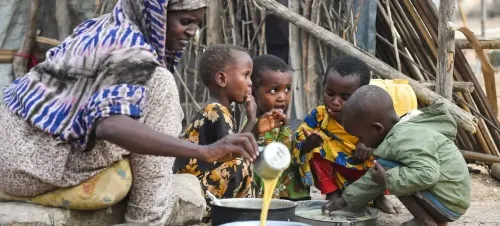
Of those affected, 1.9 million are children, with 493,000 facing severe malnutrition. The updated IPC analysis projects that nearly 1.88 million children will require treatment for acute malnutrition in 2026 — 42,000 more than previously forecast. Without urgent intervention, severely malnourished children face a significantly higher risk of mortality, according to the report.
Famine Risk in Burhakaba District
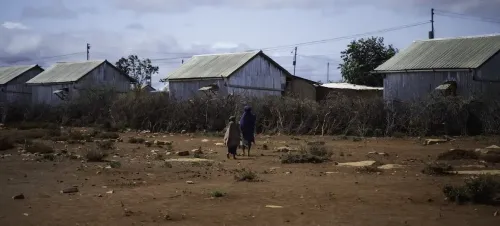
This is the first time since 2022 that Somalia has been formally identified as being at risk of famine. The IPC has flagged Burhakaba district in the Bay region of Southwest State as the most critical flashpoint, where acute malnutrition has reached extremely critical levels and famine could emerge under a plausible worst-case scenario unless assistance is urgently scaled up.
'This is also the first time since 2022 that Somalia is at risk of famine — in Burhakaba district, in Southwest State,' Haq said. 'In 2022, famine was averted through massively scaled-up and sustained humanitarian interventions in the aftermath of the longest drought on record.'
Multiple Shocks Driving the Emergency
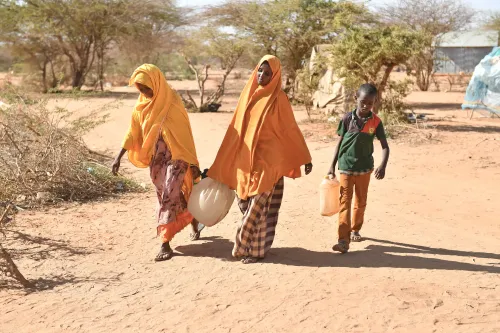
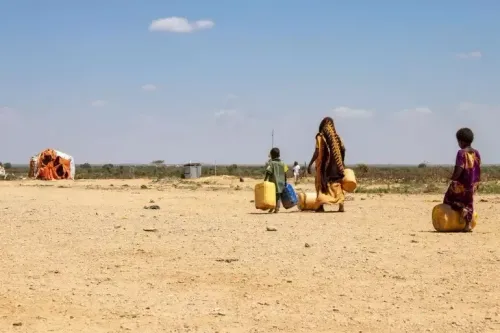
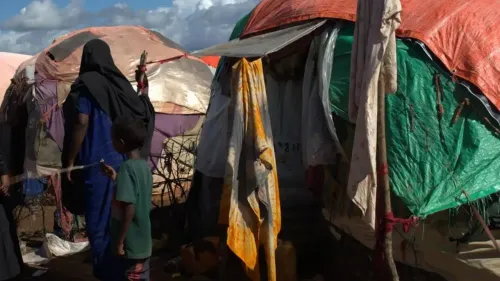
The worsening crisis is being driven by a convergence of factors: recurring severe drought, armed conflict, mass displacement, rising commodity costs, and sharply shrinking international aid budgets. The IPC report also highlights that global economic disruptions linked to instability around the Strait of Hormuz and the broader Middle East crisis have disrupted supply routes, making humanitarian operations increasingly difficult and expensive.
Notably, this compounding of climate and geopolitical shocks represents a new and more complex emergency than Somalia has faced in previous cycles — one where external factors beyond the country's borders are directly worsening conditions on the ground.
Response and the Window to Act
Humanitarian assistance is reportedly being scaled up in the most at-risk areas, but resources remain severely constrained. According to OCHA, George Conway, the UN humanitarian coordinator in Somalia, warned that nearly 90 per cent of people in need are currently receiving little or no support, and that there is 'a narrow but critical window of opportunity in the coming weeks to prevent famine through rapid and expanded humanitarian action.'
The situation draws a direct parallel to 2022, when a sustained international response ultimately averted famine. Whether that response can be replicated — given today's tighter donor budgets and more complex logistics — will determine the outcome in the weeks ahead.
Point of View
Only deferred. What is new and alarming this time is the external compounding factor: Middle East instability disrupting supply chains in the Horn of Africa, a variable that no amount of domestic Somali policy can fix. With donor budgets under pressure globally, the UN's warning of a 'narrow window' is not rhetorical — it is a countdown. The real accountability question is whether the same international community that averted famine in 2022 has the political will to do so again when the fiscal environment is far less forgiving.
NationPress
21 Sept 2026
Frequently Asked Questions
How many people are affected by the food crisis in Somalia in 2025?
According to the latest IPC report released on 15 May 2025, approximately 6 million people in Somalia — nearly a third of the population — are facing high levels of acute food insecurity through June 2025. This is more than half a million people above earlier projections.
Is Somalia at risk of famine in 2025?
Yes. For the first time since 2022, Somalia has been formally identified as facing famine risk, specifically in the Burhakaba district of the Bay region in Southwest State. The IPC warns famine could emerge under a worst-case scenario without urgent humanitarian action.
How many children are at risk of malnutrition in Somalia?
An estimated 1.9 million children are among those facing acute food insecurity, with 493,000 facing severe malnutrition. The IPC projects that nearly 1.88 million children will require treatment for acute malnutrition in 2026 — 42,000 more than previously forecast.
What is causing the food crisis in Somalia?
The crisis is driven by a combination of recurring severe drought, armed conflict, mass displacement, rising commodity costs, and shrinking international aid. It is further worsened by global supply chain disruptions linked to instability around the Strait of Hormuz and the broader Middle East crisis.
What are UN agencies doing to address the Somalia famine risk?
The FAO, OCHA, UNICEF, and WFP have jointly called for an urgent scale-up of humanitarian assistance. Aid is reportedly being increased in the most at-risk areas, but resources are severely constrained, with nearly 90 per cent of people in need currently receiving little or no support. UN humanitarian coordinator George Conway has described the coming weeks as a 'narrow but critical window' to prevent famine.