Belgium austerity protests: 50,000 march in Brussels
Synopsis
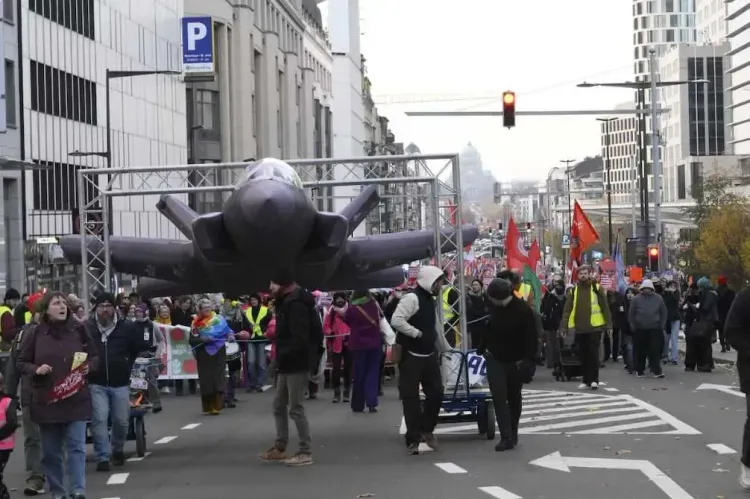
Around 50,000 people marched in Brussels against austerity and declining purchasing power, bringing students, workers and pensioners together as Belgium's federal budget talks remain deadlocked.
Key Takeaways
Around 50,000 people marched in Brussels on 23 November in a demonstration called by Belgium's three main trade unions.
Roughly 3,200 students joined an earlier 17 November protest organised by the FEF .
Lenaik Dumont warned that tuition, housing and living costs were undermining equal opportunity.
The European Commission projects Belgium's 2026 deficit at 5.2% of GDP and public debt at 111.2% of GDP.
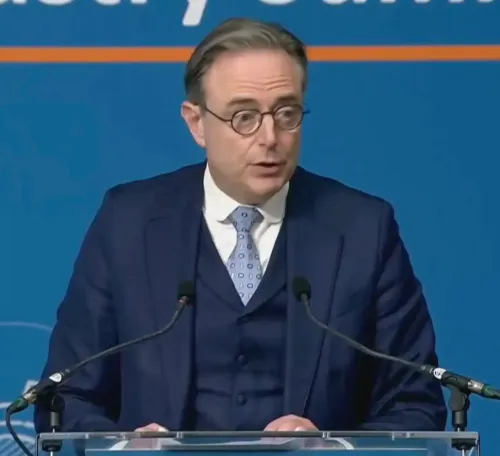
Prime Minister Bart De Wever warned that his government could not govern without a budget agreement before provisional spending measures take effect.
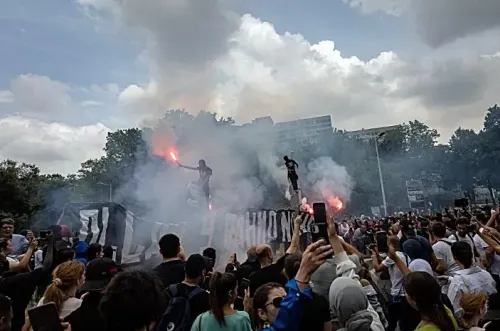
Belgium austerity protests drew around 50,000 people to the streets of Brussels on Monday, 23 November, as workers, students and pensioners opposed federal spending cuts and declining purchasing power. The nationwide demonstration, called by the country's three main trade unions, came as anger over higher education reforms broadened opposition to the government's policies.
Youth and civil society organisations also joined the march, according to reports. Their participation brought education concerns into a wider mobilisation over the cost of living and public spending.
Unions and students join opposition to cuts
The union-led demonstration followed a series of student protests, including a 17 November march organised by the French-speaking Students' Federation (FEF). Roughly 3,200 secondary school and university students took part in that earlier demonstration.
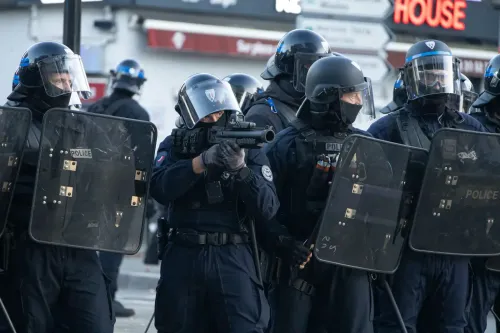
The student march briefly turned violent in central Brussels, where police used water cannon and tear gas to clear roadblocks. The subsequent nationwide rally brought together groups whose concerns extend beyond education, including workers and pensioners.
General Labour Federation of Belgium (FGTB) general secretary Selena Carbonero Fernandez said unions were pursuing a “convergence of struggles” to demonstrate broad public anger. The phrase reflects the unions' effort to bring different groups into the same campaign against the government's approach.
Education costs and access concerns
In French-speaking Belgium, university tuition fee increases have raised fears that higher education could become unaffordable for students from middle- and lower-income households. In Dutch-speaking Flanders, tighter eligibility rules for student grants have prompted similar concerns about equal access.
FEF president Lenaik Dumont warned that rising tuition, housing and living costs were undermining equal opportunity. The concerns cover both the price of attending university and the financial support available to students, although the measures differ between the country's language communities.
Budget pressure behind the dispute
The demonstrations come as Belgium faces fiscal strain. The European Commission projects a 2026 budget deficit of 5.2% of GDP and public debt of 111.2% of GDP, with the country under European Union corrective procedures until 2029.
Those projections form the backdrop to the dispute over spending cuts, while protesters have raised concerns about purchasing power and access to education. The mobilisation illustrates how federal budget decisions and education policies are drawing opposition from different parts of society.
Federal budget talks remain deadlocked
Federal budget negotiations remain at an impasse. Prime Minister Bart De Wever, whose earlier offer to resign was declined by the king, warned on Monday that his administration would be unable to govern if no budget agreement were reached before provisional spending measures take effect.
The source did not specify when those provisional measures would begin or detail the next round of talks. Attention will now turn to whether the parties can reach a budget agreement as opposition to austerity continues.
Frequently Asked Questions
Why did people march in Brussels against austerity?
Around 50,000 people marched against federal austerity measures and declining purchasing power. Students also raised concerns about higher education costs and access.
Who organised the Belgium austerity protest?
Belgium's three main trade unions called the nationwide demonstration. Workers, pensioners, students, and youth and civil society organisations joined the rally.
Why are students protesting education reforms in Belgium?
Students are concerned that tuition increases and tighter grant eligibility could restrict access to higher education. The concerns relate to French-speaking Belgium and Dutch-speaking Flanders respectively.
What happened during the earlier Brussels student march?
Roughly 3,200 secondary school and university students joined a march organised by the FEF on 17 November. Police used water cannon and tear gas to clear roadblocks after the protest briefly turned violent in central Brussels.
What happens next in Belgium's budget talks?
Federal budget talks remain deadlocked, and no date for an agreement was specified. Prime Minister Bart De Wever warned that his government could not govern without a deal before provisional spending measures take effect.