France protests: Workers, unions demand higher wages amid budget crisis
Synopsis
France's streets erupted on 5 November as a rare coalition of workers, trade unions, students and yellow vest activists marched together — triggered by student grievances but now fuelled by a full-blown cost-of-living crisis and a parliament that just rejected its own budget. With 70,000 security personnel deployed and violence a live risk, this is France's most volatile protest moment in years.
Key Takeaways
Hundreds of workers, trade unionists, students and yellow vest activists protested across France on 5 November 2026 .
French lawmakers rejected the first part of the 2027 budget bill ahead of the protests; the bill now heads to the Senate for a vote on 9 December .
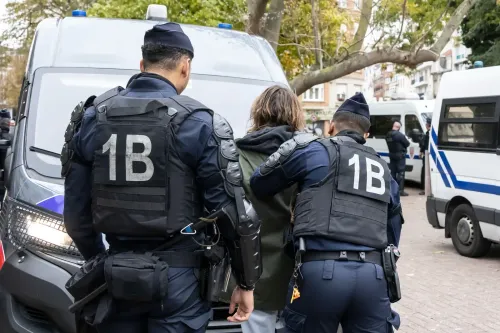
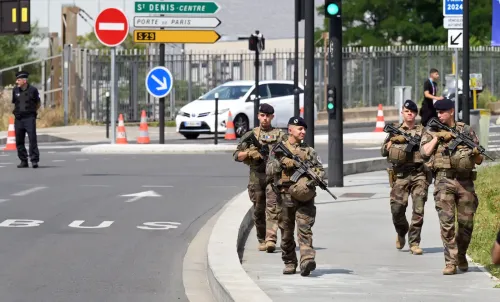
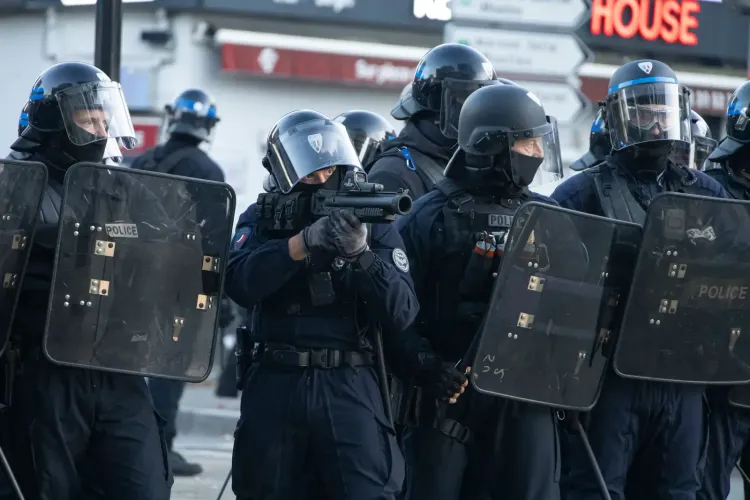
Over 70,000 law enforcement personnel were deployed, as confirmed by Interior Minister Laurent Nunez .
Authorities rerouted the unions' planned Paris march after violent incidents on 17–18 October .
Trade unions and rights groups have alleged excessive policing and authoritarian restrictions on demonstrations.
Protests originally began in September over overcrowded classrooms and teacher shortages before expanding to cost-of-living and fuel price grievances.
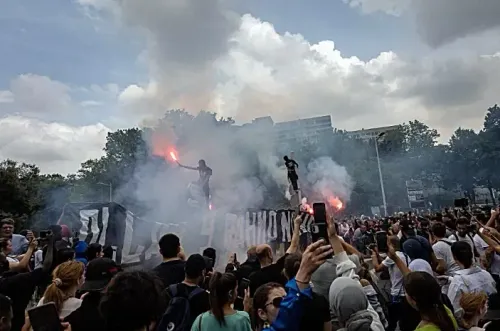
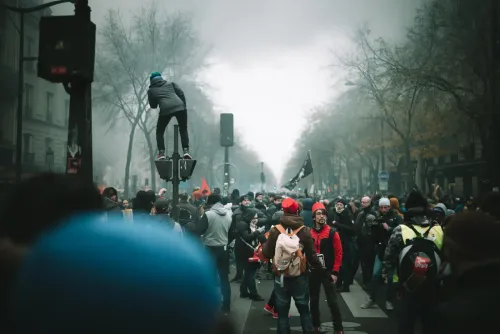
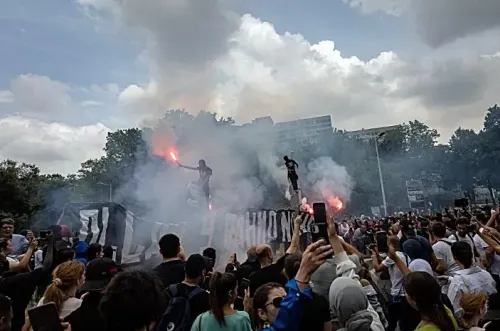
Hundreds of workers, trade union members, students, and yellow vest activists took to the streets across France on Thursday, 5 November 2026, in a major wave of protests demanding higher wages and backing student movements against deteriorating conditions in schools and universities. The demonstrations come at a politically volatile moment, with French lawmakers having recently rejected the first part of the 2027 budget bill.
Key Developments
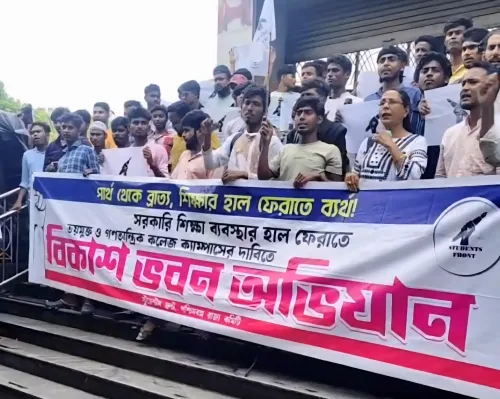
The protests drew participation from multiple sections of French society — trade unions, students, and the yellow vest movement — forming one of the broadest coalitions of demonstrators seen in recent weeks. Workers and unions marched in support of student grievances that first erupted in September, when high schoolers began demonstrating against overcrowded classrooms, teacher shortages, and barriers to university admissions. Those demands have since widened to encompass the broader cost-of-living crisis and rising fuel prices.
The timing is significant: French lawmakers rejected the first part of the 2027 budget bill ahead of Thursday's marches. The government's original budget proposal has now been forwarded to the Senate, where a vote is scheduled for 9 December. A parliamentary committee is subsequently expected to attempt a compromise before the legislation returns to the National Assembly.
Security Deployment and Restrictions
French Interior Minister Laurent Nunez announced that over 70,000 law enforcement personnel would be deployed on Thursday, stating that the 'primary mission' of security forces was to ensure protests took place 'peacefully' and without incidents.
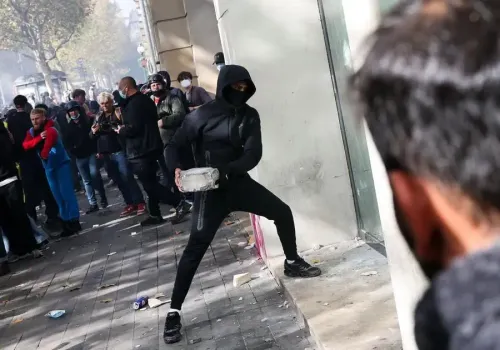
Nunez also disclosed that intelligence services had identified 'considerable interest' from far-left movements and violent protest groups, with what he described as 'several possible aims: taking part in them to provoke unrest; organising unauthorised marches; and carrying out looting and vandalism targeting businesses or public buildings.'
French authorities imposed restrictions on the trade unions' originally proposed protest route in Paris, granting permission for an alternative route instead. The decision follows violent incidents on 17–18 October, when looting and violence disrupted otherwise peaceful demonstrations.
Allegations of Excessive Force
Trade unions and rights groups have pushed back sharply against what they describe as excessive policing and authoritarian restrictions on protest. French police have also faced separate allegations of using disproportionate force against demonstrators, adding a civil-liberties dimension to an already combustible situation.
What Happens Next
With the budget deadlock unresolved and union-student alliances strengthening, analysts say the unrest is unlikely to subside quickly. The 9 December Senate vote and the subsequent parliamentary negotiations will be a critical test of Prime Minister's government's ability to manage both fiscal pressure and street-level discontent simultaneously. Any further escalation in protests could complicate those negotiations significantly.
Point of View
Moving the movement beyond symbolic marches toward a direct confrontation with fiscal policy. The government's decision to reroute the Paris protest and deploy 70,000 personnel signals deep anxiety in Paris, but restrictions on protest routes risk inflaming civil liberties concerns and lending credibility to union claims of authoritarianism. If the Senate vote in December triggers further rejections, France could face a prolonged cycle of street action and legislative paralysis that no compromise committee can easily contain.
NationPress
5 Nov 2026
Frequently Asked Questions
Why are workers protesting in France in November 2026?
Workers, trade unions, students and yellow vest activists are protesting to demand higher wages and to express solidarity with students who have been demonstrating since September against overcrowded classrooms, teacher shortages and university admission barriers. The movement has since broadened to include anger over the cost-of-living crisis and rising fuel prices.
What happened to France's 2027 budget bill?
French lawmakers rejected the first part of the 2027 budget bill ahead of the 5 November protests. The government's budget proposal has now been sent to the Senate, where a vote is scheduled for 9 December, after which a parliamentary committee will attempt to broker a compromise before it returns to the National Assembly.
How many security personnel were deployed for the France protests?
French Interior Minister Laurent Nunez confirmed that over 70,000 law enforcement personnel were deployed on 5 November to manage the protests. He said their primary mission was to ensure demonstrations remained peaceful and without incidents.
Why were protest routes restricted in Paris?
French authorities imposed restrictions on the trade unions' originally proposed march route in Paris, citing security concerns following violent incidents on 17–18 October, when looting and violence occurred during otherwise peaceful demonstrations. Unions were permitted to use an alternative route instead.
What have trade unions said about police conduct?
Trade unions and rights groups have criticised what they describe as excessive policing and authoritarian measures used to restrict protests. French police have separately faced allegations of using disproportionate force against demonstrators, raising civil liberties concerns alongside the economic and political grievances driving the unrest.