Eiffel Tower shut as France nationwide strike draws 270,000 protesters
Synopsis
The Eiffel Tower shut its doors and 270,000 people took to the streets across France on 5 November as a nationwide strike fused student anger over education failures with union fury over wages and soaring costs — all set against a government reeling from a parliamentary rejection of its own budget bill.
Key Takeaways
The Eiffel Tower was closed on 5 November due to a nationwide strike in France .
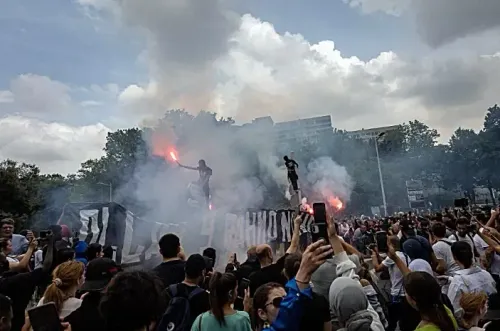
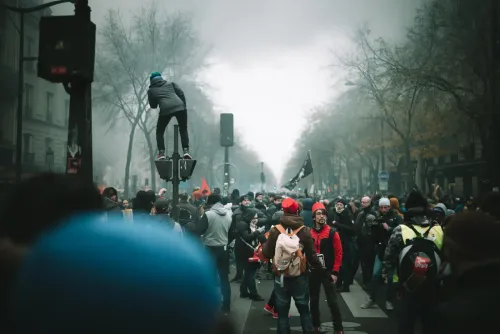
By 1 pm local time , an estimated 270,000 demonstrators had gathered at 180 protest sites across the country, excluding Paris.
15.81 per cent of teachers and nearly 10 per cent of state civil servants participated in the strike.
Nearly 33 per cent of higher education institutions were disrupted, affecting 60 of 184 institutions nationwide.
The unrest followed the National Assembly's rejection of the first part of the 2027 budget bill ; a Senate vote is set for 9 December .
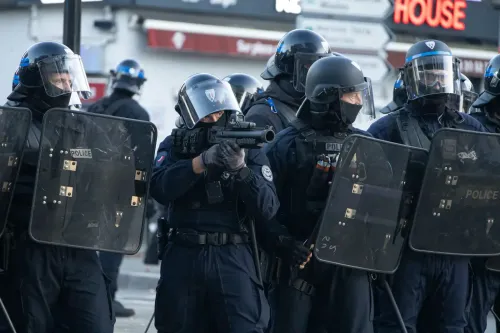
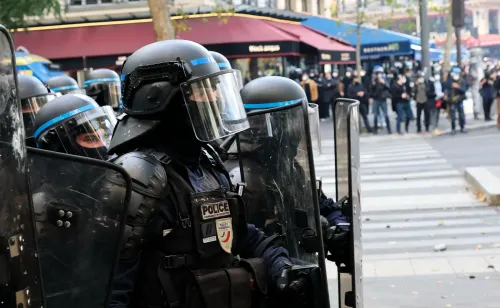
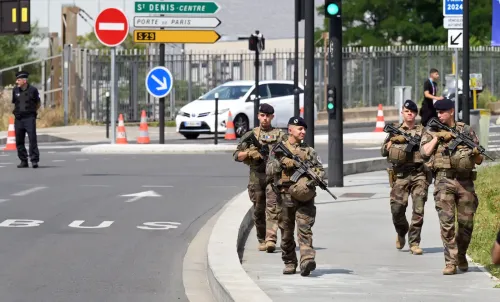
Over 70,000 law enforcement personnel were deployed; Interior Minister Laurent Nunez flagged threat of far-left and violent groups.
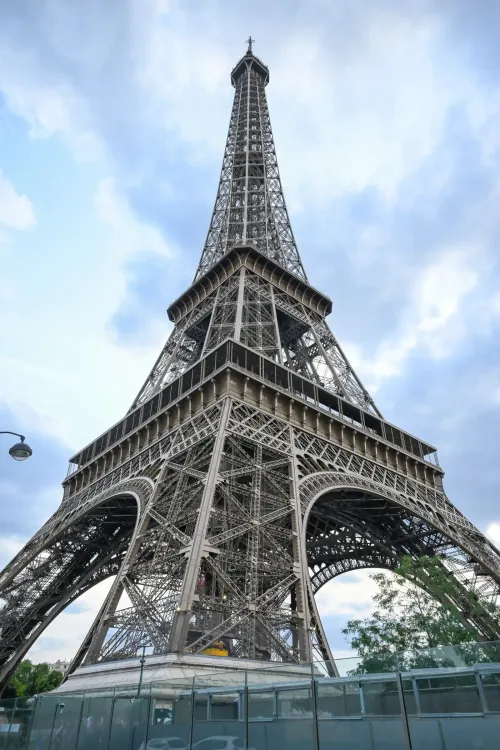
The Eiffel Tower was closed to visitors on Thursday, 5 November as a nationwide strike swept across France, drawing an estimated 270,000 demonstrators at 180 protest sites across the country by 1 pm local time, according to sources cited by French television channel BFM TV. The closure was confirmed by the landmark's official website, which stated: 'Due to the nationwide strike, the Eiffel Tower is closed today.'
Scale of the Strike
The walkout cut across multiple sectors of French public life. According to figures released by the French Ministry of National Education, 15.81 per cent of teachers participated in Thursday's strike. Simultaneously, nearly 33 per cent of higher education institutions were disrupted as of midday, affecting 60 of the country's 184 institutions. In the state civil service, close to 10 per cent of employees took part in the strike over salary grievances and purchasing power concerns, the Ministry of Public Action and Accounts reported.
Political Backdrop: Budget Rejection
The intensified protests follow a significant parliamentary setback for the French government. Lawmakers in the National Assembly rejected the first part of the 2027 budget bill, pushing the government's original proposal to the Senate, where a vote is scheduled for 9 December. A parliamentary committee is expected to attempt a compromise before the legislation returns to the National Assembly for a fresh vote. The budget dispute has deepened public frustration over economic management, adding momentum to what had already been a weeks-long protest cycle.
How the Movement Grew
The unrest began in September with student demonstrations over overcrowded classrooms, teacher shortages, and university admission difficulties. Trade unions subsequently broadened the movement, channelling anger over the cost of living crisis and rising fuel prices into organised marches. The convergence of student grievances and union demands has given the protests an unusually wide coalition, making it harder for the government to isolate or dismiss any single thread of discontent.
Security Deployment and Threat Assessment
French Interior Minister Laurent Nunez confirmed that over 70,000 law enforcement personnel were deployed across the country on Thursday. He described the 'primary mission' of security forces as ensuring protests remained 'peaceful' and free of incidents. Nunez also said intelligence services had identified 'considerable interest' from far-left factions and violent protest groups, with possible aims including 'provoking unrest, organising unauthorised marches, and carrying out looting and vandalism targeting businesses or public buildings.'
What Comes Next
With the Senate vote on the budget bill set for 9 December, France faces weeks of continued political uncertainty. The outcome of that vote — and whether a parliamentary compromise is achievable — will likely determine whether protests ease or escalate further heading into the new year.
Point of View
Union amplification, government paralysis — but the budget rejection adds a structural dimension that is harder to manage. When parliament itself refuses to pass the government's fiscal plan, street pressure and legislative gridlock reinforce each other, leaving little room for de-escalation. The 9 December Senate vote is now a pressure valve: a failed compromise will almost certainly push demonstrators back onto the streets in larger numbers. What is striking is that the coalition protesting spans students, teachers, civil servants and trade unions — an unusually broad front that the government cannot address with a single concession.
NationPress
6 Nov 2026
Frequently Asked Questions
Why was the Eiffel Tower closed on 5 November 2026?
The Eiffel Tower was closed on 5 November 2026 because of a nationwide strike in France. The landmark's official website confirmed the closure, stating: 'Due to the nationwide strike, the Eiffel Tower is closed today.'
How large were the France protests on 5 November?
By 1 pm local time, an estimated 270,000 demonstrators had gathered at 180 protest sites across France, excluding Paris, according to sources cited by BFM TV. The figures covered both student demonstrators and trade union marchers.
What triggered the nationwide strike in France?
The protests began in September with student demonstrations over overcrowded classrooms, teacher shortages and university admission problems. Trade unions later joined, broadening the movement into a wider strike against the cost of living crisis and rising fuel prices. A parliamentary rejection of the 2027 budget bill further intensified public anger.
What is the status of the French government's 2027 budget bill?
The National Assembly rejected the first part of the 2027 budget bill, pushing the proposal to the Senate where a vote is scheduled for 9 December. A parliamentary committee will attempt a compromise before the legislation is presented again in the National Assembly.
How many security forces were deployed during the France strike?
French Interior Minister Laurent Nunez confirmed that over 70,000 law enforcement personnel were deployed on Thursday. He flagged intelligence warnings about far-left factions and violent groups potentially seeking to provoke unrest, organise unauthorised marches, or carry out looting and vandalism.