USS Abraham Lincoln deployment: 8 Navy sailors attempted suicide, acting secretary reveals
Synopsis
Eight sailors attached to the USS Abraham Lincoln Carrier Strike Group attempted suicide during deployment — a figure the acting Navy secretary confirmed in a letter to a senior senator. The disclosure directly contradicts the Trump administration's earlier dismissal of reports about deteriorating conditions aboard the carrier as 'fake news', and puts the Pentagon under fresh congressional fire over service-member welfare.
Key Takeaways
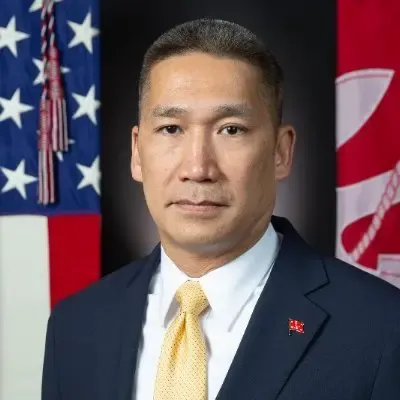
Acting Navy Secretary Hung Cao confirmed eight suicide attempts across the USS Abraham Lincoln Carrier Strike Group during its deployment, in a 22 September letter to Senator Kirsten Gillibrand .
One sailor attempted to go overboard in March and was stopped by shipmates; details on the other seven attempts were not released.
Senator Gillibrand accused President Donald Trump and Defence Secretary Pete Hegseth of having dismissed earlier reports of poor conditions as 'fake news'.
The disclosure followed an August letter from Gillibrand and 14 other senators to Hegseth demanding transparency on sailor welfare and deployment conditions.
The Pentagon and White House had not provided an updated response to Gillibrand's criticism as of the material released by her office.
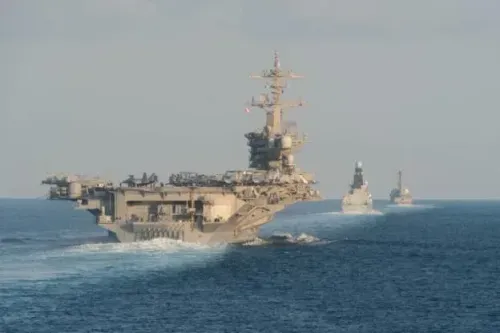
Acting US Navy Secretary Hung Cao has confirmed that eight service members assigned to the USS Abraham Lincoln Carrier Strike Group attempted suicide during the vessel's deployment, in a disclosure that has reignited a sharp political battle over sailor welfare and Pentagon leadership. Cao made the revelation in a 22 September letter to Senator Kirsten Gillibrand, a senior member of the Senate Armed Services and Intelligence committees.
What the Acting Navy Secretary Disclosed
'Since the beginning of Lincoln's deployment, there have been a total of eight suicide attempts across the strike group – this number includes the Lincoln crew and Sailors from the carrier air wing, strike group and destroyer squadron staff, escorting destroyers, and all embarked aviation squadrons,' Cao wrote in the letter.
The letter provided details about one of the eight incidents. 'One Sailor attempted to go overboard in March and was stopped by his shipmates,' Cao noted, adding that the sailor received immediate medical care and subsequently returned to homeport. Details about the remaining seven attempts — including the timing and the current condition of those involved — were not included in the material released by Gillibrand's office.
Gillibrand's Criticism of Trump and Hegseth
The disclosure drew an immediate and pointed response from Senator Gillibrand, who used the figures to renew her criticism of President Donald Trump and Defence Secretary Pete Hegseth. Earlier reports of poor living and working conditions aboard the Lincoln had reportedly been characterised by the administration as misinformation.
'What Trump and Secretary Hegseth dismissed as 'fake news' turned out to be serious and deteriorating conditions for our service members,' Gillibrand said. She added: 'Our troops and their families make immense sacrifices every single day, yet the president dismissed them with open disrespect. That this administration can find endless taxpayer dollars for bombs, ballrooms, and billionaires, but cannot take care of our service members, is completely unacceptable.'
Gillibrand's statement did not announce new legislation but significantly escalated pressure on the Navy and the Pentagon to explain how commanders responded to the attempts and what additional mental-health support was extended across the strike group.
Background: The August Letter and Earlier Concerns
Cao's response followed an August letter that Gillibrand and 14 other senators sent to Hegseth, seeking greater transparency after reports described poor living and working conditions aboard the carrier. That letter requested information about the deployment timeline, the expected return date, operational readiness, medical and mental-health resources, living conditions, and support for the families of deployed sailors. The White House and Pentagon did not, according to the material released by Gillibrand's office, provide an updated response to her criticism.
The Scale of a Carrier Strike Group Deployment
The USS Abraham Lincoln Carrier Strike Group encompasses thousands of personnel — aboard the aircraft carrier itself, its embarked air wing, escorting destroyers, and the headquarters staffs supporting the deployment. Carrier deployments routinely require sailors to work for extended periods in confined environments, under demanding operational schedules and with limited contact with their families. Mental-health experts and veterans' advocates have long flagged that combination as a significant risk factor for psychological distress and self-harm.
What Happens Next
The Navy and the Department of Defence now face mounting congressional pressure to detail how each of the eight suicide attempts was handled, what mental-health protocols were in place, and whether those protocols will be strengthened for future deployments. Gillibrand's office indicated the matter would continue to be pursued. The USS Abraham Lincoln's expected return date and the Navy's plans to relieve personnel aboard were among the questions still outstanding as of the time of writing.
Point of View
Regardless of which administration is in power. The administration's initial 'fake news' framing — now contradicted by its own acting Navy secretary — will complicate any future messaging on troop welfare. More pressingly, the fact that details on seven of the eight attempts remain undisclosed suggests accountability gaps that Congress will find difficult to ignore. The deeper question is structural: extended carrier deployments in confined, high-stress environments with limited family contact are a known mental-health pressure point, and the current disclosure suggests existing protocols may be inadequate at scale.
NationPress
25 Sept 2026
Frequently Asked Questions
How many sailors attempted suicide on the USS Abraham Lincoln?
Eight service members assigned to the USS Abraham Lincoln Carrier Strike Group attempted suicide during the vessel's deployment, according to acting Navy Secretary Hung Cao's letter dated 22 September to Senator Kirsten Gillibrand. The figure spans the Lincoln's own crew as well as sailors from the carrier air wing, escorting destroyers, and all embarked aviation squadrons.
Who confirmed the suicide attempts and when?
Acting US Navy Secretary Hung Cao confirmed the figure in a written response to Senator Kirsten Gillibrand dated 22 September. The letter came after Gillibrand and 14 other senators had written to Defence Secretary Pete Hegseth in August seeking transparency over conditions aboard the carrier.
What did Senator Gillibrand say about the Trump administration's response?
Senator Gillibrand accused President Donald Trump and Defence Secretary Pete Hegseth of having dismissed earlier reports of poor conditions aboard the Lincoln as 'fake news'. She stated that what the administration had dismissed turned out to be 'serious and deteriorating conditions' and called its handling of sailor welfare 'completely unacceptable'.
What details are still unknown about the eight suicide attempts?
The material released by Gillibrand's office provided details on only one of the eight incidents — a sailor who attempted to go overboard in March and was stopped by shipmates. The timing, circumstances, and current condition of the other seven sailors involved were not disclosed.
What action is Congress pushing for next?
Gillibrand's statement increases pressure on the Navy and the Pentagon to explain how commanders responded to each of the eight attempts and what mental-health support was made available. While no new legislation was announced, the senator indicated the matter would continue to be pursued, and questions about the Lincoln's expected return date and plans to relieve personnel remain outstanding.