Pakistani forces disappear 9 civilians in Balochistan: Rights groups
Synopsis
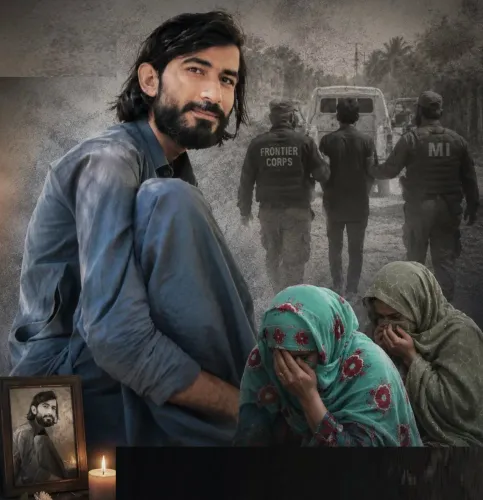
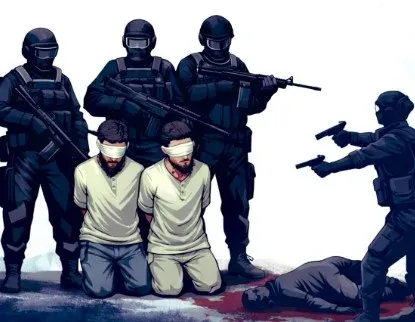
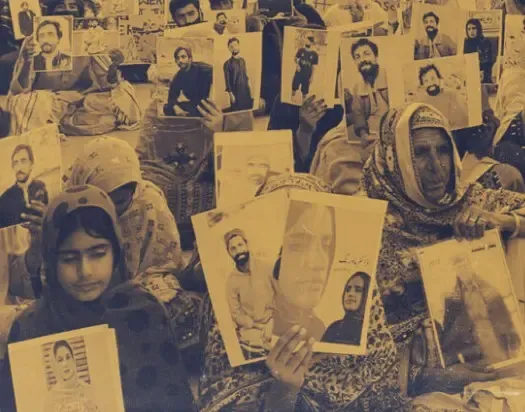
Rights groups have documented nine fresh enforced disappearances in Balochistan, allegedly carried out by Pakistan's CTD and Frontier Corps. Set against a March backdrop of 65 disappearances and 50 extrajudicial killings — including 14 people reportedly killed after being taken into custody — the pattern points to a systematic crackdown that is drawing sharp condemnation from human rights organisations.
Key Takeaways
Nine civilians were allegedly forcibly disappeared by Pakistani forces in Balochistan , reported on 2 May 2025 .
Qadeer Majeed (24) and student Irshad Baloch were abducted from Khuzdar district on 30 April by CTD personnel, according to Paank .
Seven more civilians were taken from Mastung district between 16–17 April , allegedly by FC and CTD personnel.
The HRCB documented 65 enforced disappearances and 50 extrajudicial killings in Balochistan in March 2025 alone.
14 of those killed had reportedly been subjected to enforced disappearance before being killed in custody.
Students were the largest affected group; victims included one woman and nine teenagers .
At least nine civilians have been forcibly disappeared by Pakistani forces in Balochistan, according to leading human rights organisations that documented the cases on Saturday, 2 May. The incidents span two separate operations across the Khuzdar and Mastung districts, adding to a growing record of alleged enforced disappearances in the restive province.
The Khuzdar Disappearances
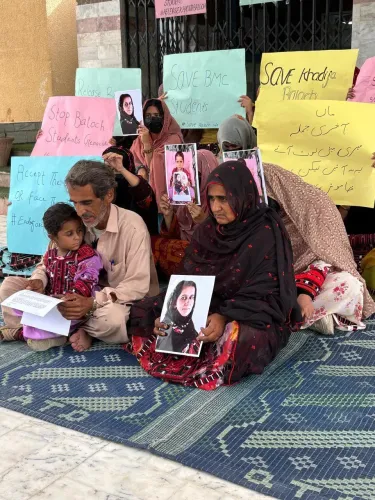
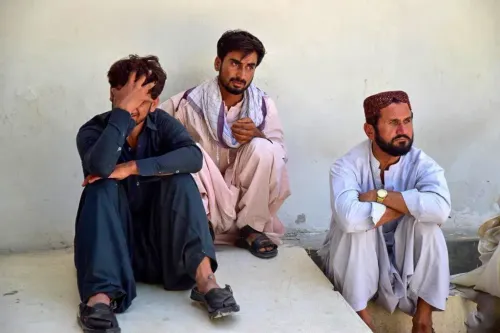
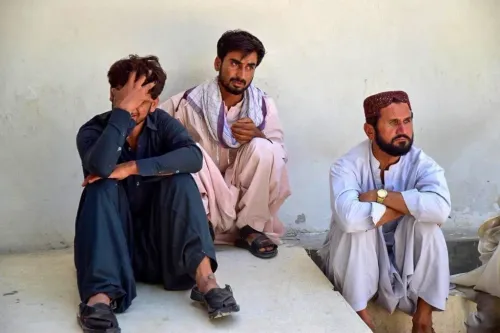
Paank, the human rights department of the Baloch National Movement, strongly condemned the enforced disappearance of two civilians from the Badrang Greshag area of Khuzdar district on 30 April. The victims were identified as Qadeer Majeed, a 24-year-old farmer, and Irshad Baloch, a student. According to Paank, both individuals were abducted by personnel of Pakistan's Counter Terrorism Department (CTD). "Since their abduction, their whereabouts remain unknown, causing immense distress to their families," the organisation noted.
Seven More Taken from Mastung
Paank further reported that seven civilians were forcibly disappeared between 16 and 17 April from the Kardagap area of Mastung district, allegedly by personnel of Pakistan's Frontier Corps (FC) and CTD during separate operations. The victims were identified as Pervaz Ahmed (44), Zubair Ahmed (36), Hasnan Ahmed (20), student Naqeeb Ullah (22), Abdul Jabbar (40), student Zeeshan Ahmed (28), and polio team field worker Abdul Rasool (32). Paank called on Pakistani authorities to immediately disclose the fate and whereabouts of all victims, ensure their safe release, and hold those responsible accountable, stating that enforced disappearances constitute a grave violation of human rights.
Broader Pattern: 65 Disappearances and 50 Killings in March Alone
The Human Rights Council of Balochistan (HRCB) separately raised alarm over what it described as a dire situation across the province, citing 65 cases of enforced disappearance and 50 extrajudicial killings allegedly carried out by Pakistani forces in March 2025 alone. According to the HRCB's findings, 14 of those killed had previously been subjected to enforced disappearance and were reportedly killed in custody. Other fatalities were linked to shootings and mortar shelling attributed to FC personnel, as well as target killings allegedly carried out by Pakistan-backed death squads and unidentified assailants.
The HRCB noted that students emerged as the largest affected group among those disappeared in March, with victims including one woman and nine teenagers. The majority of cases were reported from Kech district and the provincial capital, Quetta.
Civilian Life Disrupted Across Balochistan
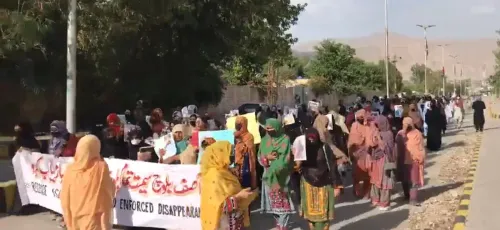
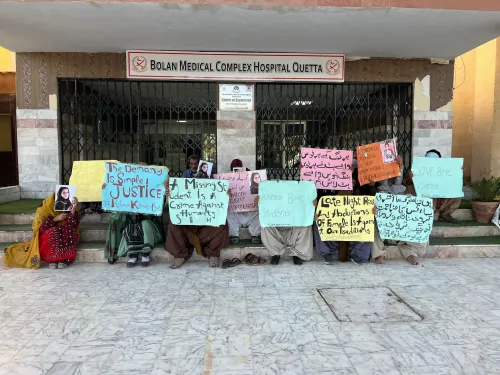
Beyond disappearances and killings, the HRCB documented a wider pattern of repression during March. According to the rights body, police blocked a press conference by families of detained Baloch Yakjehti Committee leaders in Quetta, while curfew measures in Zehri disrupted daily life. Multiple night raids, property destruction, and harassment were reportedly carried out in Turbat, Surab, and Gwadar. The pattern, rights groups argue, reflects a systematic effort to suppress dissent and civil society activity in the province. As of the time of reporting, Pakistani authorities had not issued a public response to the allegations raised by either Paank or the HRCB.
Point of View
Press conferences blocked, curfews imposed, and families left without recourse. Pakistan's silence in the face of named victims and specific locations is itself telling. International human rights mechanisms have repeatedly flagged Balochistan, yet accountability remains absent. The inclusion of a polio field worker and multiple teenagers among the disappeared underscores how indiscriminate the alleged operations have become.
NationPress
22 Sept 2026
Frequently Asked Questions
Who were the nine civilians allegedly disappeared in Balochistan?
According to Paank, the nine include farmer Qadeer Majeed (24) and student Irshad Baloch from Khuzdar, and seven others from Mastung district — Pervaz Ahmed, Zubair Ahmed, Hasnan Ahmed, student Naqeeb Ullah, Abdul Jabbar, student Zeeshan Ahmed, and polio field worker Abdul Rasool. Their whereabouts remain unknown as of the report date.
Which Pakistani agencies are accused of carrying out the disappearances?
Paank alleges that Pakistan's Counter Terrorism Department (CTD) carried out the Khuzdar abductions, while both the Frontier Corps (FC) and CTD are accused of the Mastung disappearances. Pakistani authorities had not publicly responded to these allegations as of the time of reporting.
How widespread is the enforced disappearance crisis in Balochistan?
The Human Rights Council of Balochistan documented 65 enforced disappearances and 50 extrajudicial killings in March 2025 alone. Students were the largest affected group, with victims including one woman and nine teenagers, with most cases from Kech district and Quetta.
What is Paank and why is its reporting significant?
Paank is the human rights department of the Baloch National Movement and one of the primary bodies documenting alleged state abuses in Balochistan. It has been tracking enforced disappearances in the province for years, making its reports a key reference for international human rights scrutiny of Pakistan.
What other repression has been reported in Balochistan beyond disappearances?
The HRCB reported that police blocked a press conference by families of detained Baloch Yakjehti Committee leaders in Quetta, curfew measures disrupted daily life in Zehri, and multiple night raids, property destruction, and harassment were reported in Turbat, Surab, and Gwadar during March 2025.