Afghan police seize 180 kg of opium and hashish, arrest four in Takhar
Synopsis
Afghan counter-narcotics units seized over 180 kg of opium and hashish in Takhar, arrested four traffickers, and separately busted eight heroin labs in Ghor — all within days. The multi-province sweep, also touching Herat and Farah, signals a coordinated nationwide enforcement push against one of the world's most entrenched drug economies.
Key Takeaways
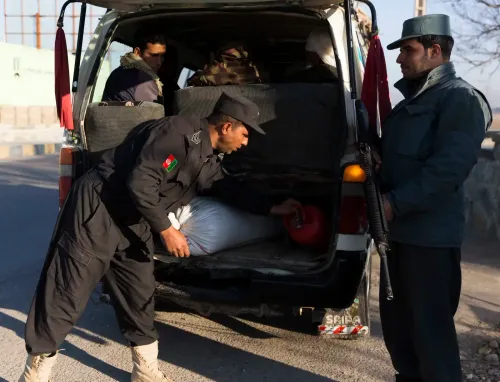
Counter-narcotics police seized 143 kg of opium and 40 kg of hashish from a car in Taluqan, Takhar province on 8 November .
Four suspected traffickers were arrested at the scene; their intended destination was unknown.
A separate operation in Herat on Friday netted 32 kg of methamphetamine and two arrests.
On 1 November , security forces dismantled eight heroin labs in Ghor province and arrested 17 suspects .
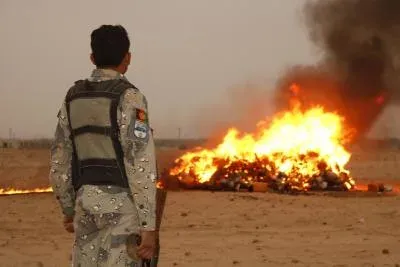
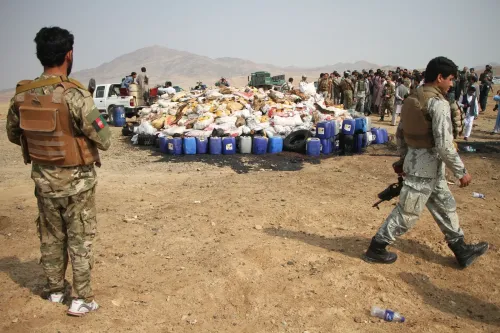
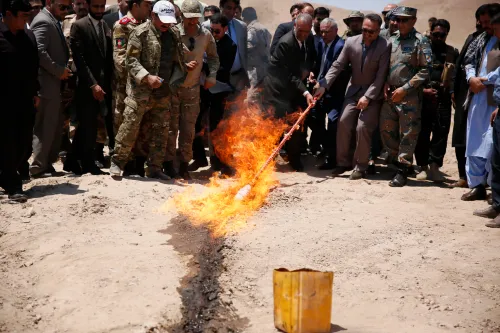
On 18 October , police in Farah publicly burned nearly one tonne of drugs, including 955 kg of opium-type substances and 36 kg of methamphetamine .
Authorities describe the operations as part of an intensified nationwide campaign targeting traffickers, cultivators and production networks.
Counter-narcotics police in Afghanistan seized more than 180 kg of opium and hashish and arrested four suspected drug traffickers in the northern province of Takhar on 8 November 2026, provincial police spokesman Naqibullah Masroor confirmed. The haul forms part of an intensified nationwide crackdown on the country's illicit narcotics trade.
Details of the Takhar Seizure
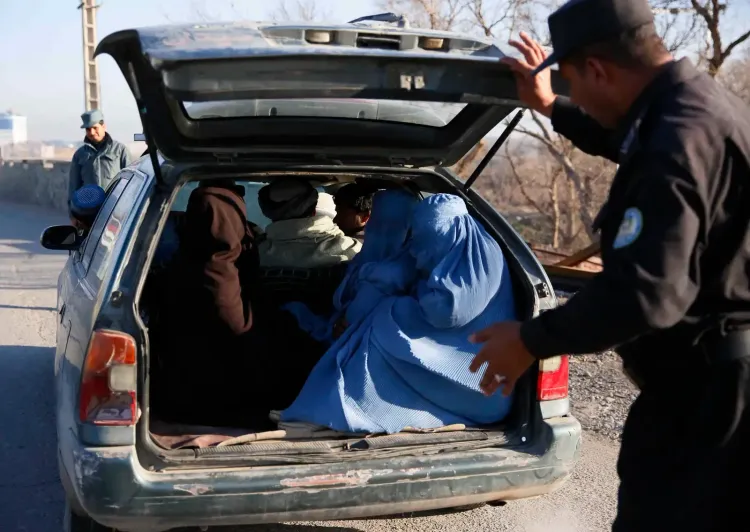
The confiscated contraband comprised 143 kg of opium and 40 kg of hashish, concealed within hidden compartments of a car. According to Masroor, the four suspects were transporting the drugs to an unknown destination on Saturday when counter-narcotics units intercepted their vehicle in the provincial capital, Taluqan, and detained all of them on the spot.
Concurrent Operations Across the Country
The Takhar arrest was not an isolated incident. In a separate operation in the western province of Herat on Friday, police seized 32 kg of methamphetamine and arrested two individuals. The overlapping timing of multiple provincial operations signals a coordinated, intelligence-driven approach rather than routine patrolling.
Earlier, on 1 November, Afghan security forces dismantled eight clandestine heroin processing laboratories in the western province of Ghor, arresting 17 suspected drug traffickers. Provincial police spokesman Mawlawi Abdul Rahman Badri said counter-narcotics units acted on a tip-off, conducting a targeted raid on the outskirts of Chaharsada district. The raid destroyed the facilities and resulted in the seizure of substantial quantities of precursor chemicals used in heroin production. All suspects were transferred to judicial authorities.
Farah Burn and Wider Enforcement Push
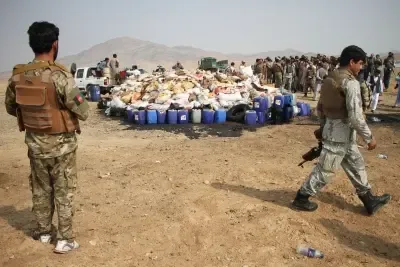
On 18 October, police in the western province of Farah publicly burned nearly one tonne of illegal drugs, including 955 kg of opium-type substances, hashish, and 36 kg of methamphetamine, according to provincial police spokesman Kalimullah Nangyal. The narcotics had been seized during a series of recent operations. One suspected smuggler was also arrested and referred to the judiciary pending investigation.
Significance of the Crackdown
Afghan authorities have described these operations as part of an intensified nationwide campaign targeting traffickers, cultivators, and production networks in a concerted effort to dismantle the country's illicit drug economy. Notably, Afghanistan has historically been the world's largest producer of opium, making sustained enforcement efforts of this scale a development with regional and global consequences. The successive raids across Takhar, Herat, Ghor, and Farah suggest a multi-front enforcement posture that goes beyond individual interdictions. How effectively this translates into lasting disruption of supply chains remains to be seen as legal proceedings against the arrested suspects progress.
Point of View
Herat and Farah in the west, Ghor in the centre — point to a coordinated enforcement posture, not isolated policing. What is harder to assess is whether interdiction alone can dent supply when cultivation and processing networks remain deeply embedded. Afghanistan's opium economy has historically proved resilient to enforcement surges; the real test is whether dismantling eight labs in Ghor disrupts actual output or simply displaces it. The public burning in Farah also carries a performative dimension that must be distinguished from systemic dismantlement.
NationPress
8 Nov 2026
Frequently Asked Questions
What drugs were seized in the Takhar province operation?
Counter-narcotics police seized 143 kg of opium and 40 kg of hashish , hidden in compartments of a car, in Taluqan, Takhar province on 8 November. Four suspects were arrested while transporting the drugs to an unknown destination.
What happened in the Ghor province operation on 1 November?
Afghan security forces dismantled eight clandestine heroin processing laboratories in Ghor province on 1 November, arresting 17 suspected drug traffickers. Counter-narcotics units acted on a tip-off, destroying facilities and seizing precursor chemicals used in heroin production.
What was seized and destroyed in Farah province in October?
On 18 October, police in Farah province publicly burned nearly one tonne of illegal drugs, including 955 kg of opium-type substances, hashish, and 36 kg of methamphetamine. The narcotics had been seized during a series of recent operations.
Is this part of a wider Afghan anti-drug campaign?
Yes. Afghan authorities have described the multi-province operations as part of an intensified nationwide campaign targeting traffickers, cultivators, and drug production networks. The overlapping operations in Takhar, Herat, Ghor and Farah suggest coordinated, intelligence-driven enforcement.
Why does Afghanistan's drug trade matter beyond its borders?
Afghanistan has historically been the world's largest producer of opium, making domestic enforcement operations relevant to regional and global narcotics supply chains. Sustained disruption of processing labs and trafficking routes in the country can affect drug availability across Central Asia, Europe and beyond.