Amnesty urges Bangladesh to stop crackdown on garment workers, union leaders

Synopsis
Amnesty International has called out Bangladesh for arresting trade union leaders exercising their right to peaceful protest over minimum wage demands — and the US-based FLA and AAFA have piled on, calling the detentions 'unacceptable'. With dozens of factories shuttered and multiple union officials behind bars, Bangladesh's credibility as a responsible global sourcing partner is now openly in question.
Key Takeaways
Amnesty International on 19 November called on Bangladesh to end the arrest and harassment of garment workers and trade union leaders.
Mosammat Sultana Begum (GBGWF President) and General Secretary Elias were arrested Tuesday night over allegations of torching a police vehicle in Savar, Dhaka .
At least five other union officials were arrested earlier this month in connection with the ongoing protests.
The Fair Labor Association (FLA) and American Apparel & Footwear Association (AAFA) have demanded the immediate release of detained union leaders, calling their arrests 'unacceptable'.
Dozens of factories have been closed indefinitely amid the unrest, with several people, including law enforcement personnel, reportedly injured.
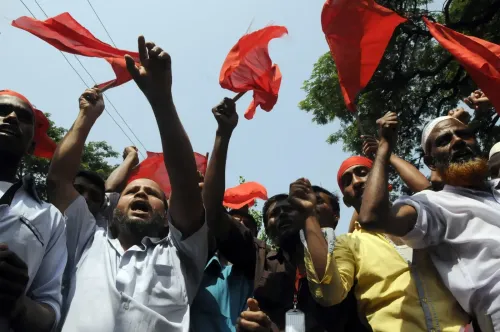
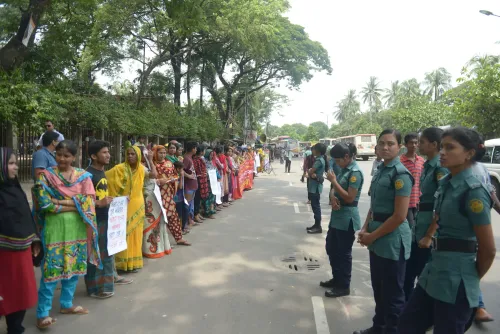
Amnesty International on Thursday, 19 November 2026, called on Bangladeshi authorities to immediately end the arrest and harassment of garment workers and trade union leaders who have been exercising their right to peaceful protest in the country. The appeal comes amid escalating unrest in Bangladesh's garment sector over demands for a fair minimum wage.
Key Arrests That Prompted the Condemnation
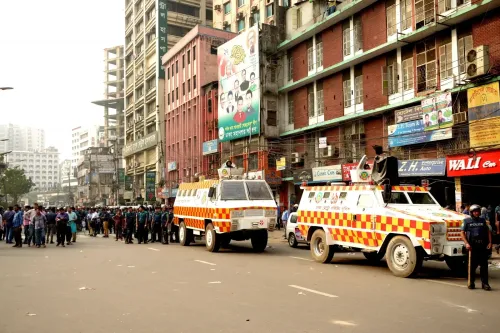
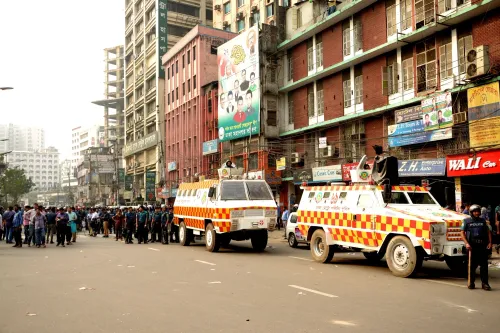
The statement followed the arrest of two senior labour federation leaders — Mosammat Sultana Begum, Central President of the Green Bangla Garments Workers Federation (GBGWF), and its General Secretary Elias — detained by police on Tuesday night over allegations of torching a police vehicle in Dhaka's Savar area on 4 November.
Savar police station Officer-in-Charge Md Saiful Alam told Bangladeshi newspaper Daily Waadaa: 'We had information that they were inciting violence and that members of their organisation were behind the torching of our vehicle.'
Amnesty International, however, condemned the arrests, noting that Sultana Begum and Elias were not the first union leaders detained since the protests began.
A Wider Pattern of Detentions
Earlier this month, several other union officials were also arrested. Those detained include Mostafa Kamal, Vice President of the Central Committee of the Bangladeshi Garments Trade Union Federation; Rozina Akter Sumi, member of the AFWA-Bangladesh Women's Leadership Committee and Education and Training Secretary of the GBGWF; Md. Ali Azgar, President of the Gazipur District Garments Tailors Workers Federation; Md. Morshed Alam Kawsar, President of Gazipur Setu, Bangladesh Garments Workers and Employees Federation; and Md. Fuadur Rahman Nirjon, Admin of the KJK Facebook Group of Gazipur Garments Workers.
International Organisations Demand Release
The US-based Fair Labor Association (FLA) and the American Apparel & Footwear Association (AAFA) joined the chorus of condemnation, calling the arrests 'unacceptable' and demanding the immediate release of Sultana Begum and Elias.
The two organisations warned that the detention of union officials was severely disrupting ongoing wage negotiation processes and damaging Bangladesh's standing as a responsible global sourcing partner. 'We unequivocally condemn violence, threats, and intimidation against workers and union officials. We urge the government and all parties to publicly join us in this condemnation, both during the minimum wage review and after,' the joint statement read.
Broader Context: Garment Sector in Crisis
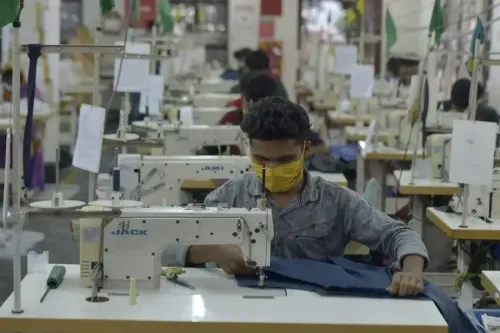
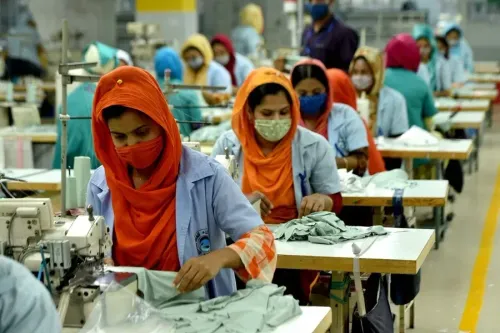
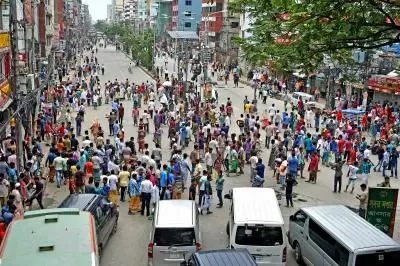
Bangladesh has been witnessing sustained unrest in its garment industry, with workers demanding fair wages and basic labour rights. The unrest has resulted in injuries to several people, including law enforcement personnel, and the indefinite closure of dozens of factories. This comes amid Bangladesh's position as the world's second-largest garment exporter, making labour stability a matter of significant international trade concern.
Notably, multiple leading international human rights organisations had already strongly condemned violence against garment workers earlier this month, underscoring the sustained global attention on the situation. How the interim government in Dhaka responds to these international calls will likely shape both the wage negotiation outcome and the country's reputation in global supply chains.
Point of View
But on economic ones. Global apparel brands and sourcing associations are watching closely, and 'unacceptable' is unusually blunt language from the typically diplomatic FLA and AAFA. For a country that depends on the garment sector for roughly 80% of its export earnings, criminalising the very voices needed at the wage table risks a reputational spiral that no factory closure can match. The deeper question mainstream coverage is not asking: whether the interim administration in Dhaka has the political bandwidth to separate legitimate law enforcement concerns from a broader pattern of suppressing labour organising.
NationPress
19 Nov 2026
Frequently Asked Questions
Why is Amnesty International calling out Bangladesh over garment workers?
Amnesty International has condemned the arrest of multiple trade union leaders in Bangladesh who were protesting for a higher minimum wage, saying the detentions violate rights to peaceful assembly and freedom of association. The organisation is calling for an immediate end to the harassment and arrest of workers and union officials.
Who are Sultana Begum and Elias, and why were they arrested?
Mosammat Sultana Begum is the Central President and Elias is the General Secretary of the Green Bangla Garments Workers Federation (GBGWF). They were arrested on Tuesday night over allegations of inciting violence and links to the torching of a police vehicle in Dhaka's Savar area on 4 November, charges their supporters and international rights groups dispute.
What have the FLA and AAFA said about the arrests?
The US-based Fair Labor Association (FLA) and the American Apparel & Footwear Association (AAFA) have called the arrests 'unacceptable' and demanded the immediate release of Sultana Begum and Elias. They warned that detaining union officials was disrupting wage negotiations and damaging Bangladesh's reputation as a responsible sourcing partner.
What is the broader situation in Bangladesh's garment sector?
Bangladesh's garment industry has been experiencing escalating unrest, with workers demanding fair wages and basic labour rights. Several people, including law enforcement personnel, have reportedly been injured, and dozens of factories have been shut indefinitely. Bangladesh is the world's second-largest garment exporter, making the unrest a matter of serious international concern.
How many union leaders have been arrested in Bangladesh so far?
At least seven union leaders and officials have been arrested in connection with the garment protests. Besides Sultana Begum and Elias, those detained earlier this month include Mostafa Kamal, Rozina Akter Sumi, Md. Ali Azgar, Md. Morshed Alam Kawsar, and Md. Fuadur Rahman Nirjon.