Bangladesh garment workers caught in Awami League ban crackdown
Synopsis
Bangladesh's Anti-Terrorism Act, originally aimed at banning the Awami League, is reportedly being used to detain garment workers striking for a living wage. With 457 factories shuttered and 240,000 jobs gone since August 2024, the crackdown risks accelerating a buyer exodus — and silencing the workforce that holds the country's export economy together.
Key Takeaways
The Awami League was placed under a 'temporary' ban on 12 May 2025 using Bangladesh 's amended Anti-Terrorism Act (ATA) .
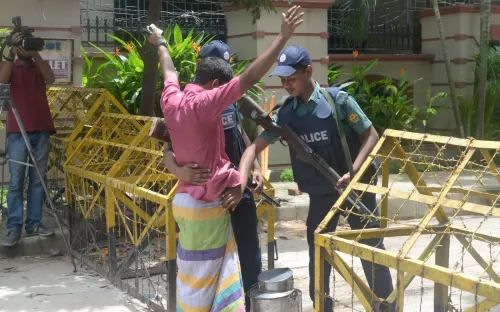
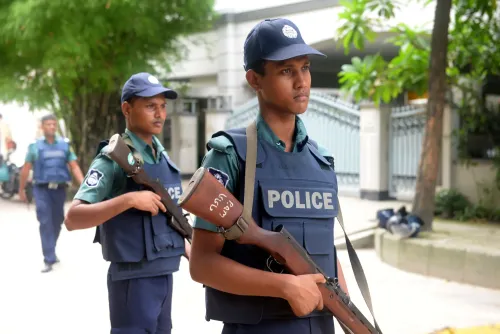
On 31 October , police detained 21 people at garment worker protests — labelling them Awami League activists — while thousands more were reportedly held under the ATA.
Workers are demanding a minimum wage of 30,000 Bangladeshi taka (~$241) , citing rising food prices and inflation.
Between August 2024 and June 2026 , 457 garment and textile factories closed, eliminating more than 240,000 jobs , the majority held by women.
The share of US buyers sourcing from Bangladesh dropped to approximately 78 per cent from 88 per cent a year earlier.
Analyst Sangita Gazi warns in The Diplomat that the ATA's broad application poses risks for democracy and economic recovery.
Bangladesh's garment workers are facing a deepening crisis as their protests over wages and inflation are being conflated with activities of the banned Awami League, leading to police detentions and a chilling effect on labour organising, according to a report published in The Diplomat.
How the ban is being applied
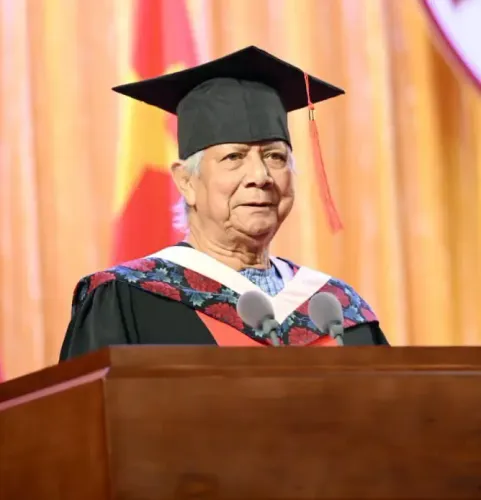
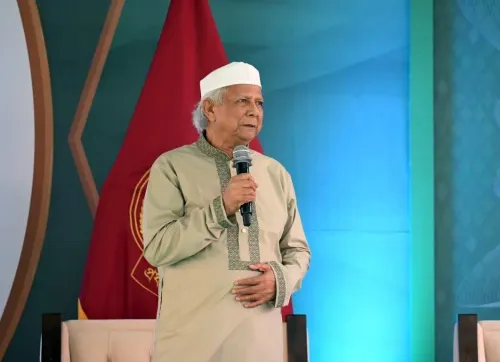
Following the change of government in October 2024, the Mohammed Yunus-led interim administration banned the Bangladesh Chhatra League — the Awami League's student wing — under the Anti-Terrorism Act (ATA). On 12 May 2025, a 'temporary' ban was extended to the Awami League itself under a newly amended version of the same law. Critics now argue that the ATA's broad sweep is being turned against ordinary workers with no political affiliation.
What happened on 31 October
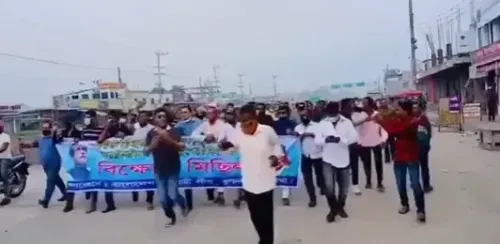
Hundreds of thousands of garment workers staged protests across several parts of Bangladesh on 31 October, demanding a minimum wage of 30,000 Bangladeshi taka (approximately $241). Police detained 21 individuals, labelling them Awami League activists rather than genuine workers. Thousands more unidentified individuals were also reportedly detained under the ATA. Workers, however, have consistently said that rising food prices, inflation, and energy costs drove them into the streets — not political allegiance.
Bangladesh Home Minister Salahuddin Ahmed reportedly blamed supporters of former Prime Minister Sheikh Hasina for instigating the protests. Videos and images circulating on social media appeared to show workers being beaten and police raiding slums to round up protesters on the grounds of alleged links with the banned party, according to the report.
The economic toll on the sector
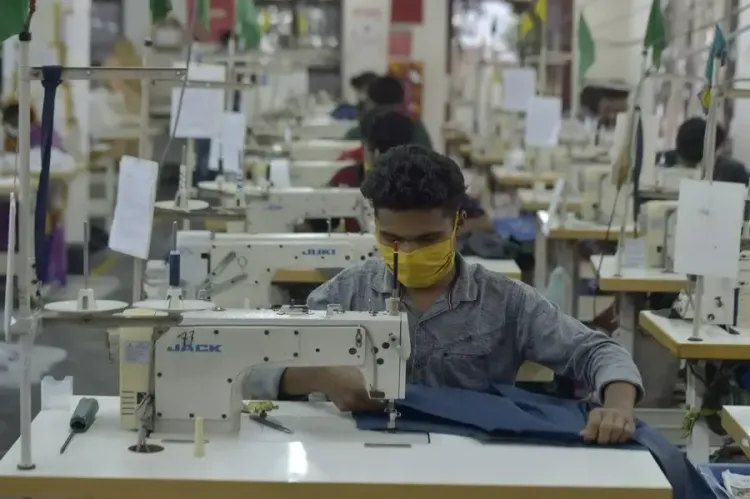
The broader instability has exacted a heavy toll. Between August 2024 and June 2026, 457 garment and textile factories closed and more than 240,000 jobs were lost, the report stated. The majority of those who lost employment are women, many of whom have no other access to formal work. Additionally, some employers are reportedly screening new hires for union ties.
The damage extends to trade relationships. According to the report, the share of US buyers sourcing from Bangladesh fell to roughly 78 per cent from 88 per cent a year earlier — a significant erosion of market trust.
The wage dispute and industry pushback
The Bangladesh Nationalist Party (BNP)-led government is caught in what analyst Sangita Gazi describes in The Diplomat as a 'real bind': factory owners warn that meeting the 30,000 taka wage demand will raise production costs and drive buyers toward Vietnam, India, or Cambodia. One manufacturer's representative reportedly called the demand one with 'no logical or mathematical basis'.
Warning on civil liberties and what comes next
Gazi cautioned that the conflation of worker protests with political opposition sets a troubling precedent. 'Now it is being turned on garment workers striking for a wage they can live on. That is bad for democracy, and worse for an economy that cannot afford another crisis of trust,' she wrote. She further warned: 'Today that label is being used against workers asking for a wage that covers rent and rice. Tomorrow it could be students, journalists, or the BNP's own critics.'
The detention of labour leaders has pushed many into hiding, further weakening organised representation for one of Bangladesh's most economically vital workforces. How the government navigates the tension between political security concerns and labour rights will likely determine whether the garment sector can stabilise — or faces a deeper exodus of buyers.
Point of View
But its extension to garment worker protests is where it starts to corrode the state's credibility internationally. Buyers sourcing from Bangladesh are acutely sensitive to governance optics — the drop from 88 per cent to 78 per cent US sourcing share is not incidental; it is a market verdict. The BNP-led dispensation faces a structural contradiction: it needs foreign exchange stability, but the instrument it is using to consolidate political control is the same one that is unravelling the labour peace underpinning that stability. What mainstream coverage tends to underplay is that most of the 240,000 who lost jobs are women — and in a country with thin formal employment options for women outside garments, this is a welfare and gender-equity crisis layered on top of a political one.
NationPress
8 Nov 2026
Frequently Asked Questions
Why are Bangladesh's garment workers being detained under the Anti-Terrorism Act?
Authorities are reportedly labelling protesting garment workers as Awami League activists, using the Anti-Terrorism Act to detain them. Workers themselves deny political links, saying they took to the streets over rising food prices, inflation, and energy costs.
What are Bangladesh's garment workers demanding?
Workers are demanding a minimum wage of 30,000 Bangladeshi taka (approximately $241) per month, arguing that current pay does not cover basic costs like rent and food amid persistent inflation.
How many jobs has Bangladesh's garment sector lost since 2024?
More than 240,000 jobs were lost as 457 garment and textile factories closed between August 2024 and June 2026, according to the report in The Diplomat. The majority of those who lost employment are women.
How has the crackdown affected Bangladesh's export trade?
The share of US buyers sourcing from Bangladesh fell to roughly 78 per cent from 88 per cent a year earlier, signalling an erosion of buyer confidence linked to the country's governance and labour instability.
What is the Awami League ban and when did it take effect?
The Mohammed Yunus-led interim government imposed a 'temporary' ban on the Awami League on 12 May 2025 under the amended Anti-Terrorism Act. Its student wing, the Bangladesh Chhatra League, had been banned earlier following the change of government in October 2024.