CM Samrat Choudhary: India Naxal-Free This Diwali
Synopsis
Bihar CM Samrat Choudhary has shared PM Modi's declaration that Diwali 2026 is historic — every Indian district is now free of Naxalism, ending a decades-long Maoist insurgency that once spanned a vast Red Corridor across central and eastern India.
Key Takeaways
Bihar CM Samrat Choudhary on November 8, 2026 shared PM Narendra Modi's statement declaring India fully free of Naxalism.
The government claims this is the first Diwali when every district in the country is free from left-wing extremist presence.
The Red Corridor — once spanning parts of Chhattisgarh, Jharkhand, Bihar, Odisha and Maharashtra — has been progressively dismantled over decades.
Since 2017 , the Union government's SAMADHAN doctrine combined security operations, development schemes, and cadre rehabilitation to accelerate the campaign.
Formal verification through Ministry of Home Affairs statistical releases and parliamentary statements will confirm the district-wise status.
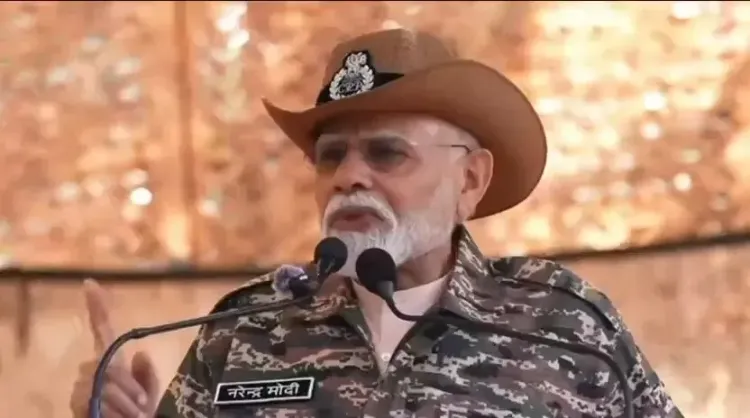
For the first time in decades, Diwali 2026 arrives without the shadow of left-wing extremism darkening any corner of the country — or so the government is declaring. Bihar Chief Minister Samrat Choudhary on Sunday, November 8, 2026, shared a statement from Prime Minister Narendra Modi proclaiming that every district in India is now free of Naxalism, marking what the leadership is calling an extraordinary national achievement.
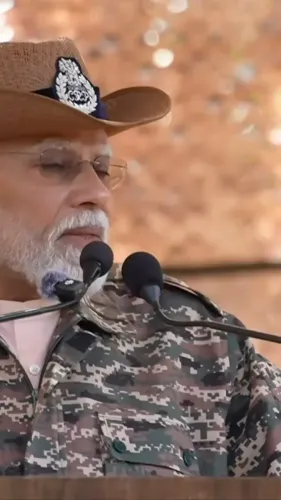
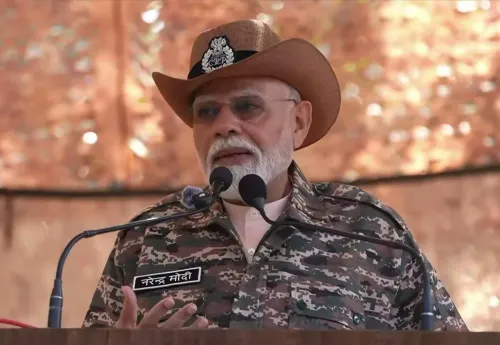
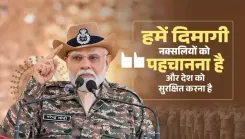
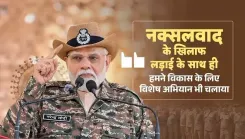
Quoting Prime Minister Modi directly, CM Choudhary's post reads: 'Varsh 2026 ki Diwali desh ke liye vishesh hai' — 'This year's Diwali is special for the country. In the decades-long fight against Naxalism and Maoist terror, the nation has achieved victory. This is the first Diwali when every district of the country is free from Naxalism, and crores of citizens have emerged from the fear of Naxalism. This is an extraordinary achievement.'
Decades of the Red Corridor — and its claimed end
The Naxalite-Maoist insurgency has its roots in the late 1960s, born from an agrarian uprising in Naxalbari, West Bengal, and spreading over subsequent decades into a sprawling 'Red Corridor' spanning parts of Chhattisgarh, Jharkhand, Bihar, Odisha and Maharashtra. At its peak, it stretched across scores of districts, displacing communities, killing security personnel, and choking development in some of India's most resource-rich but impoverished terrain.
Successive governments chipped away at the corridor district by district. The pace accelerated sharply from 2017 onward, when the Union government formalised the SAMADHAN doctrine — a combined strategy of sustained security operations, targeted development schemes, and structured rehabilitation for surrendering cadres. The doctrine's name itself is an acronym encoding its pillars: Smart leadership, Aggressive strategy, Motivation and training, Actionable intelligence, Dashboard-based monitoring, Harnessing technology, Action Plan for each theatre, and No access to financing.
Bihar's own stake in the victory
Bihar was once among the states most afflicted by left-wing extremism, with districts in its southern belt — parts of what is today Jharkhand and the border regions — serving as active Naxal theatres. For CM Samrat Choudhary, amplifying this declaration carries particular resonance: it speaks directly to a constituency that lived with the threat of insurgent violence for generations. His choice to quote the Prime Minister verbatim signals deliberate political alignment — positioning the BJP's national counter-insurgency record as a deliverable ahead of any coming electoral cycle.
What the declaration means — and what to verify
Official data over the past decade showed a progressive shrinkage of LWE-affected districts, with the Ministry of Home Affairs periodically revising its list of 'most affected' and 'other affected' districts downward. The government's declaration of a fully Naxal-free map would, if confirmed by parliamentary data and MHA releases, represent the culmination of that multi-decade effort. Verification through formal MHA statistical reports and any parliamentary statement will be the definitive benchmark.
Crores of citizens in central and eastern India — farmers, forest-dwellers, small traders who once navigated curfews imposed not by the state but by armed cadres — are the human face of this claimed milestone. If the numbers hold, it is not just a security statistic. It is a generational shift.
Point of View
Amplified by a state chief minister quoting the Prime Minister on a symbolically loaded national festival, is a significant political moment in the BJP's long-running counter-insurgency narrative. The SAMADHAN doctrine — rolled out in 2017 — gave the current government a branded framework to claim ownership of a campaign that began under earlier administrations, and this Diwali announcement appears designed to crystallise that ownership in public memory. For Bihar specifically, where Naxal violence shaped local politics for a generation, the claim carries both security and electoral weight. The key question now is whether formal MHA data will corroborate a truly zero-district Red Corridor map, transforming a political assertion into a verifiable historical milestone.
NationPress
8 Nov 2026
Frequently Asked Questions
What did Bihar CM Samrat Choudhary say about Naxalism on Diwali 2026?
CM Samrat Choudhary shared PM Modi's statement declaring that Diwali 2026 is the first Diwali in which every district of India is free from Naxalism, calling it an extraordinary national achievement.
Is India really Naxal free in 2026?
The government has declared India Naxal-free as of Diwali 2026, citing progressive reductions in affected districts over the past decade. Formal confirmation through Ministry of Home Affairs data and parliamentary statements remains the definitive benchmark.
What is the SAMADHAN doctrine against Naxalism?
SAMADHAN is the Union government's counter-left-wing-extremism strategy introduced in 2017, combining security operations, development schemes, actionable intelligence, and rehabilitation programmes for surrendering cadres.
Which states were part of the Naxal Red Corridor?
The Red Corridor historically spanned parts of Chhattisgarh, Jharkhand, Bihar, Odisha, and Maharashtra, covering some of India's most resource-rich but historically under-developed regions.
What is Naxalism and when did it start in India?
Naxalism is a Maoist-inspired left-wing extremist movement that began with an agrarian uprising in Naxalbari, West Bengal, in the late 1960s and spread across central and eastern India over subsequent decades.