Australian house prices fall 7th month in a row at fastest pace in 40 years
Synopsis
Australia's housing market is now in its steepest free-fall in four decades. With prices down 6.7 per cent from the March peak, Brisbane overtaking Sydney as the hardest-hit capital, and the RBA expected to push rates to an 18-year high of 4.85 per cent this week, the correction shows no sign of bottoming out.
Key Takeaways
Australian house prices fell 1.2 per cent in October 2026 , the seventh consecutive monthly decline .
The national median is down 6.7 per cent from its March 2026 peak, wiping roughly A$63,400 off the median dwelling value.
The pace of decline is the fastest in 40 years , according to property data firm Cotality .
Brisbane recorded the steepest monthly drop among capitals at 2.0 per cent , overtaking Sydney .
The RBA raised the cash rate to a 15-year high of 4.6 per cent in September; all four major banks expect a further rise to 4.85 per cent this week.
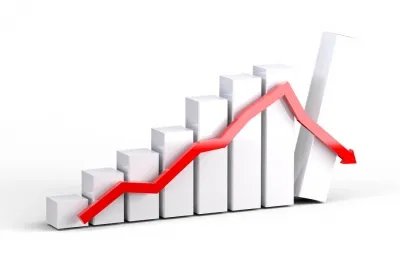
Australian house prices fell for the seventh consecutive month in October 2026, with the national downturn now tracking at the fastest pace in 40 years, according to fresh data from property analytics firm Cotality. The national median house price dropped 1.2 per cent in October, extending a slide that has erased 6.7 per cent of value since the market peaked in March 2026.
Scale of the Decline
The cumulative fall from the March peak has wiped approximately A$63,400 (around US$44,565) off the median Australian dwelling value, according to Cotality. On a quarterly basis, median prices across all capital cities declined by 4.5 per cent, underscoring that the correction is broad-based and accelerating rather than stabilising.
Capital Cities in Focus
Brisbane overtook Sydney as the capital recording the steepest monthly drop, posting a 2.0 per cent decline in median house prices in October. The median capital city house price fell 1.4 per cent for the month, accelerating from a 1.2 per cent fall in September 2026, signalling that momentum in the downturn is building rather than easing.
What Is Driving the Slump
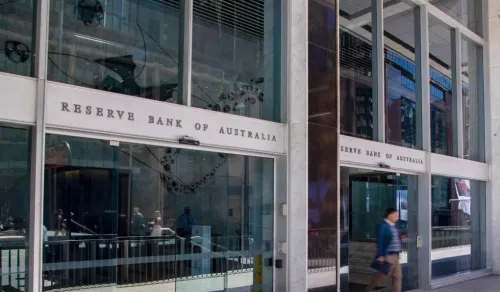
Tim Lawless, Cotality's research director, attributed the downturn to a confluence of headwinds: successive interest rate hikes, persistently low consumer confidence, mounting cost-of-living pressures, and a federal government decision to wind back tax concessions for property investors. The Reserve Bank of Australia (RBA) Monetary Policy Board voted at the end of September 2026 to raise the cash rate target by 0.25 percentage points for the fourth time this year, lifting it to a 15-year high of 4.6 per cent.
What Comes Next
The RBA board is meeting again on Monday and Tuesday to consider the key interest rate. All four of Australia's major banks are predicting a fifth consecutive rise to 4.85 per cent — an 18-year high — which would add further pressure on already stressed mortgage holders. If the prediction holds, it would mark one of the most aggressive rate-tightening cycles in Australia's modern economic history, with knock-on effects for household consumption and construction activity well into 2027.
Point of View
A deliberate unwinding of investor tax concessions, and a cost-of-living squeeze that has crushed buyer confidence. The fact that Brisbane has now overtaken Sydney as the sharpest decliner suggests the correction is spreading beyond the traditionally volatile top-end markets. A fifth rate rise to an 18-year high this week would push debt-service ratios into territory not seen since the early 2000s, raising the risk that voluntary sellers become forced ones — the one dynamic that could turn a correction into a rout.
NationPress
2 Nov 2026
Frequently Asked Questions
Why are Australian house prices falling in 2026?
Australian house prices are falling due to a combination of RBA interest rate hikes, low consumer confidence, cost-of-living pressures, and federal government moves to reduce tax concessions for property investors, according to Cotality research director Tim Lawless. The RBA has raised its cash rate four times in 2026 to a 15-year high of 4.6 per cent, sharply increasing mortgage repayment costs.
How much have Australian house prices fallen since their peak?
National median house prices have declined 6.7 per cent from their March 2026 peak as of October 2026, wiping approximately A$63,400 off the median Australian dwelling value, according to Cotality data. October alone saw a 1.2 per cent monthly fall.
Which Australian city has seen the biggest house price drop?
Brisbane recorded the steepest monthly decline among capital cities in October 2026, with a 2.0 per cent drop in median house prices, overtaking Sydney. Across all capitals, median prices fell 4.5 per cent on a quarterly basis.
Is the RBA expected to raise rates again?
Yes. The RBA Monetary Policy Board is meeting on Monday and Tuesday, and all four of Australia's major banks are predicting a fifth rate rise in 2026 to 4.85 per cent — an 18-year high. A further hike would add more pressure to the housing downturn.
How does this compare to previous Australian housing downturns?
According to Cotality, the current pace of decline in national home values is the fastest recorded over the last 40 years, making this correction historically significant. Seven consecutive months of falls with accelerating monthly declines is unusual even by the standards of past Australian property cycles.