Australia's worst diphtheria outbreak: A$7.2m emergency package deployed
Synopsis
Australia is battling its worst diphtheria outbreak since national records began — 230 cases, a death in the Northern Territory, and A$7.2 million now committed to contain it. With 60 per cent of cases in one territory and post-pandemic vaccine hesitancy cited as a driver, this is a warning shot about what happens when immunisation coverage slips.
Key Takeaways
The Australian government has committed A$7.2 million to combat the country's worst diphtheria outbreak since national record-keeping began.
230 diphtheria cases have been recorded in 2025 , with approximately 60 per cent in the Northern Territory .
The Northern Territory recorded Australia's first diphtheria death in nearly a decade on 15 May .
A$5.2 million goes to the National Critical Care and Trauma Response Centre ; A$2 million to the National Aboriginal Community Controlled Health Organisation .
Officials cited post-pandemic vaccine hesitancy and gaps in access as likely drivers of the resurgence.
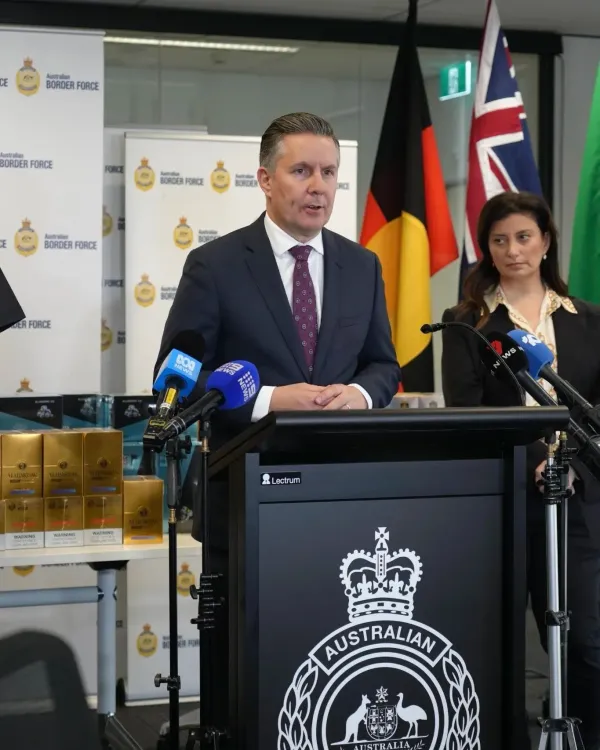
The Australian government has announced a A$7.2 million (approximately US$5.14 million) emergency response package to combat the country's most severe diphtheria outbreak since national disease surveillance records began, Health Minister Mark Butler confirmed on Thursday, 21 May. The National Notifiable Disease Surveillance System has recorded 230 diphtheria cases this year, with roughly 60 per cent concentrated in the Northern Territory.
Scale of the Outbreak
Active outbreaks have been confirmed across multiple states and territories, including Western Australia, South Australia, and Queensland, alongside the Northern Territory, which declared an outbreak in March — the first such declaration since the 1990s. Critically, the Northern Territory recorded Australia's first diphtheria death in nearly a decade on 15 May, underscoring the outbreak's severity.
How the Funding Is Allocated
Of the total A$7.2 million package, A$5.2 million has been directed to the National Critical Care and Trauma Response Centre to promote booster vaccinations, administer treatments, and procure additional vaccines and antibiotics. A further A$2 million has been allocated to the National Aboriginal Community Controlled Health Organisation for culturally appropriate communications, community liaison, and on-the-ground public health support — reflecting the disproportionate impact on Indigenous communities in the Northern Territory.
What the Government Said
'Diphtheria is a serious disease, but it is preventable, and this response is about making sure communities have the support, vaccines and health they need to stay safe,' Minister Butler said in a statement. Officials also pointed to post-pandemic vaccine hesitancy and gaps in healthcare access as likely contributors to the resurgence.
Vaccination Guidelines and Prevention
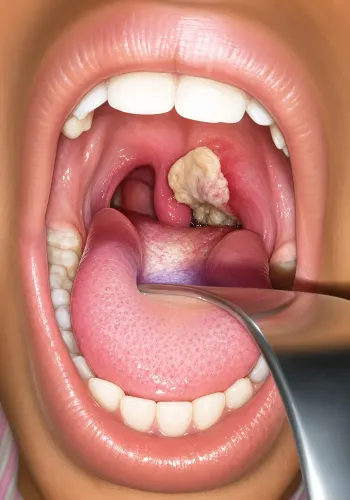
Diphtheria is a highly contagious bacterial infection that can prove fatal in severe cases. Once a leading cause of childhood mortality, it had been largely suppressed through routine immunisation. According to health authorities, diphtheria vaccines are recommended for children at 2, 4, 6 and 18 months, and at 4 years of age, with adolescent boosters advised between 11 and 13 years. Adults are recommended a booster at 50 years, with five-yearly boosters advised in higher-risk settings.
What Happens Next
With funding now mobilised and community health organisations engaged, authorities are racing to close vaccination gaps before the outbreak widens further. This comes amid broader concern about post-pandemic immunity erosion across Australia, with public health experts warning that diphtheria's return signals a wider vulnerability in national vaccination coverage that may require a sustained, long-term response beyond this immediate package.
Point of View
And the allocation of A$2 million specifically for culturally safe Indigenous outreach, points to a structural access gap that emergency funding alone will not fix. Vaccine hesitancy is a symptom of deeper trust deficits; a one-time package addresses the immediate crisis but does not rebuild the routine immunisation culture that kept diphtheria at bay for decades. The first death in nearly ten years should serve as the baseline alarm, not the peak.
NationPress
5 Oct 2026
Frequently Asked Questions
What is the diphtheria outbreak in Australia in 2025?
Australia is experiencing its worst diphtheria outbreak since national disease surveillance records began, with 230 confirmed cases as of May 2025. Around 60 per cent of cases are in the Northern Territory, which declared an outbreak in March 2025 — its first since the 1990s.
How much has the Australian government allocated to tackle the diphtheria outbreak?
The government has announced a A$7.2 million (approximately US$5.14 million) emergency package. Of this, A$5.2 million goes to the National Critical Care and Trauma Response Centre for vaccines and treatment, and A$2 million to the National Aboriginal Community Controlled Health Organisation for community-level outreach.
Has anyone died in Australia's diphtheria outbreak?
Yes. The Northern Territory recorded Australia's first diphtheria death in nearly a decade on 15 May 2025, according to officials. The death prompted heightened concern and accelerated the federal government's funding response.
What is causing the diphtheria resurgence in Australia?
Officials have pointed to post-pandemic vaccine hesitancy and gaps in healthcare access as likely drivers. Diphtheria can resurge when population immunity wanes, and the Northern Territory's case concentration suggests uneven vaccination coverage in remote and Indigenous communities.
Who should get a diphtheria booster vaccination in Australia?
Health authorities recommend diphtheria vaccines for children at 2, 4, 6 and 18 months, and at 4 years of age, with an adolescent booster between 11 and 13 years. Adults are advised to get a booster at age 50, and every five years if they are in a higher-risk environment.