Australia commits A$5 million to global Ebola response in DRC, Uganda
Synopsis
Australia is putting A$5 million behind the WHO and Red Cross to slow an Ebola outbreak that has already killed 60 people in the DRC and crossed into Uganda. The catch: there is no licensed vaccine or therapeutic for the Bundibugyo strain driving this wave, leaving classical surveillance as the front line.
Key Takeaways
Australia committed A$5 million (about US$3.6 million ) on 4 June to the global Ebola response.
Funds will flow through the WHO and the International Federation of the Red Cross .
The DRC has 344 confirmed cases and 60 deaths across 24 health zones ; Uganda has reported 15 cases and 1 death .
Suspected cases in DRC dropped to 116 from over 1,000 the previous week, per WHO chief Tedros Adhanom Ghebreyesus .
No licensed vaccine or therapeutic exists for the Bundibugyo ebolavirus strain.
The Australian government on Thursday, 4 June committed 5 million Australian dollars (around 3.6 million US dollars) to support the global response to the ongoing Ebola outbreak in Central Africa, as case counts climb in the Democratic Republic of the Congo (DRC) and spill over into Uganda. The funding will be routed through the International Federation of the Red Cross and the World Health Organization (WHO).
What Australia announced
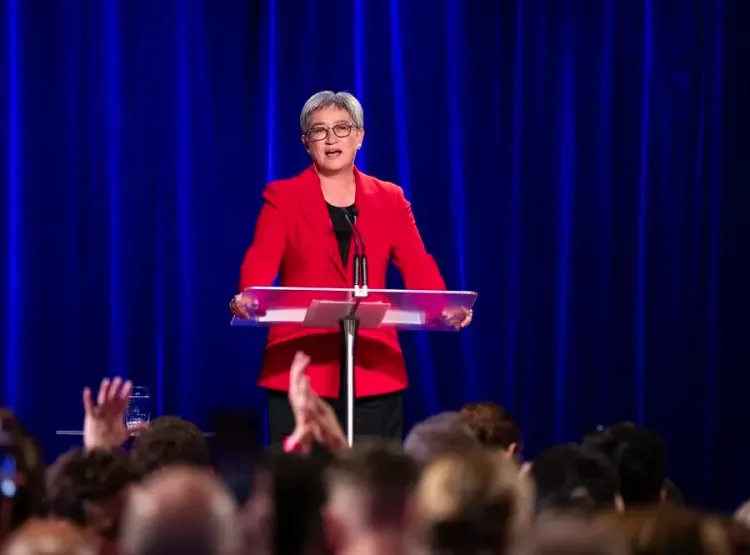
Foreign Affairs Minister Penny Wong and Minister for International Development Anne Aly said in a joint statement that the contribution will fund medical care and supplies, water and sanitation services, outbreak surveillance, preparedness, and strengthening of local health systems.
“Australia's funding, directed through the International Federation of the Red Cross and the World Health Organization (WHO), will provide vital medical care and supplies, water and sanitation services, support outbreak surveillance and preparedness, and strengthen local health systems,” the statement read.
The scale of the outbreak
According to the WHO, there are 344 confirmed cases and 60 deaths in the DRC, alongside 15 cases and one death in Uganda. Confirmed cases in the DRC are spread across 24 health zones in three provinces, while the number of suspected cases has fallen sharply to 116 from more than 1,000 the previous week.
What the WHO says
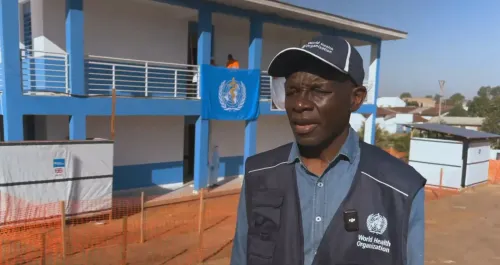
Speaking at a press conference in Geneva on Wednesday after a visit to the DRC, WHO Director-General Tedros Adhanom Ghebreyesus said the response is beginning to catch up. “What I saw gave me hope, although challenges remain,” he said.
Tedros said the agency's risk assessment remains very high at the national level, high at the regional level, and low globally. “The outbreak had a big head start, and we're still behind, but under the leadership of the Government of DRC, we are catching up,” he added.
The hurdles ahead
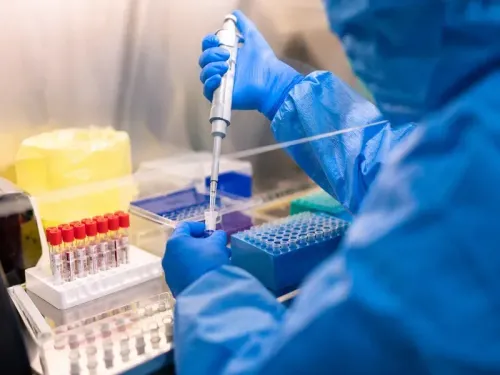
The WHO flagged several constraints: limited laboratory and diagnostic capacity that delays case confirmation, gaps in contact tracing inside the DRC, travel restrictions disrupting supply chains, community mistrust of responders, and — critically — the absence of any licensed vaccine or specific therapeutic for the Bundibugyo ebolavirus strain driving this outbreak.
Why it matters
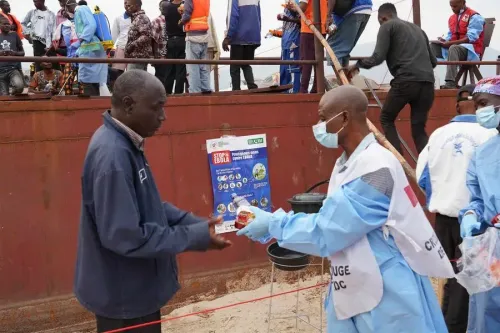
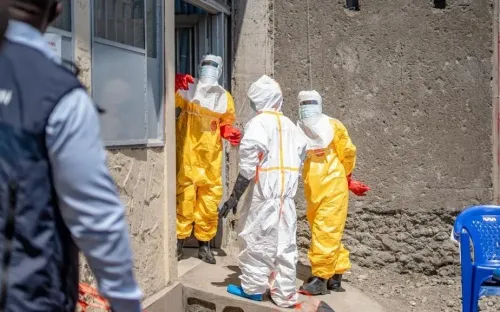
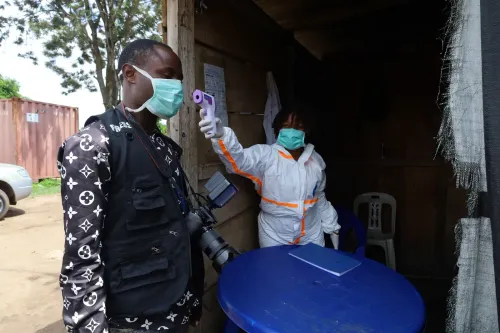
Australia's pledge adds to a thin pool of bilateral funding for an outbreak that is straining DRC's health infrastructure. With no approved vaccine for the Bundibugyo strain, the response is leaning heavily on classical public health tools — surveillance, isolation, and community engagement — which depend on sustained donor support.
Point of View
Often buried in donor announcements, is that the Bundibugyo strain has no licensed vaccine — meaning no amount of money buys a silver bullet, only more boots, labs and trust-building on the ground. Travel restrictions and community mistrust, both flagged by the WHO, will determine outcomes more than headline funding figures. The international community's willingness to sustain support past the news cycle is the real test.
NationPress
21 Oct 2026
Frequently Asked Questions
How much has Australia committed to the Ebola response?
Australia has committed 5 million Australian dollars, equivalent to about 3.6 million US dollars, announced on 4 June. The funds will be channelled through the World Health Organization and the International Federation of the Red Cross.
How severe is the current Ebola outbreak?
The WHO has confirmed 344 cases and 60 deaths in the Democratic Republic of the Congo across 24 health zones in three provinces, plus 15 cases and one death in Uganda. The agency rates the risk as very high nationally, high regionally and low globally.
Is there a vaccine for this Ebola outbreak?
No. The outbreak is being driven by the Bundibugyo ebolavirus strain, for which there are currently no licensed vaccines or specific therapeutics. The response relies on surveillance, contact tracing, isolation and supportive care.
What will Australia's funding be used for?
According to the joint statement by Foreign Affairs Minister Penny Wong and Minister for International Development Anne Aly, the funds will provide medical care and supplies, water and sanitation services, support outbreak surveillance and preparedness, and strengthen local health systems.
What are the biggest challenges in containing the outbreak?
The WHO has flagged limited laboratory capacity, gaps in contact tracing, travel restrictions disrupting supply chains, community mistrust, and the absence of licensed vaccines or therapeutics for the Bundibugyo strain as the main hurdles.