US pledges nine-figure Ebola aid, blasts WHO over 10-day alert delay in DRC outbreak
Synopsis
Washington is pouring nine-figure funding into the DRC Ebola response — but the bigger story is the accusation that the WHO sat on viral haemorrhagic fever reports for 10 days before confirming the strain. In a fast-moving outbreak, that window could prove decisive, and the US is making sure the blame is on record.
Key Takeaways
The Trump Administration has pledged 'nine-figure' Ebola aid for Central Africa , on top of an initial $23 million already committed as of 20 May .
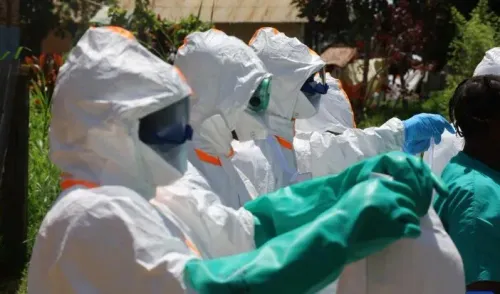
Funding will support up to 50 Ebola treatment centres and clinics in affected areas of the DRC .
US officials accused the WHO of taking 10 days to identify the Ebola strain after receiving haemorrhagic fever reports on 5 May , with a public confirmation only on 15 May .
A CDC Title 42 travel ban bars foreign nationals from the DRC , Uganda , and South Sudan who visited within the past 21 days from entering the US.
One person linked to US evacuation efforts has tested positive; eight individuals are being evacuated.
The CDC maintains over 100 staff in the DRC and more than 30 in Kampala, mostly State Department-funded.
The Trump Administration has announced a sweeping surge in Ebola assistance for Central Africa, committing funds that officials say will run into 'nine figures', while sharply criticising the World Health Organization (WHO) for a 10-day delay in identifying and publicly confirming the outbreak in the Democratic Republic of Congo (DRC). Washington had already committed approximately $23 million in bilateral humanitarian and health aid as of 20 May, with a significantly larger package in preparation.
Scale of the US Response
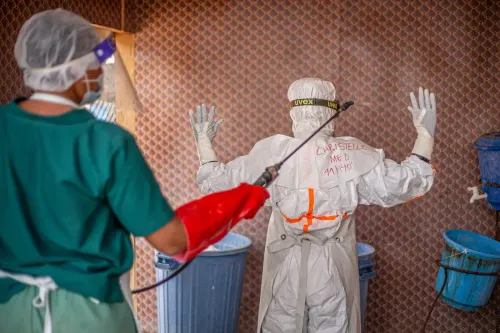
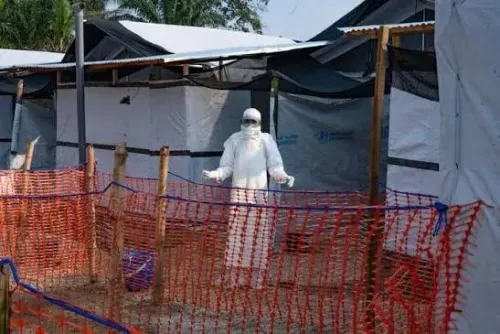
Senior US officials said the expanded commitment would fund up to 50 Ebola treatment centres and clinics in affected areas, with organisations deploying personnel directly into the field. 'The United States is going to step up in a big way,' one official said, describing the total outlay as reaching nine figures as operations scale up.
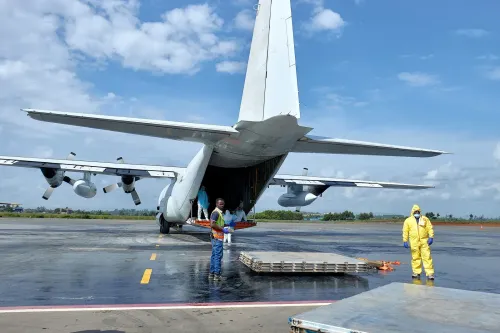
The State Department confirmed it had activated a round-the-clock task force staffed by officials with experience from previous Ebola responses in 2014 and 2018. A Disaster Assistance Response Team (DART) has been deployed to the region, with personnel heading to Kinshasa and Kampala.
WHO Criticism: A 10-Day Window Lost
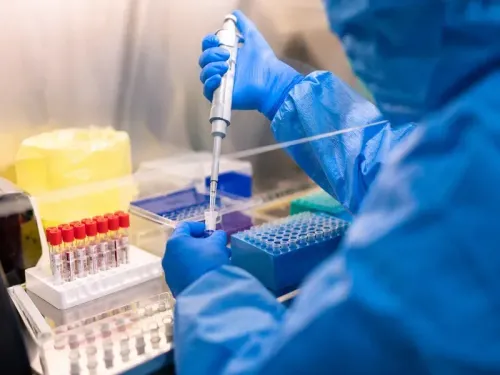
US officials were pointed in their criticism of the WHO's timeline. According to officials, the WHO received reports of a viral haemorrhagic fever as early as 5 May but did not publicly confirm the Ebola strain until 15 May — a gap of 10 days.
'We were late to this because the WHO was a little late to this,' a senior official said. 'On May 5 they had reports of the viral hemorrhagic fever. They didn't effectively track that down and identify that it was an Ebola strain for 10 days.' The official added that 'those few days can make a huge difference' in containing a fast-moving outbreak.
Following the WHO's 15 May confirmation, Washington rapidly mobilised emergency response systems, including the Centers for Disease Control and Prevention (CDC), the State Department, and humanitarian agencies.
Outbreak Location and Complications
Officials confirmed the outbreak is centred in a remote, conflict-affected region of the DRC, which is significantly complicating efforts to identify cases, move supplies, and deploy responders. The combination of difficult terrain and active conflict zones has slowed early containment measures.
This is not the DRC's first encounter with Ebola. The country suffered one of the deadliest outbreaks on record between 2018 and 2020, and the current episode raises concerns about response capacity in areas where health infrastructure remains fragile.
Travel Restrictions and Exposure Cases
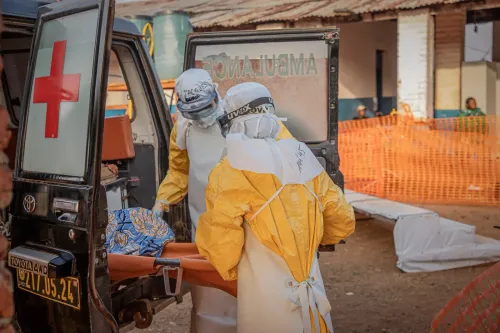
The CDC has issued a Title 42 order barring foreign nationals who have been in the DRC, Uganda, or South Sudan within the previous 21 days from entering the United States. Officials confirmed that one person linked to US evacuation efforts had tested positive, while eight individuals are being evacuated and several others are being monitored for possible exposure.
Notably, officials indicated the Democratic Republic of Congo's national football team would likely still be permitted to participate in the upcoming FIFA World Cup, as the players are already training in Europe and may not fall within the 21-day restriction window.
USAID Cuts and Accountability Questions
US officials rejected suggestions that reductions in USAID operations had weakened outbreak detection systems in Africa. 'There was no specific person or program associated with USAID in this region that would have detected this,' one official said, calling contrary allegations 'a lie.'
Officials added that the CDC retains a substantial presence in the region, including over 100 CDC staff in the DRC and more than 30 personnel in Kampala, the majority funded through State Department programmes. Whether that footprint proved sufficient in the critical early days of the outbreak is likely to remain a contested question as the response unfolds.
Point of View
But it lands in complicated territory. Washington is simultaneously cutting USAID operations globally and accusing a multilateral body of slow response — two positions that are difficult to hold without tension. The 10-day gap between the WHO's first haemorrhagic fever reports and its public Ebola confirmation is a legitimate accountability question, but the erosion of early-warning infrastructure on the ground — regardless of who funded it — is equally worth scrutinising. Nine-figure pledges are welcome; whether they arrive before the outbreak's critical window closes is the only number that will matter in retrospect.
NationPress
5 Oct 2026
Frequently Asked Questions
What is the current Ebola outbreak the US is responding to?
The outbreak is centred in a remote, conflict-affected region of the Democratic Republic of Congo (DRC) and was publicly confirmed by the WHO on 15 May. The US has described it as fast-moving and complicated by difficult terrain and active conflict zones.
Why is the US criticising the WHO over the Ebola outbreak?
US officials say the WHO received reports of a viral haemorrhagic fever as early as 5 May but took 10 days to identify and publicly confirm it as an Ebola strain. Officials argue that delay cost critical early response time.
How much aid is the US committing to the DRC Ebola response?
Washington had already committed approximately $23 million in bilateral aid as of 20 May, with a much larger package described as running into 'nine figures' being prepared. The funds will support up to 50 treatment centres and clinic deployments.
What travel restrictions has the US imposed due to the Ebola outbreak?
A CDC Title 42 order bars foreign nationals who have been in the DRC, Uganda, or South Sudan within the previous 21 days from entering the United States. One person linked to US evacuation efforts has tested positive, and eight individuals are being evacuated.
Did USAID cuts weaken Ebola detection in the DRC?
US officials denied this, stating there was no specific USAID person or programme in the affected region that would have detected the outbreak. They noted the CDC maintains over 100 staff in the DRC and more than 30 in Kampala, funded largely through State Department programmes.