US courts Kenya for Ebola quarantine hub near DRC outbreak zone
Synopsis
The Trump administration wants exposed Americans treated near the DRC Ebola outbreak — not flown home. CMS chief Mehmet Oz is pitching Kenya as the hub, with Germany on standby. The diplomatic urgency is amplified by upcoming US-hosted global sporting events that could bring millions of overseas visitors through US airports.
Key Takeaways
The Trump administration is negotiating with Kenya to host a quarantine and treatment facility near the DRC Ebola outbreak zone.
CMS Administrator Dr Mehmet Oz said exposed Americans should not be flown long distances for treatment.
Germany is among the fallback options if the Kenya arrangement does not materialise.
NIH Director Dr Jay Bhattacharya is coordinating the federal Ebola response with White House officials.
Ebola case-fatality rates have historically ranged from 25 to 90 per cent depending on the outbreak.
Enhanced screening tools have been deployed at major US international airports.
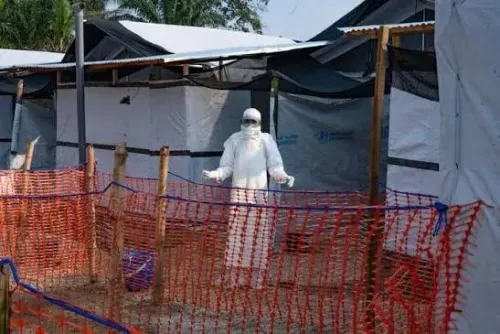
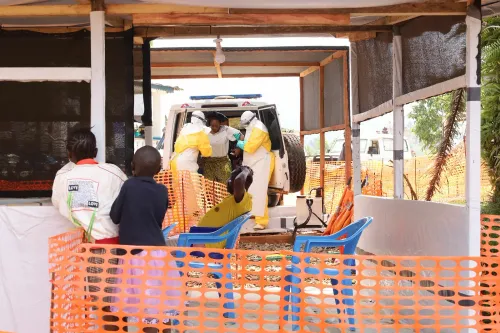
The Trump administration is in active talks with Kenya and other international partners to set up a quarantine and treatment hub near the epicentre of the ongoing Ebola outbreak in Africa, with senior US officials arguing that potentially exposed Americans should be treated close to the outbreak zone rather than flown back to the United States. The push was outlined at a White House news conference on 3 June, where Centers for Medicare and Medicaid Services (CMS) Administrator Dr Mehmet Oz said proximity to the Democratic Republic of the Congo (DRC) was central to Washington's response strategy.
Why Washington wants treatment near the outbreak
Oz, drawing on his background as a cardiac surgeon, said keeping treatment facilities close to the DRC would allow faster intervention if a patient deteriorated. ‘The main issue with having a facility close to the Democratic Republic of the Congo is if a patient is sick again, speak as a heart doctor, I want to take the patient to the O.R. that's right next door to the room they're sick in,' he said.
He added that long-haul transfers of suspected cases were risky. ‘Sending them across the world, especially when we're not sure what's going on with them, is probably not the wisest move,' Oz said.
Kenya talks and contingency options
The comments came amid questions over where American aid workers or first responders exposed to Ebola would be treated if Kenya declines to host the facility. Oz expressed confidence in diplomatic efforts being led by the State Department, calling Kenya ‘a beautiful country' with ‘very sophisticated people'.
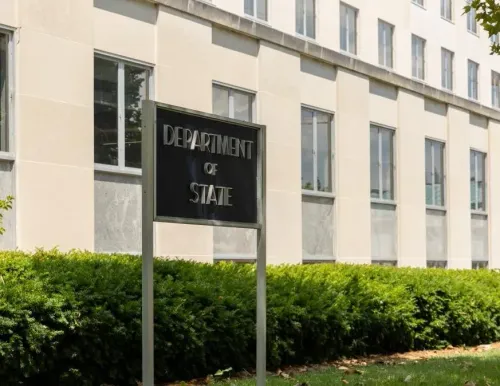
‘We are confident in the State Department is working on this diligently that they're going to be able to work out something with Kenya,' he said, adding that he expected Secretary Marco Rubio's leadership to deliver ‘a very favorable arrangement'.
Should the Kenyan arrangement fall through, Washington has fallbacks. ‘There are other people who might be willing to welcome us and we have our German colleagues as well,' Oz said. ‘So there's many places we can send folks.'
Screening and federal coordination
The broader US response includes funding for treatment efforts in affected regions and enhanced screening at major international airports. ‘We have very purposefully put up testing tools and mechanisms at the major airports for that people will be traveling through,' Oz said.
The federal effort is being coordinated by National Institutes of Health (NIH) Director Dr Jay Bhattacharya, with support from Dr Heidi Overton and other White House officials. Oz described it as ‘a well constructed game plan'.
Stakes ahead of major sporting events
The diplomatic urgency is sharpened by the United States preparing to host major international sporting events expected to draw large overseas crowds. Asked whether the policy of not flying exposed Americans home could deter healthcare volunteers, Oz said he did not believe so.
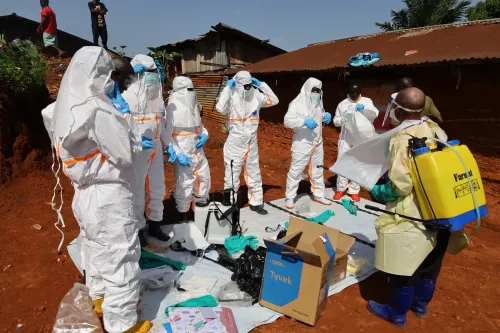
Ebola is a severe viral disease that can cause haemorrhagic fever, with historical case-fatality rates ranging from 25 to 90 per cent depending on the outbreak and available care, according to public health authorities. Rapid isolation, testing and treatment remain the standard playbook to curb transmission — a framework the Kenya hub, if finalised, is designed to support.
Point of View
But it also conveniently sidesteps the optics of Ebola patients arriving stateside ahead of marquee sporting events. The bigger question is leverage: what is Kenya being offered in return for hosting biosafety risk on its territory, and will the arrangement survive scrutiny from Nairobi's own public health establishment? Falling back on Germany if Kenya balks underscores how thin the coalition really is.
NationPress
19 Sept 2026
Frequently Asked Questions
Why is the US seeking a treatment facility in Kenya for Ebola?
The Trump administration wants to treat potentially exposed Americans close to the DRC outbreak zone rather than flying them home. CMS Administrator Mehmet Oz argued that long-distance transport of unstable patients is medically risky and that proximity allows faster intervention.
What happens if Kenya declines to host the facility?
Washington has contingency options, with Germany cited as a partner willing to help. Oz said ‘there's many places we can send folks', signalling that the State Department is exploring multiple host countries.
Who is leading the US federal Ebola response?
NIH Director Dr Jay Bhattacharya is overseeing the federal response, supported by Dr Heidi Overton and other White House officials. Diplomatic outreach to Kenya is being led by the State Department under Secretary Marco Rubio.
What screening measures has the US deployed?
The administration has installed testing tools and screening mechanisms at major US international airports targeting travellers from affected regions. The measures are part of a broader response that also includes US funding for treatment efforts in outbreak zones.
How deadly is Ebola?
Ebola is a severe viral disease that can cause haemorrhagic fever, with historical case-fatality rates ranging from 25 to 90 per cent depending on the outbreak and available care. Rapid isolation, testing and treatment are the standard tools used to limit transmission.