US commits $162 million to Ebola fight in DRC, Uganda, South Sudan
Synopsis
Washington has put $162 million behind its Ebola containment push across DRC, Uganda, South Sudan, Rwanda and Burundi — funding six treatment facilities, 43 clinics and cross-border surveillance. The framing is telling: the State Department's stated ‘highest priority' is keeping Ebola off American shores, even as US dollars power the frontline response in Central and East Africa.
Key Takeaways
The US has committed more than $162 million to the Ebola response across DRC , Uganda , South Sudan , Rwanda and Burundi .
Funding supports 6 dedicated Ebola facilities (5 transit centres + 1 treatment unit) and 43 health clinics .
IOM runs US-funded border screening; FHI 360 leads community outreach and lab expansion across 5 additional health zones.
The WFP is delivering food aid to patients and health workers in Goma , Beni Territory and Bukavu .
The State Department said its top priority is preventing the outbreak from reaching the United States.
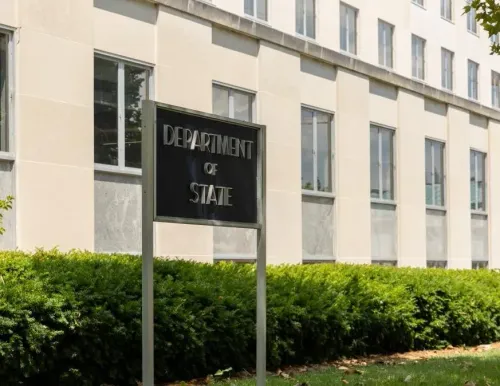
The United States has scaled up its response to the Ebola outbreak in Central and East Africa, committing more than $162 million in foreign assistance and rolling out a series of containment measures aimed at protecting Americans while supporting affected nations, the US State Department said on Wednesday. The expanded effort spans the Democratic Republic of the Congo (DRC), Uganda, South Sudan, Burundi and Rwanda.
Key commitments and partners
In its latest update, the State Department said it is working in close coordination with the US Centers for Disease Control and Prevention (CDC) and the governments of the DRC and Uganda to mount what it described as a ‘rapid and comprehensive response' to the outbreak.
‘The Department's highest priority remains protecting the health of the American people and preventing this Ebola outbreak from reaching our shores,' the State Department said.
Protecting US citizens abroad
The Department, in coordination with the CDC and other federal agencies, has issued guidance laying out a voluntary process to assist US citizens who may have been exposed to Ebola or who need help departing the DRC, South Sudon or Uganda during the outbreak. Americans in the region have been urged to enrol in the Smart Traveler Enrollment Program (STEP) for location-specific updates, while remaining subject to relevant health, travel and screening requirements imposed by US and foreign authorities.
On-the-ground response infrastructure
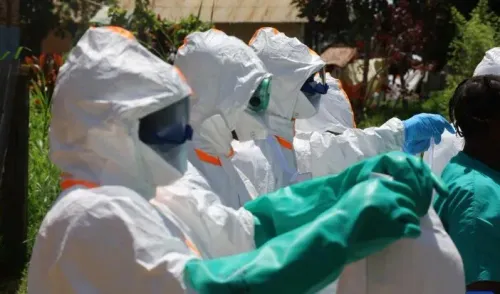
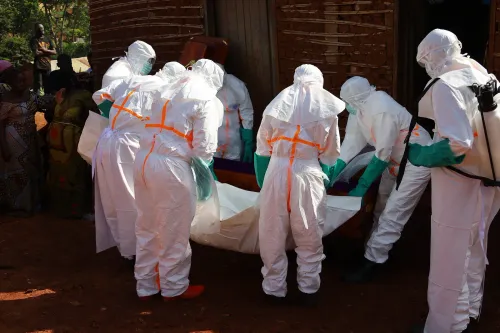
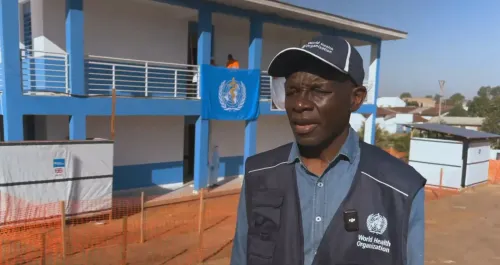
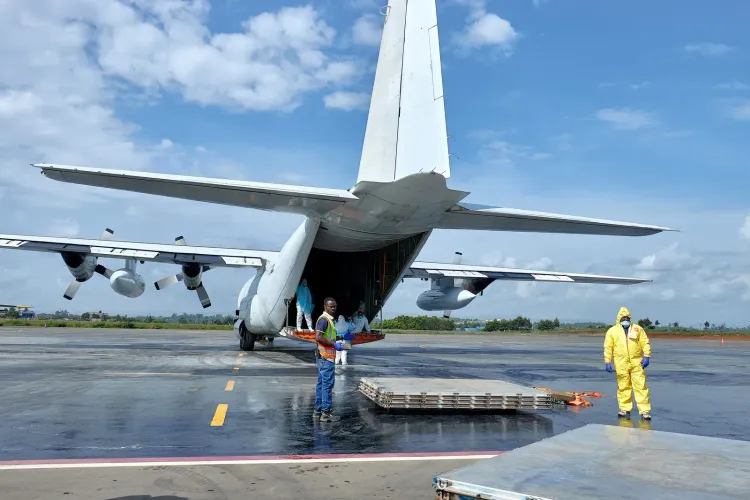
According to the update, US-funded implementers have established six specialised facilities to isolate and treat suspected or confirmed Ebola cases, including five transit centres and one dedicated Ebola treatment unit. Support continues for 43 health clinics involved in case detection and patient transport.
The International Organisation for Migration (IOM), backed by US funding, has set up health screening and surveillance operations at border crossings and control points across Burundi, the DRC, Rwanda, South Sudan and Uganda. Partner organisation FHI 360 is leading community engagement in the DRC, working with local leaders, faith groups and youth organisations, and running radio outreach in French and Swahili to counter misinformation and build trust in treatment centres.
Diagnostics and food assistance
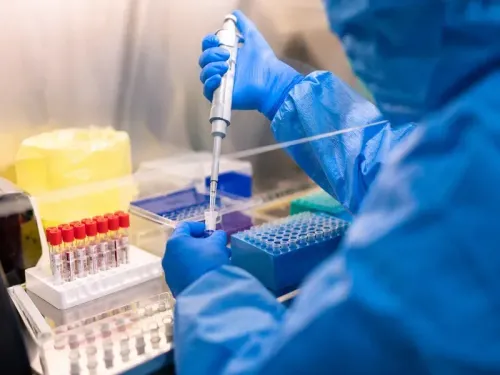
FHI 360 has also helped decentralise diagnostics by training laboratory staff, transporting samples and expanding testing in five additional health zones — a move the State Department said would shorten the time between sample collection and analysis. Separately, the UN World Food Programme (WFP), supported by Washington and other donors, is delivering food assistance to suspected and confirmed Ebola patients and healthcare workers in Goma, with operations recently expanded to Beni Territory and the city of Bukavu.
What happens next
US agencies are expected to maintain rolling coordination with the CDC, IOM and WFP as case detection and laboratory networks expand. Officials have signalled that the focus will remain on cross-border surveillance and rapid isolation, given the porous corridors between the affected nations.
Point of View
But the framing matters more. Washington is explicit that the ‘highest priority' is keeping Ebola out of the US — which means this is as much biosecurity self-interest as humanitarian aid. That is not a critique, just a clarifying lens: cross-border surveillance in Goma serves Atlanta too. The harder question is sustainability — past Ebola flare-ups in the DRC saw donor fatigue once the immediate outbreak curve flattened, leaving local health systems hollowed out. Whether the 43 supported clinics and five new lab zones outlast this funding cycle will determine if this is genuine capacity building or another emergency-mode sprint.
NationPress
18 Oct 2026
Frequently Asked Questions
How much has the US committed to the Ebola response in Africa?
The United States has committed more than $162 million in foreign assistance for the Ebola outbreak response across Central and East Africa. The funding spans treatment facilities, laboratory expansion, border screening and food assistance.
Which countries are covered by the US Ebola response?
The response covers the Democratic Republic of the Congo, Uganda, South Sudan, Rwanda and Burundi. US-funded border screening and surveillance operations are active in all five countries, with treatment infrastructure concentrated in the DRC.
What facilities has US funding helped set up?
US funding has established six dedicated Ebola response facilities — five transit centres and one Ebola treatment unit — and supports 43 health clinics involved in screening, transport and care. It also backs laboratory expansion in five additional health zones in the DRC.
What should US citizens in the affected region do?
The State Department has urged US citizens in the DRC, South Sudan and Uganda to enrol in the Smart Traveler Enrollment Program (STEP) for location-specific updates. A voluntary assistance process has been issued for Americans who may have been exposed or need help departing the region.
Who are the main implementing partners in the response?
Key partners include the US Centers for Disease Control and Prevention (CDC), the International Organisation for Migration (IOM), FHI 360 and the UN World Food Programme (WFP). They handle screening, community outreach, diagnostics and food aid respectively.