Baloch Activist Highlights Pakistani Leaders' Insecurity on 'Fake Day'
Synopsis
Baloch human rights defender Mir Yar Baloch criticizes the observance of 'Pakistan Day' as a 'fake' event, attributing the cancellation of the military parade to growing internal pressures and insecurity within the country.
Key Takeaways
Mir Yar Baloch criticized 'Pakistan Day' as a 'fake' observance.
The military parade's cancellation signifies internal pressures.
Leaders addressed the nation from secure locations .
This situation highlights the growing insecurity within Pakistani leadership.
Mir's remarks stress the need for acknowledging Baloch rights .
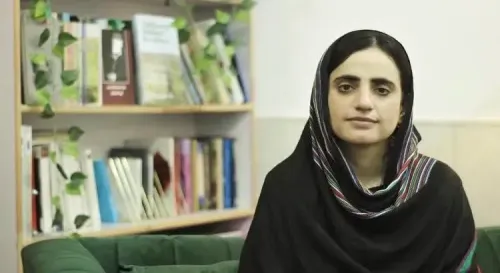
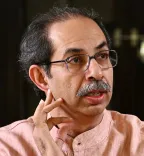
Quetta, March 23 (NationPress) Prominent Baloch human rights advocate Mir Yar Baloch denounced the celebration of 'Pakistan Day' on Monday, labeling it as 'fake'. He asserted that the cancellation of the military parade by Pakistani officials demonstrates escalating insecurity and increasing internal pressure.
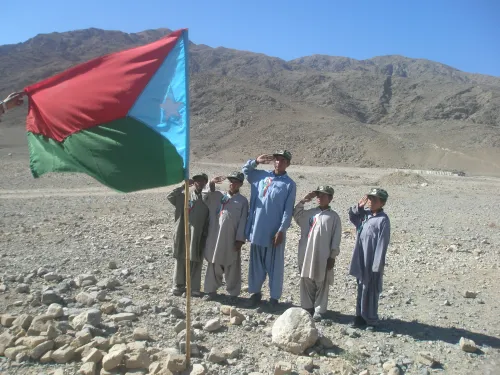
“The citizens of the Republic of Balochistan firmly reject the fake observance of March 23, which Pakistan refers to as its so-called 'Defence Day'. The Pakistan Army's decision to either cancel or significantly reduce the military parade for this date is not merely an administrative decision; it signifies the escalating insecurity and internal challenges the state is experiencing, particularly due to the Baloch freedom movement and the Pashtun resistance throughout the region,” Mir articulated on X.
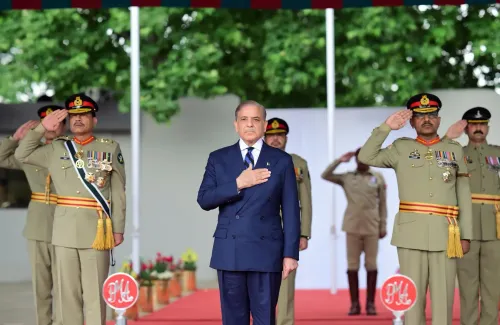
He pointed out that the March 23 parade has historically served as a showcase of military power. “However, this year was markedly different. Instead of the usual tanks parading through Islamabad and jets soaring above the capital, the nation experienced an atmosphere of uncertainty, security concerns, and leaders addressing the public from secure locations rather than engaging in public gatherings,” he remarked.
Mir emphasized that the Deputy Prime Minister of Pakistan, Ishaq Dar, delivered his address not from a public venue, parade ground, or national landmark, but from the safety of his own home.
In his video statement, Mir criticized that instead of tackling Pakistan's economic downturn, political turmoil, enforced disappearances, or the ongoing unrest in provinces like Balochistan and Khyber Pakhtunkhwa, Dar opted to threaten the Baloch and Pashtun communities while reiterating the familiar rhetoric regarding Kashmir.
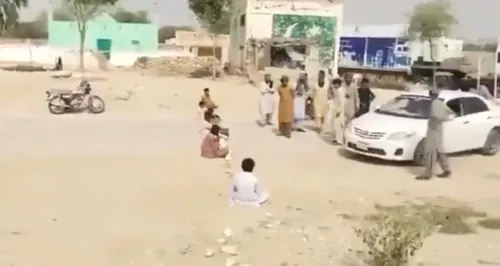
“The contrast was stark: threats issued from a secure location while those targeted are enduring military operations, air strikes, and enforced disappearances,” the human rights advocate noted.
Mir asserted that the subdued observance of Pakistan Day highlighted the caution and fear prevailing among Pakistani leadership.
“The cancellation or muted observance of the March 23 parade could be seen as a significant indicator, not of military dominance, but of a state under pressure from within. When leaders address the nation from drawing rooms instead of parade grounds, it often signals not confidence, but a collapse and fear of the shifting realities on the ground,” he added.
Point of View
It's essential to recognize the deep-seated issues raised by Mir Yar Baloch regarding the observance of 'Pakistan Day'. This situation underscores the complex dynamics of internal pressures that could reshape the political landscape in the region.
NationPress
23 Sept 2026
Frequently Asked Questions
What did Mir Yar Baloch say about 'Pakistan Day'?
Mir Yar Baloch rejected 'Pakistan Day' as 'fake' and attributed the cancellation of the military parade to growing insecurity within the country.
Why was the military parade canceled?
The cancellation was seen as a response to rising internal pressures and insecurity, particularly related to the Baloch freedom movement.
How did Pakistani leadership respond during the observance?
Leaders addressed the nation from secure locations instead of public gatherings, indicating a shift in confidence and security.
What are the implications of this situation?
This scenario may reflect a broader internal struggle within Pakistan, potentially affecting its political stability and public perception.
What is the significance of Mir's statements?
His statements highlight the ongoing tensions and challenges faced by the Baloch and Pashtun communities in light of governmental actions.