Baloch activist urges Trump to reject Pakistan mineral deals without local consent
Synopsis
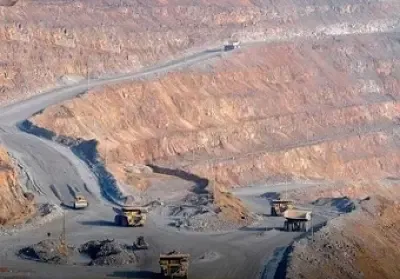
The head of the Baloch American Congress has written directly to President Trump, demanding the US block mineral deals in Balochistan that bypass Baloch consent — and warning Washington not to repeat what he calls the CPEC mistake. The letter lands as the US actively scouts Pakistan's mineral sector for critical supply chain alternatives to China.
Key Takeaways
Tara Chand , President of the Baloch American Congress , wrote to US President Donald Trump on 15 October 2026 .
He urged Washington to withhold support, financing, and guarantees for mineral projects in Balochistan lacking meaningful Baloch consent.
The letter cites alleged enforced disappearances, extrajudicial killings, arbitrary detentions, and suppression of political activity in the province.
Chand warned the US against repeating what he described as the mistakes of CPEC — Chinese investments that he argues bypassed Baloch communities.
The letter references a 30 September 2026 interview by US Charge d'Affaires Natalie A.
Baker as evidence of growing American interest in Pakistan's mineral sector.
He called for an impartial international investigation into alleged human rights abuses in Balochistan.
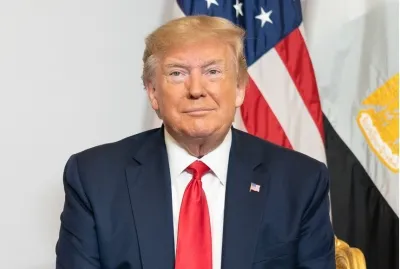
Tara Chand, President of the Baloch American Congress, has written to US President Donald Trump, urging his administration to withhold support for mineral extraction agreements in Balochistan negotiated through Pakistani authorities without the 'free and informed' consent of the Baloch people and verifiable human rights safeguards. The letter, sent from Washington on 15 October 2026, raises urgent questions about the human cost of proposed US commercial engagement in one of South Asia's most contested regions.
What the Letter Demands
Chand called on the Trump administration to withhold US government support, financing, and guarantees for mineral projects in Balochistan that lack meaningful Baloch consent. He also urged Washington to back an impartial international investigation into alleged abuses in the province and to press for accountability and protection of peaceful advocates.
He specifically urged Natalie A. Baker, the US Charge d'Affaires in Islamabad, and the US Department of State to engage directly with independent Baloch representatives, human rights defenders, and affected communities — arguing that assurances from Islamabad cannot substitute for the voices of those directly impacted.
Human Rights Concerns Cited
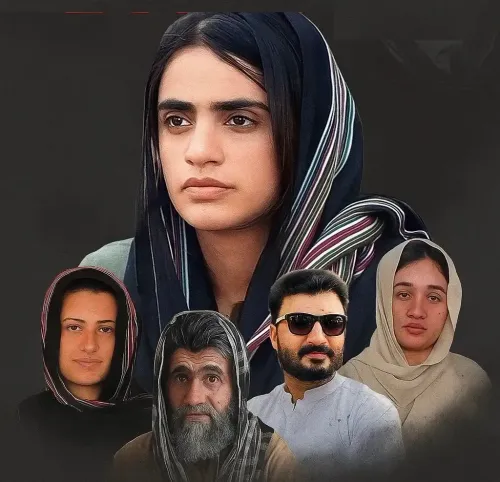
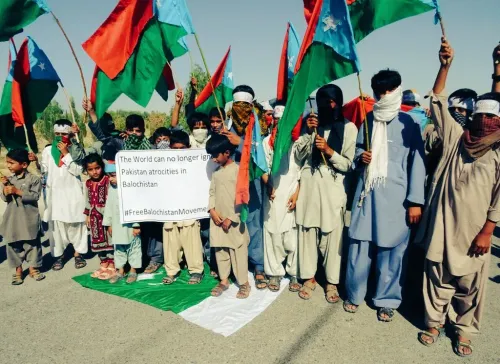
Chand's letter catalogues a pattern of alleged abuses by Pakistani authorities in Balochistan, including enforced disappearances, extrajudicial killings, arbitrary detentions, and the suppression of peaceful political activity. He called for independent investigations into these alleged violations, stressing that the province's human rights situation must inform any decision involving American investment in the region.
'For families searching for missing loved ones, promises of mineral development offer little reassurance without justice, safety, and respect for their rights. Economic agreements must never reward repression or give those accused of abuses greater resources and legitimacy,' Chand stated in his letter.
The CPEC Parallel and What It Signals
Chand drew an explicit parallel with Chinese investments under the China-Pakistan Economic Corridor (CPEC) in Balochistan, warning that projects imposed without meaningful local consent risk deepening resentment and instability. He urged the US to study those grievances before making commitments of its own — a pointed reference to criticism that CPEC benefited Islamabad and Beijing while bypassing Baloch communities.
Notably, the letter references a 30 September 2026 interview by Baker, publicised by the US Embassy in Pakistan, as the backdrop for growing American interest in Pakistan's mineral sector. 'I urge your administration to examine whose land and resources are being offered, who would benefit, and whether the affected people have any meaningful voice in these decisions,' the letter stated.
The Self-Determination Argument
Beyond the immediate investment question, Chand maintained that Balochistan was forcibly incorporated into Pakistan and that the Baloch people have been denied their right to self-determination. 'Balochistan is our homeland. Its natural wealth is the inheritance of its people, not a bargaining asset for Pakistan's political and military leadership,' he wrote.
This comes amid a broader international conversation about resource sovereignty in conflict-affected regions, and as Washington seeks to diversify critical mineral supply chains away from China. The letter represents a direct attempt to insert Baloch voices into that geopolitical calculus before any formal agreements are concluded.
Point of View
Giving Baloch advocacy groups a rare opening to shape US policy before commercial interests harden. The CPEC analogy is Chand's sharpest argument: if Washington proceeds without local consent frameworks, it risks importing the same legitimacy deficit that has plagued Chinese infrastructure investment in the province. The deeper tension is that the US push for mineral diversification and its stated commitment to human rights are on a collision course in Balochistan, and this letter forces that contradiction into the open. Whether the Trump administration treats it as a human rights obligation or a geopolitical inconvenience will be telling.
NationPress
15 Oct 2026
Frequently Asked Questions
Who is Tara Chand and what has he asked of President Trump?
Tara Chand is the President of the Baloch American Congress, a diaspora advocacy organisation. He has written to US President Donald Trump urging his administration to withhold support, financing, and guarantees for mineral extraction projects in Balochistan that lack free and informed Baloch consent and credible human rights safeguards.
What human rights concerns are raised about Balochistan in the letter?
The letter alleges a pattern of enforced disappearances, extrajudicial killings, arbitrary detentions, and repression of peaceful political activity by Pakistani authorities in Balochistan. Chand called for independent international investigations into these alleged abuses before any US commercial engagement proceeds.
Why does the letter reference the China-Pakistan Economic Corridor?
Chand cited CPEC as a cautionary example of large-scale investment in Balochistan that was, in his characterisation, imposed without meaningful local consent and deepened resentment among Baloch communities. He urged the US to study those grievances and avoid repeating the same approach with American-backed projects.
What triggered the letter at this point in time?
The letter was prompted by a 30 September 2026 interview by US Charge d'Affaires Natalie A. Baker, publicised by the US Embassy in Pakistan, which Chand interpreted as a signal of growing American commercial interest in Pakistan's mineral sector. He sought to intervene before formal commitments were made.
What is the Baloch American Congress's position on Balochistan's political status?
According to the letter, the Baloch American Congress maintains that Balochistan was forcibly incorporated into Pakistan and that the Baloch people have been denied their right to self-determination. Chand described Balochistan's natural resources as the inheritance of its people rather than assets for Pakistan's political and military leadership to negotiate.