Baloch activists condemn Pakistan's violent PoK crackdown, dozens killed
Synopsis
Baloch activists, including a jailed BYC chief and the Baloch National Movement chairman, have drawn a direct parallel between decades of repression in Balochistan and the deadly crackdown now unfolding in PoK — framing it not as isolated unrest but as a systemic pattern of Pakistani state violence against its own people, and calling on the UN to intervene.
Key Takeaways
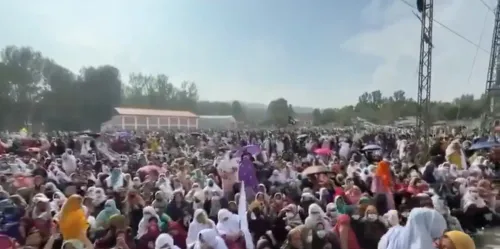
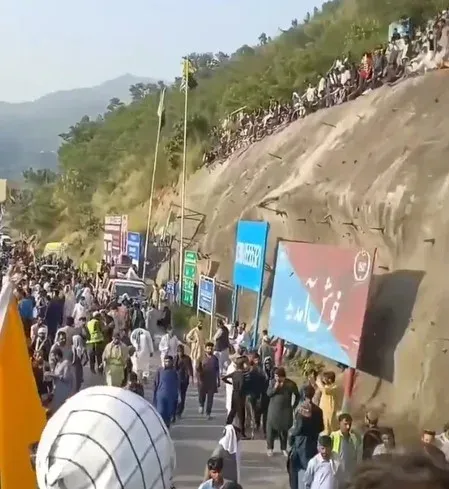
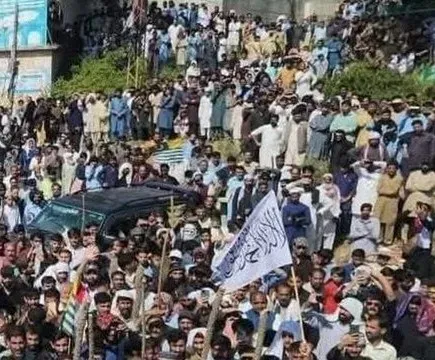
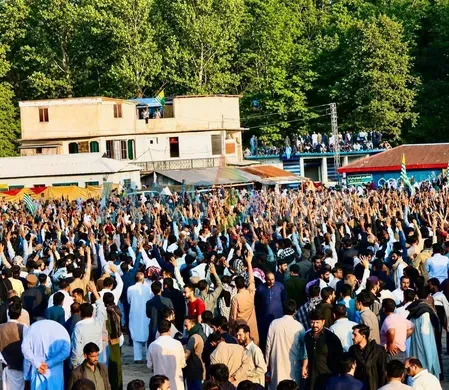
Dozens reportedly killed and hundreds injured in clashes between Pakistani law enforcement and protesters in Rawalakot, PoK .
Pakistani authorities banned the Joint Awami Action Committee (JAAC) under anti-terrorism laws ahead of its planned protest on 9 June .
Imprisoned Baloch Yakjehti Committee (BYC) chief Mahrang Baloch called the ban a reflection of the state's 'continuous oppressive conduct' against fundamental rights.
Baloch National Movement (BNM) chairman Naseem Baloch drew a parallel between Baloch persecution since 1948 and the current crackdown in PoK.
Human rights defender Mir Yar Baloch urged the United Nations and international community to intervene and protect civilian populations.
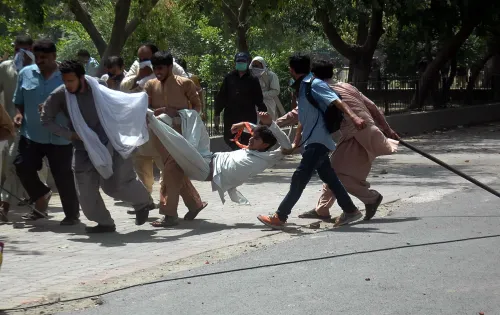
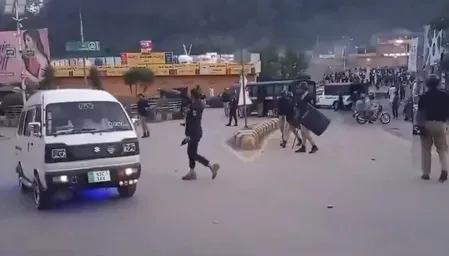
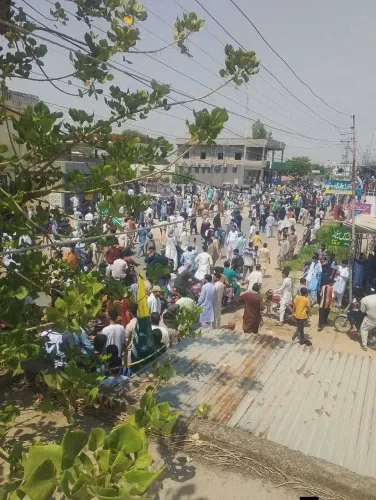
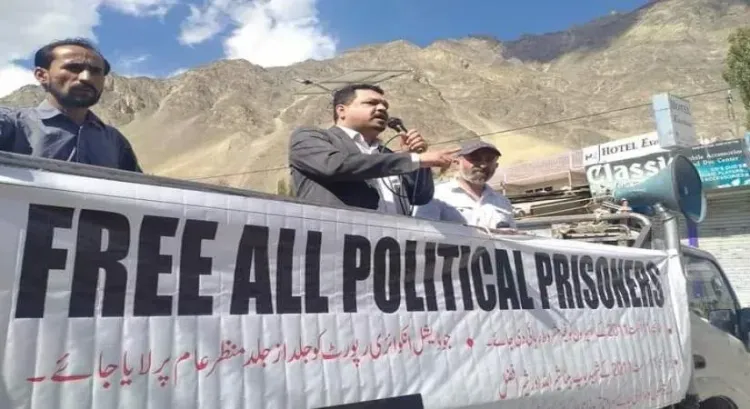
Baloch human rights activists on Thursday, 11 June strongly condemned the violent crackdown by Pakistani authorities against peaceful protesters in Pakistan-occupied Kashmir (PoK), as reports indicated that dozens of people had been killed and hundreds injured in deadly clashes between law enforcement personnel and demonstrators in Rawalakot city.
Background: The JAAC Ban and Protest Crackdown
The clashes erupted days after Pakistani authorities in the occupied territory declared the Joint Awami Action Committee (JAAC) a proscribed organisation under anti-terrorism laws, ahead of its planned protest on 9 June. Critics argue the ban was a pre-emptive attempt to suppress political dissent rather than a legitimate counter-terrorism measure. The JAAC had been at the forefront of civil society mobilisation in PoK over issues of political rights and economic deprivation.
Mahrang Baloch Speaks from Prison
Leading Baloch human rights activist and chief organiser of the Baloch Yakjehti Committee (BYC), Mahrang Baloch, currently imprisoned at Huda Jail in Quetta, posted a statement on X condemning the ban. 'The ban imposed on the Joint Public Action Committee (JAAC) is not merely a restriction on an organisation; rather, it reflects the state's continuous oppressive conduct against the freedom of expression, political liberty, and the struggle for fundamental rights of the people in oppressed regions,' she wrote. She further described the developments in PoK as a reflection of the 'oppressive mindset and policy' of the Pakistani state.
Baloch National Movement Draws Parallel to Decades of Repression
Naseem Baloch, chairman of the Baloch National Movement (BNM), sharply criticised what he called the ruthless suppression of public voices, mass arrests, and the use of force to crush political demands. Posting on X, he stated: 'Since 1948, the Baloch nation has endured similar forms of persecution, military aggression, political repression, enforced disappearances, and human rights violations. Therefore, we understand the pain, suffering, and sense of deprivation experienced by the Kashmiri people better than anyone.' His remarks drew a pointed historical parallel between the Baloch and Kashmiri experiences under Pakistani authority.
Calls for International Action
Human rights defender Mir Yar Baloch condemned the violence, citing reports of extrajudicial killings, enforced disappearances, arbitrary detentions, and widespread human rights violations in PoK. He argued that peace and stability in South Asia cannot be achieved as long as military occupation and political repression persist in the region. Posting on X, he called upon 'the United Nations and the international community to take meaningful steps toward protecting civilian populations, upholding international law, and supporting peaceful and democratic solutions to long-standing conflicts.'
Mir also highlighted what he described as a fundamental contradiction in Pakistan's foreign policy posture: 'For decades, Pakistan has attempted to portray itself as a champion of the Kashmiri cause while denying basic political rights and economic opportunities to the very people it claims to represent,' he said, urging the international community to hold all parties accountable to the principles of human rights, self-determination, and democratic governance.
Wider Context
This condemnation comes amid a broader pattern of civil unrest in PoK, where public grievances over inflation, lack of political autonomy, and economic marginalisation have periodically flared into street protests. Notably, the simultaneous imprisonment of a prominent Baloch activist and the crackdown in PoK underscore what critics describe as a systemic pattern of suppressing dissent across multiple regions under Pakistani administration. The situation is expected to draw renewed scrutiny from international human rights bodies.
Point of View
Groups that have themselves been on the receiving end of enforced disappearances and military operations for decades. Their solidarity with PoK protesters strips away Pakistan's long-standing narrative of being a defender of Kashmiri rights. The international community has largely looked away from PoK's political repression; the scale of the Rawalakot violence may make that harder to sustain.
NationPress
26 Oct 2026
Frequently Asked Questions
What triggered the violent clashes in Pakistan-occupied Kashmir?
The clashes in Rawalakot, PoK, were triggered after Pakistani authorities banned the Joint Awami Action Committee (JAAC) under anti-terrorism laws ahead of its planned protest on 9 June. Demonstrators who gathered despite the ban were met with force by law enforcement, reportedly resulting in dozens of deaths and hundreds of injuries.
Who is Mahrang Baloch and why is she in prison?
Mahrang Baloch is a leading Baloch human rights activist and the chief organiser of the Baloch Yakjehti Committee (BYC). She is currently imprisoned at Huda Jail in Quetta, from where she issued a statement condemning the PoK crackdown as evidence of the Pakistani state's 'continuous oppressive conduct' against political and civil rights.
What is the JAAC and why was it banned?
The Joint Awami Action Committee (JAAC) is a civil society coalition in Pakistan-occupied Kashmir that has been vocal about political rights and economic grievances. Pakistani authorities declared it a proscribed organisation under anti-terrorism laws just before its planned 9 June protest, a move critics argue was designed to suppress legitimate political dissent.
What are Baloch activists demanding from the international community?
Baloch human rights defenders, particularly Mir Yar Baloch, have called on the United Nations and the international community to take meaningful steps to protect civilian populations in PoK, uphold international law, and support peaceful, democratic solutions to long-standing regional conflicts. They have also urged scrutiny of Pakistan's dual stance of claiming to champion Kashmiri rights while denying basic rights to people under its administration.
How does the PoK crackdown connect to the situation in Balochistan?
Baloch activists draw a direct historical parallel, noting that since 1948 the Baloch nation has faced military aggression, enforced disappearances, and political repression similar to what is now reported in PoK. The Baloch National Movement chairman Naseem Baloch stated that this shared experience of Pakistani state repression gives Baloch activists a unique understanding of the suffering of the Kashmiri people.