Is the US Visa Bond List Addition for Bangladesh Really Unfortunate?
Synopsis
Bangladesh's Foreign Affairs Advisor, Touhid Hossain, has termed the US decision to include Bangladesh in the visa bond list as 'very unfortunate'. This move could require citizens to post bonds of up to $15,000 to apply for travel to the US, raising concerns about immigration issues. What does this mean for Bangladesh's international relations?
Key Takeaways
Bangladesh added to US visa bond list Bond amounts range from $5,000 to $15,000 Implications for immigration and bilateral relations Official payment methods required No refunds for unauthorized payments
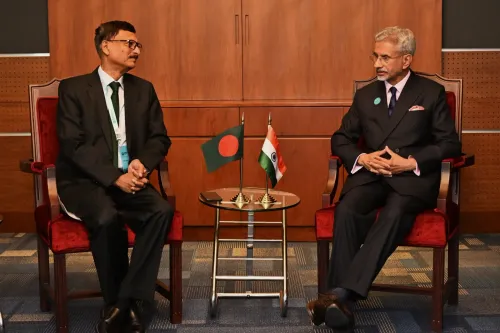
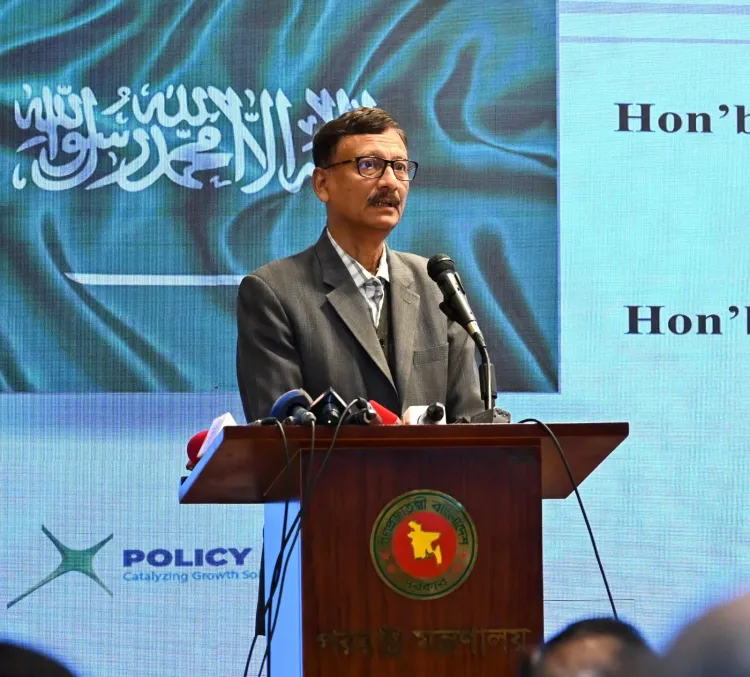
Dhaka, Jan 8 (NationPress) The Foreign Affairs Advisor of Bangladesh, Touhid Hossain, characterized the recent move by the Trump administration to add Bangladesh to the visa bond list as "very unfortunate", as reported by local media.
This response followed the US government's inclusion of Bangladesh among 24 other countries whose citizens may need to post bonds of up to USD 15,000 when applying for a US visa.
Hossain expressed, "This decision is not solely directed at Bangladesh. We are among the nations facing immigration-related challenges. To me, it is not out of the ordinary, but it is indeed unfortunate. It impacts us negatively," according to a report from the United News of Bangladesh (UNB).
Another prominent Bangladeshi news source, Daily Star, reported that "Foreign Affairs Advisor Md Touhid Hossain has deemed the US administration's recent decision regarding Bangladesh as very unfortunate."
The countries affected by this visa bond requirement include: Algeria, Angola, Antigua and Barbuda, Bangladesh, Benin, Bhutan, Botswana, Burundi, Cabo Verde, Central African Republic, Cote D’Ivorie, Cuba, Djibouti, Dominica, Fiji, Gabon, The Gambia, Guinea, Guinea Bissau, Kyrgyzstan, Malawi, Mauritania, Namibia, Nepal, Nigeria, Sao Tome and Principe, Senegal, Tajikistan, Tanzania, Togo, Tonga, Turkmenistan, Tuvalu, Uganda, Vanuatu, Venezuela, Zambia, and Zimbabwe.
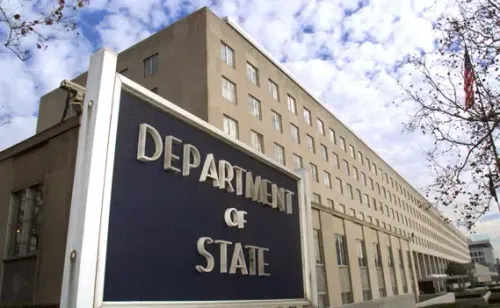
According to information from the US State Department, any citizen or national traveling to the US on a passport from one of these nations who meets the eligibility criteria for a B1/B2 visa must put up a bond of USD 5,000, USD 10,000, or USD 15,000, with the amount determined during the visa interview.
Furthermore, it states, "The applicant is required to submit a Department of Homeland Security Form I-352. They must agree to the bond terms via the Department of the Treasury’s online payment system, Pay.gov. This requirement applies regardless of where the application is made. Applicants should only submit Form I-352 to post a bond after being instructed by a consular officer. A direct link for payment through Pay.gov will be provided to applicants."
The US State Department emphasizes that applicants should refrain from using third-party websites for bond posting, as the US government holds no responsibility for any funds submitted outside its system. It warns, "A bond does not guarantee visa approval. Payments made without consular officer directives are non-refundable."
Point of View
I believe that while this decision by the US government may appear to target specific immigration issues, it raises broader questions about diplomatic relations and the potential impact on citizens. It is crucial for Bangladesh to address these immigration challenges collaboratively with the US to ensure fair treatment for its citizens.
NationPress
19 Sept 2026
Frequently Asked Questions
What is the US visa bond list?
The US visa bond list includes countries whose citizens may be required to post a financial bond when applying for a visa, aimed at mitigating immigration-related issues.
How much is the bond amount for Bangladeshi citizens?
Bangladeshi citizens may need to post a bond of USD 5,000, 10,000, or 15,000, depending on their eligibility during the visa interview.
What does this decision mean for Bangladesh?
This decision indicates increased scrutiny of Bangladeshi travelers and may complicate the visa application process, impacting bilateral relations.
Can applicants use third-party websites for bond payments?
No, applicants must use the official US government payment platform; payments made outside this system are not the government's responsibility.
Is the bond refundable?
No, if fees are paid without direction from a consular officer, they will not be refunded.