Bangladesh garment strike causes $428 million loss: Report
Synopsis
Bangladesh’s garment manufacturers estimate $428 million in factory losses and say $254 million in orders have shifted abroad as workers demand higher wages. The association says its loss estimate covers only 317 of the 600 factories affected by unrest.
Key Takeaways
Bangladesh ’s garment manufacturers’ association estimated $428 million in losses at 317 factories .
The association said orders worth $254 million had shifted to other countries.
Workers are seeking a monthly minimum wage of 30,000 taka ($240) , compared with the current 12,500 taka .
The association said 600 factories were affected, but only 317 supplied data in time.
The garment industry earns about $38 billion annually and accounts for four-fifths of Bangladesh ’s export earnings, according to the report.
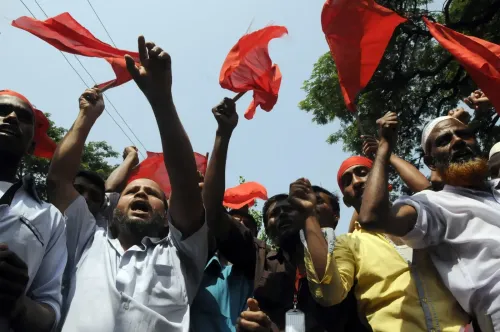
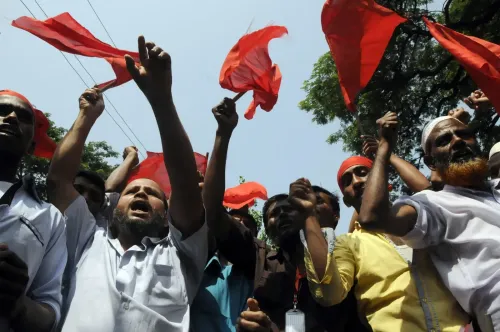
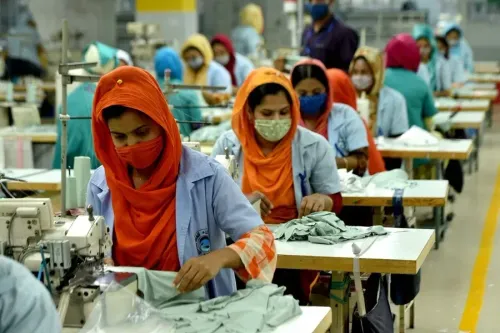
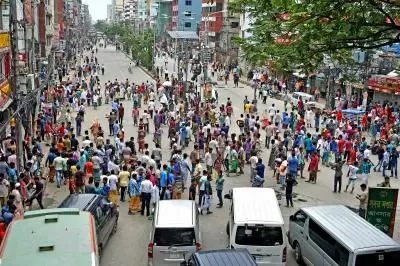
Bangladesh’s garment industry has lost an estimated $428 million as nationwide worker protests over wages disrupted production, the country’s main manufacturers’ association said, according to a report in Khaleej Times. The protests began in October, with workers seeking higher pay to meet rising living costs.
The Bangladesh Garment Manufacturers and Exporters Association said orders worth another $254 million had shifted to other countries. Its estimate was based on a survey of members and covered 317 factories that had supplied data in time.
Workers seek higher minimum wage
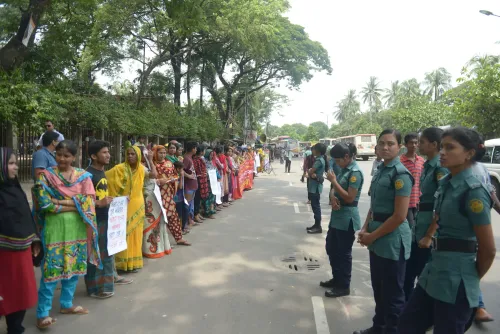
Workers are demanding a minimum monthly wage of 30,000 taka ($240), more than twice the 12,500 taka they currently receive, according to the report. They say their wages have not kept pace with the cost of food, housing, transport and healthcare.
The government-appointed wage board is expected to announce a new minimum wage the following month. The source report, dated 23 November, did not specify the year or the amount of the expected wage.
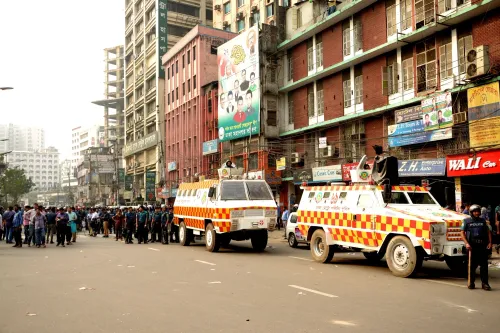
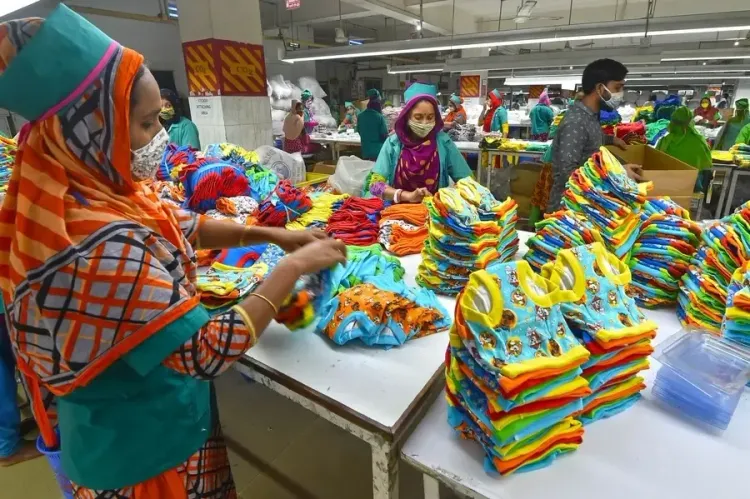
The protests have disrupted production at several of the country’s more than 4,000 garment factories. In some cases, striking workers have clashed with police, the manufacturers’ association said.
Factory losses and diverted orders
The association said 317 garment factories had reported losses of $428 million during the unrest. It also said only those 317 out of 600 factories affected had been able to submit data in time, meaning the reported estimate did not cover every affected factory.
“Actual losses could be much higher,” the association said. Its statement linked the strikes to production interruptions, delayed shipments and reduced confidence among international buyers.
The reported movement of $254 million in orders to other countries is a separate figure from the association’s estimated factory losses. The report did not identify the destination countries or specify whether the orders would return.
Export earnings and buyer confidence
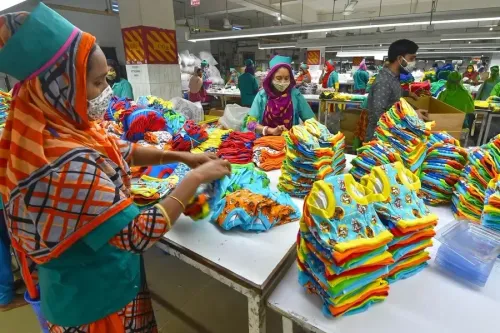
The garment industry earns around $38 billion annually and accounts for four-fifths of Bangladesh’s export earnings, according to the report. The country is described as the world’s second-biggest garment exporter, after China.
Factories in the sector make clothes for international brands including Fruit of the Loom and Levi Strauss. The disruption comes ahead of the busy Christmas season, when delayed shipments can affect orders for international buyers.
Mohammed Shahedul Islam, secretary-general of the manufacturers’ association, said it was imperative to overcome the situation in the interests of the economy and the livelihoods of millions of workers. He also warned that the effects extended beyond immediate financial losses to the industry’s image, reliability and future prospects in the global market.
Wage decision ahead
The expected wage-board announcement is the next identified development for workers and manufacturers. The source did not state whether the board would meet the workers’ 30,000 taka demand or when any new rate would take effect.
For now, the association’s figures provide a partial account of the disruption, while the wage decision and any further factory reports will be important in assessing what happens next.
Point of View
But it covers only a subset of affected factories and should not be treated as a complete accounting. The wage board’s decision will matter not just for pay but also for whether workers and manufacturers see a credible path towards resolving the dispute.
NationPress
23 Nov 2026
Frequently Asked Questions
How much has the Bangladesh garment strike cost factories?
The manufacturers’ association estimated losses of $428 million at 317 factories. It said the figure was based on data submitted by those factories and could understate the total.
Why are Bangladesh garment workers protesting?
Workers are demanding a higher minimum wage because they say pay has not kept pace with food, housing, transport and healthcare costs. They are seeking 30,000 taka a month, compared with the current 12,500 taka.
How have the protests affected garment orders?
The manufacturers’ association said orders worth $254 million had shifted to other countries. It also reported production disruptions, delayed shipments and weakened buyer confidence.
When will Bangladesh announce a new garment minimum wage?
The source report said a government-appointed wage board was expected to announce a new minimum wage the following month. The report was dated 23 November but did not specify the year.
Why does the garment industry matter to Bangladesh?
The garment industry accounts for four-fifths of Bangladesh’s export earnings and earns around $38 billion annually, according to the report. It also supports the livelihoods of millions of workers, the manufacturers’ association said.