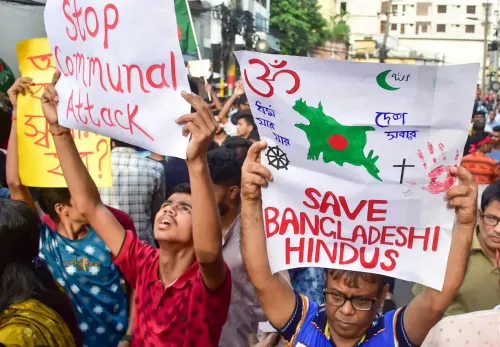
Bangladesh Hindus may vanish in a decade, warns minority rights activist
Synopsis
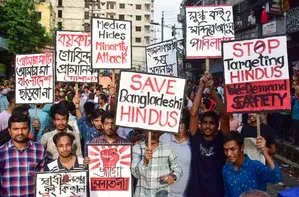
A Bangladesh Supreme Court lawyer and minority rights activist has warned that the Hindu community could cease to exist in Bangladesh within a decade if the current climate of violence, intimidation, and institutional failure persists. The alarm follows the brutal murder of a four-member Hindu family in Rangpur and a sharp deterioration in minority security since the political upheaval of August 2024.
Key Takeaways
Minority rights activist and Bangladesh Supreme Court lawyer Chaitali Chakraborty warned Bangladesh could have no Hindu population within a decade if violence continues.
Conditions for religious minorities have sharply deteriorated since the political upheaval of 5 August 2024 , according to Chakraborty.
A Hindu family of four — including a 12-year-old boy and a 65-year-old retired teacher — was murdered in Rangpur ; bodies recovered on 22 August .
Fear of retaliation is reportedly preventing local witnesses from cooperating with the police investigation.
Chakraborty has called on lawmakers in the United States , Britain , and the European Union to press Dhaka on minority protections.
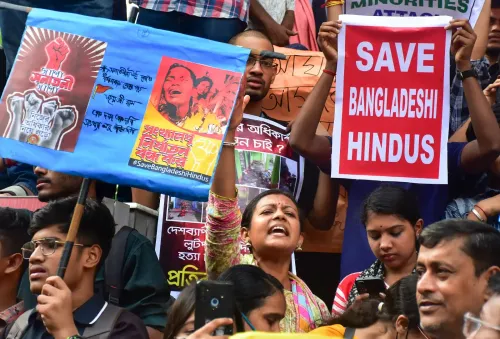
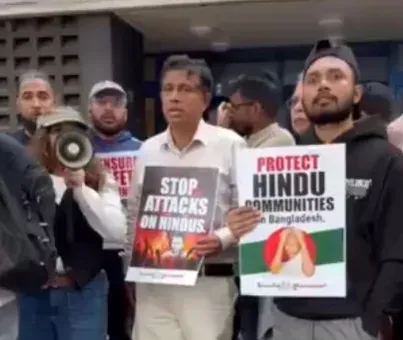
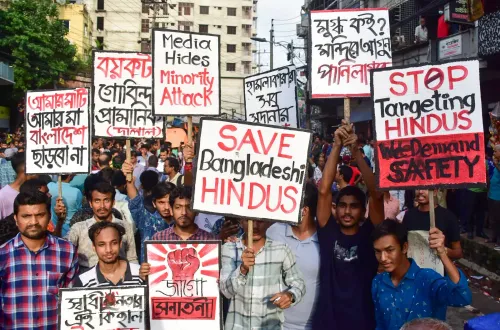
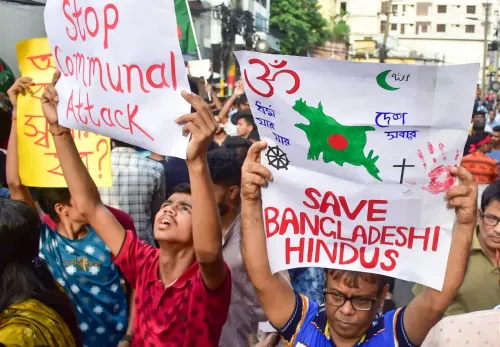
Bangladesh's Hindu minority is living under escalating fear, intimidation, and institutional neglect, warned Chaitali Chakraborty, a Bangladesh Supreme Court lawyer and minority rights activist, who cautioned that unchecked violence could drive the community out of the country entirely within a decade. Her remarks, made in an interview with Salah Uddin Shoaib Choudhury, editor of Bangladeshi newspaper Blitz, come amid intensifying global scrutiny over communal violence and the treatment of religious minorities in Bangladesh.
Deterioration Since August 2024 Political Upheaval
Chakraborty said conditions for religious minorities have sharply deteriorated since the political upheaval of 5 August 2024. “From August 5 until today, we are really in an unstable environment, and we have no security,” she said. While she acknowledged that ordinary Bangladeshi citizens across communities have felt increasingly vulnerable, she stressed that Hindus carry an additional burden owing to their religious identity. Those who publicly advocate for minority rights, she added, can themselves become targets of intimidation.
Rangpur Family Murder Deepens Fear
Chakraborty highlighted the brutal killing of four members of a Hindu family in Rangpur city as emblematic of the wider crisis. The bodies of retired Rangpur Zilla School teacher Ganapati Chakraborty, 65; his wife Pritilata Chakraborty, 50; their daughter Agami Chakraborty Prarthi, 23; and their son Priyam Chakraborty, 12, were recovered on the night of 22 August, two days after the incident on 20 August. She argued that the seemingly deliberate and organised nature of the attack raised questions about the possible involvement of professional or ideologically driven perpetrators, and called for an impartial, comprehensive probe. Fear of retaliation, she noted, is preventing local residents from sharing crucial information with investigators.
Warning of Long-Term Demographic Consequences
Chakraborty's gravest concern is demographic. She warned that if the current climate of violence, property disputes, social intimidation, and economic pressure continues unchecked, Bangladesh could be left with no Hindu population within a decade. This reflects a pattern minority-rights advocates have long documented: communal violence does not necessarily produce overnight mass displacement, but persistent insecurity steadily pushes minority families toward migration, eroding a community’s presence over years rather than in a single crisis.
Call for International Intervention
Chakraborty urged lawmakers and policymakers in the United States, Britain, and the European Union to raise the issue directly with Dhaka and press Bangladeshi authorities to enforce protections for minority citizens. Her appeal adds to a growing chorus of international voices demanding accountability from Bangladesh’s government over the treatment of its Hindu and other religious minority communities.
Broader Context
Bangladesh’s Hindu population has declined significantly over decades, according to demographic data, from roughly 28% of the population at independence in 1971 to an estimated 8–9% today. Minority-rights groups attribute the decline to recurring cycles of communal violence, land dispossession, and emigration. The latest wave of concern follows the political transition of mid-2024, which critics say created a law enforcement vacuum that emboldened attacks on vulnerable communities. How Bangladesh’s authorities respond to both the Rangpur killings and the broader security environment will be closely watched in the weeks ahead.
Point of View
A trajectory driven by recurring violence, land dispossession, and emigration that authorities have never systematically reversed. The Rangpur murders are not an isolated incident but a data point in a long pattern, and the reported reluctance of witnesses to speak underscores how deeply impunity has taken root. International pressure is necessary but historically insufficient without domestic institutional will. The real question is whether Bangladesh’s current administration treats minority protection as a governance priority or a diplomatic inconvenience.
NationPress
16 Oct 2026
Frequently Asked Questions
What did activist Chaitali Chakraborty warn about Bangladesh's Hindu community?
Chakraborty, a Bangladesh Supreme Court lawyer and minority rights activist, warned that Bangladesh could be left with no Hindu population within a decade if the current climate of violence, intimidation, and institutional failure persists. She made the remarks in an interview with Bangladeshi newspaper Blitz, citing the sharp deterioration in minority security since the political upheaval of 5 August 2024.
What happened to the Hindu family in Rangpur?
Four members of a Hindu family were murdered in Rangpur city, Bangladesh. The victims were retired teacher Ganapati Chakraborty (65), his wife Pritilata Chakraborty (50), their daughter Agami Chakraborty Prarthi (23), and their son Priyam Chakraborty (12). The incident occurred on 20 August, with the bodies recovered two days later on the night of 22 August.
Why is the Rangpur murder investigation stalling?
According to Chakraborty, fear of retaliation is preventing local residents from sharing crucial information with police. She has called for an impartial and comprehensive probe, arguing the seemingly deliberate and organised nature of the attack raises questions about the possible involvement of professional or ideologically driven perpetrators.
What international action has Chakraborty called for?
Chakraborty has urged lawmakers and policymakers in the United States, Britain, and the European Union to raise the issue of minority persecution with Bangladesh’s authorities and press Dhaka to enforce protections for its Hindu and other minority communities.
How has Bangladesh's Hindu population changed over time?
Bangladesh’s Hindu population has declined significantly over decades, from an estimated 28% of the population at independence in 1971 to roughly 8–9% today. Minority-rights groups attribute the decline to recurring cycles of communal violence, land dispossession, and emigration.