Bangladesh's professional bodies split by partisan lines, standards erode
Synopsis
Bangladesh's Supreme Court Bar Association has barred 42 lawyers from contesting elections over alleged Awami League ties — a move The Daily Star editor Mahfuz Anam calls unconstitutional and a harbinger of deeper institutional decay. The episode lays bare how partisan capture of professional bodies is quietly hollowing out Bangladesh's democratic foundations.
Key Takeaways
42 out of 90 candidates were barred from the Supreme Court Bar Association (SCBA) elections scheduled for 13–14 May over alleged Awami League affiliations.
The disqualifications were made under the Anti-Terrorism (Amendment) Act, 2025 , which bans Awami League political activities.
The Daily Star editor Mahfuz Anam called the move a violation of the lawyers' legal and constitutional rights.
The SCBA has refused to make its formal resolution public, drawing transparency concerns.
Anam warned the conduct is "extremely damaging" for the Tarique Rahman -led BNP government's reputation.
The pattern of institutional politicisation has persisted across successive governments, suggesting a structural rather than partisan problem.
Bangladesh's professional institutions are increasingly fracturing along political fault lines, with doctors, lawyers, engineers, and journalists openly prioritising party allegiance over professional conduct, according to a prominent editorial published on Monday, 4 May. The trend, analysts warn, is systematically undermining the country's modernisation prospects.
The Core Problem: Politics Over Professionalism
Mahfuz Anam, Editor of leading Bangladeshi newspaper The Daily Star, argued that the politicisation of public service bodies — including the bureaucracy, administration, and law enforcement — has fundamentally shifted institutional accountability away from citizens and toward whichever party holds power. "One of the key factors that has prevented our modernisation and progress is politicisation of public service bodies like the bureaucracy, administration, and law enforcement institutions, whose accountability has shifted from the people and transformed into loyalty to the ruling party of the day," Anam stated.
SCBA Election Row: 42 Lawyers Barred
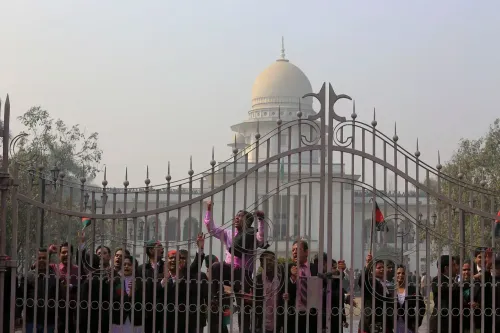
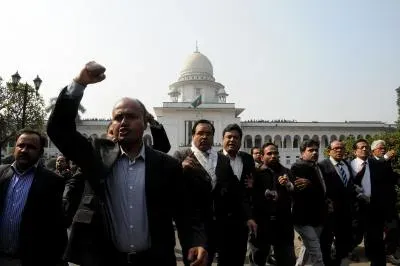
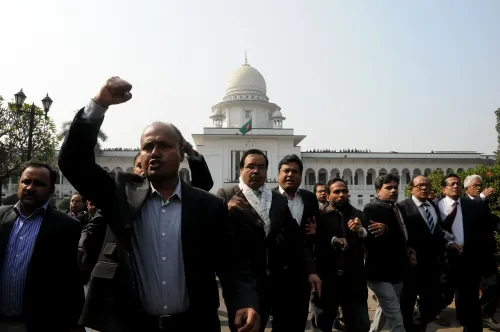
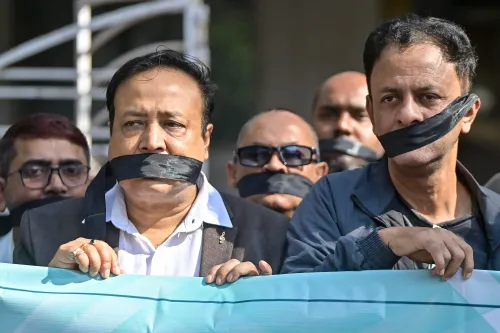
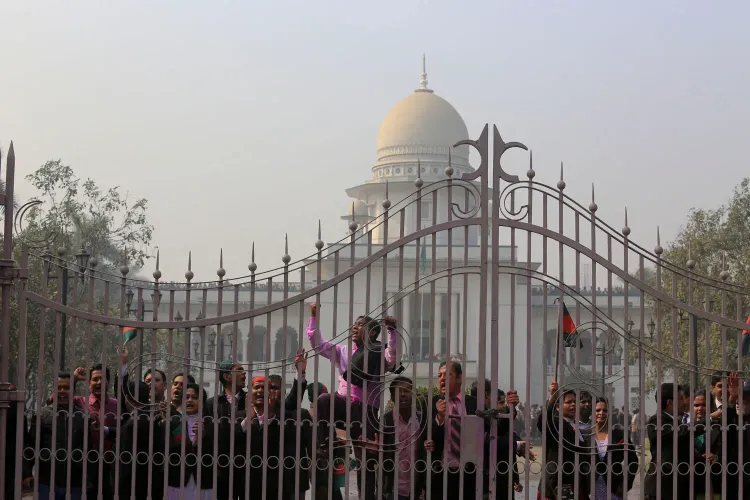
A particularly stark example emerged from the legal profession last week, when the Supreme Court Bar Association (SCBA) rejected the nomination papers of 42 lawyers out of 90 candidates ahead of its elections scheduled for 13–14 May. The disqualifications were made on the grounds of the candidates' alleged affiliation with the Awami League, whose political activities have been banned under the Anti-Terrorism (Amendment) Act, 2025.
Anam sharply criticised the move, noting that the 42 lawyers reportedly submitted their candidacy applications in their individual capacity — not as Awami League representatives. "With one stroke, electoral rivals were totally removed," he wrote, adding that the SCBA has so far refused to make its formal resolution public, raising serious questions about transparency. He argued the disqualifications amount to a violation of the lawyers' legal and constitutional rights.
"Today, the SCBA is practically taking away their right to contest elections, and tomorrow, they may use the same law to deprive them of their right to practise. So, the decision by SCBA has serious implications and must be thoroughly examined," Anam stressed.
Implications for the BNP Government
Anam warned that such conduct is not only dangerous in principle but also "extremely damaging" for the reputation of the Tarique Rahman-led Bangladesh Nationalist Party (BNP) government, which has publicly expressed opposition to such partisan overreach. The SCBA's actions, he argued, erode public faith in both the law and the constitution — and risk setting a precedent that other professional bodies could follow.
A Broader Warning for Bangladesh
Stepping back from the specific SCBA controversy, Anam framed the issue as a civilisational challenge for Bangladesh. "Take a look at the world and realise where every profession has gone, is going, and where they are headed. Do we have any chance of competing without transforming ourselves?" he wrote. He called for a restoration of professionalism across every institution in the country as the essential starting point for genuine national progress.
This is not the first time Bangladeshi civil society has raised alarms about institutional politicisation — similar concerns were voiced during the previous Awami League administration. The recurrence across successive governments suggests the problem is structural, not merely partisan.
Point of View
However legitimate in intent, can be repurposed as instruments of political exclusion. Banning 42 lawyers from contesting a bar association election — without publishing the legal basis — is precisely the kind of opaque, partisan manoeuvre that erodes institutional legitimacy. What makes this doubly damaging is that it implicates the BNP government, which built its recent political identity around opposing Awami League-era overreach. If the new dispensation tolerates the same playbook with different targets, Bangladesh's professional institutions will remain captured — just by a different faction. Anam is right that this is structural, and the international community watching Bangladesh's democratic transition should note that the rot runs deeper than any single party.
NationPress
25 Sept 2026
Frequently Asked Questions
Why were 42 lawyers barred from the SCBA elections in Bangladesh?
The Supreme Court Bar Association rejected the nomination papers of 42 lawyers out of 90 candidates ahead of its 13–14 May elections, citing their alleged affiliation with the Awami League, whose political activities are banned under the Anti-Terrorism (Amendment) Act, 2025. Critics, including The Daily Star editor Mahfuz Anam, argue the move violates the lawyers' constitutional rights since they reportedly applied as individuals, not as Awami League candidates.
What is the Anti-Terrorism (Amendment) Act, 2025 in Bangladesh?
The Anti-Terrorism (Amendment) Act, 2025 is a Bangladeshi law under which the political activities of the Awami League have been banned. The SCBA cited this legislation as the basis for disqualifying candidates with alleged Awami League ties from its upcoming bar association elections.
Who is Mahfuz Anam and why is his editorial significant?
Mahfuz Anam is the Editor of The Daily Star, one of Bangladesh's most prominent English-language newspapers. His editorial is significant because it offers a high-profile, credible critique of institutional politicisation from within civil society, warning that the trend threatens Bangladesh's professional standards and democratic credibility.
How does this affect the BNP government's reputation?
Anam described the SCBA's conduct as 'extremely damaging' for the Tarique Rahman-led BNP government, which has publicly opposed partisan overreach. If the government is seen as tolerating or enabling the exclusion of political rivals from professional bodies, it risks undermining its own stated democratic credentials.
Is politicisation of professional bodies a new problem in Bangladesh?
No — similar concerns were raised during the previous Awami League administration. The recurrence across successive governments suggests the problem is structural and deeply embedded in Bangladesh's institutional culture, rather than being the fault of any single party.