Rights group flags political interference in Bangladesh bar elections
Synopsis
A Paris-based rights organisation has documented alleged irregularities in at least 23 bar association elections across Bangladesh, with roughly 365 lawyers reportedly excluded or intimidated under the BNP-led government. The pattern of forced non-contestation — giving BNP-aligned candidates uncontested wins — has drawn an international warning about the erosion of judicial independence in Bangladesh.
Key Takeaways
Justice Makers Bangladesh in France (JMBF) released a report covering bar elections held between 17 February and 30 May 2026 .
Alleged irregularities were documented in at least 23 bar association elections , affecting approximately 365 lawyers and candidates across 334 executive committee positions .
Forced non-contestation was the most common pattern, reported across 14 bar associations and affecting approximately 188 lawyers across 181 posts .
Lawyers perceived to be aligned with the Awami League reportedly avoided contesting due to fears of arrest, threats, and alleged false criminal cases.
JMBF has called on the Bangladesh government , bar authorities, and international rights bodies to ensure free and fair elections and protect lawyers from political retaliation.
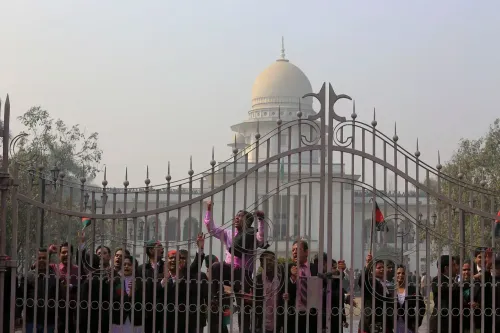
Justice Makers Bangladesh in France (JMBF) has raised alarm over alleged political exclusion, intimidation, and electoral obstruction in bar association elections held across Bangladesh between 17 February and 30 May 2026, warning that the documented pattern threatens the independence of the country's legal profession and democratic institutions.
Key Findings of the Report
In its report titled 'Silencing the Legal Profession: Escalating Intimidation, Exclusion, and Obstruction of Bar Association Elections in Bangladesh (17 February–30 May 2026)', JMBF documented alleged irregularities in at least 23 bar association elections, affecting approximately 365 lawyers and candidates across 334 executive committee positions. The findings were drawn from elections conducted under the Bangladesh Nationalist Party (BNP)-led government.
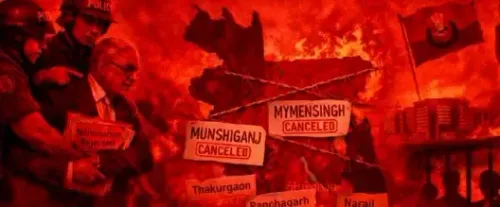
According to the report, incidents included forced non-contestation, obstruction from collecting nomination papers, cancellation of nominations after submission, intimidation, and threats of violence. The organisation characterised these as part of an increasingly systematic trend, not isolated occurrences.
Pattern of Forced Non-Contestation
JMBF identified forced 'non-contestation' as the most prevalent pattern, reportedly occurring across 14 bar associations and affecting approximately 188 lawyers and candidates across 181 executive committee posts. Many lawyers perceived to be aligned with the Awami League reportedly refrained from contesting elections due to fears stemming from alleged false criminal cases, arrests, threats, and concerns for personal security.
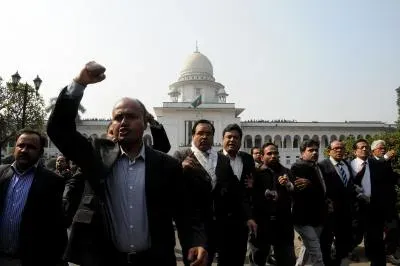
'In numerous cases, the absence of opposition candidates resulted in uncontested victories for BNP-aligned candidates, effectively eliminating meaningful electoral competition,' the report noted. The organisation also flagged alleged incidents at the Supreme Court Bar Association, which it described as particularly significant given its institutional standing.
What JMBF Has Called For
The organisation called on the government of Bangladesh, bar association authorities, and judicial institutions to ensure free, fair, transparent, and inclusive bar association elections. It further urged national and international human rights bodies, legal associations, and democratic partners to closely monitor developments affecting the independence of the legal profession in Bangladesh.
JMBF additionally stressed the need to protect lawyers' rights to participate freely in professional institutions without fear of intimidation, discrimination, or political retaliation.
Broader Implications for Rule of Law
JMBF warned that the documented pattern poses serious risks not only to the legal profession but also to democratic governance and the broader rule of law in Bangladesh. 'Bar associations play a critical role in safeguarding judicial independence, protecting legal rights, and ensuring accountability within the justice system. Any attempt to politicise or restrict participation in these institutions threatens the integrity of the legal profession and democratic governance,' the organisation stated.
This comes amid a wider international focus on democratic backsliding in South Asia, with legal institutions increasingly viewed as a frontline indicator of institutional health. Whether the Bangladesh government responds to these findings will be closely watched by regional observers and international rights bodies.
Point of View
The independence of the judiciary itself comes under structural pressure. Uncontested victories for government-aligned candidates in 14 bar associations is not an anomaly — it is a pattern. Bangladesh's democratic credibility, already under international scrutiny, will be further tested by how its government responds to these findings. The absence of a credible rebuttal or reform commitment would confirm what critics have long argued — that institutional capture in Bangladesh is moving downstream from politics into the professions.
NationPress
16 Oct 2026
Frequently Asked Questions
What did the JMBF report on Bangladesh bar elections find?
The report by Justice Makers Bangladesh in France (JMBF) documented alleged irregularities in at least 23 bar association elections held between 17 February and 30 May 2026, affecting approximately 365 lawyers and candidates across 334 executive committee positions. It identified a systematic pattern of intimidation, forced non-contestation, and obstruction targeting lawyers perceived to be aligned with the Awami League.
What is 'forced non-contestation' as described in the report?
Forced non-contestation refers to a pattern where lawyers reportedly refrained from standing in elections due to fears of arrest, threats, alleged false criminal cases, and political pressure. According to JMBF, this occurred across 14 bar associations, affecting around 188 lawyers and resulting in uncontested wins for BNP-aligned candidates.
Which government is implicated in the alleged interference?
The report covers elections conducted under the Bangladesh Nationalist Party (BNP)-led government. JMBF noted that lawyers perceived to be affiliated with the Awami League and its allied professional organisations were disproportionately affected by the alleged exclusion and intimidation.
Why does interference in bar association elections matter?
Bar associations are critical to safeguarding judicial independence, protecting legal rights, and ensuring accountability within the justice system. JMBF warned that politicising these institutions threatens the integrity of the legal profession and the broader rule of law in Bangladesh.
What has JMBF called for in response to its findings?
JMBF has called on the Bangladesh government, bar association authorities, and judicial institutions to ensure free, fair, transparent, and inclusive elections. It has also urged international human rights bodies and democratic partners to monitor developments and protect lawyers from political retaliation.