Bangladesh measles outbreak 2025: 1,147 deaths, 2,02,000 cases amid immunisation collapse
Synopsis
Bangladesh has become the epicentre of the world's worst measles outbreak of 2025, with 1,147 deaths and over 2,02,000 suspected cases — nearly all child fatalities. The real story is systemic: 40% of children went unregistered, a third of health worker posts are vacant, and vaccination data was so flawed it showed over 100% coverage in some areas while children died unvaccinated in remote villages.
Key Takeaways
Bangladesh has recorded 1,147 measles deaths and more than 2,02,000 suspected cases since mid-March 2025 — the worst outbreak globally this year.
94 per cent of deaths have been among children under five ; 22,000 cases have been laboratory-confirmed by the WHO .
First-dose vaccine coverage dropped to 90 per cent and second-dose to 86 per cent in 2025, well below the 95 per cent threshold needed for herd immunity.
40 per cent of children were unregistered, according to UNICEF and the Bangladesh Bureau of Statistics , and roughly a third of health worker posts are reportedly unfilled.
By September 2025 , Bangladesh was averaging 1,198 new cases per day — the highest since May.
Health experts are urging the government to expand vaccination to children over five , who account for around a third of current cases.
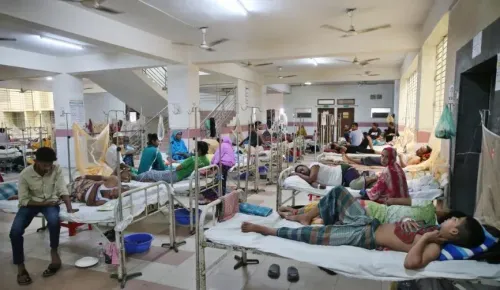
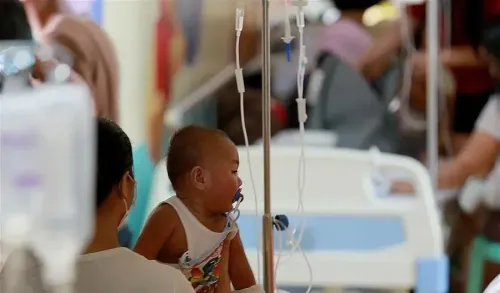
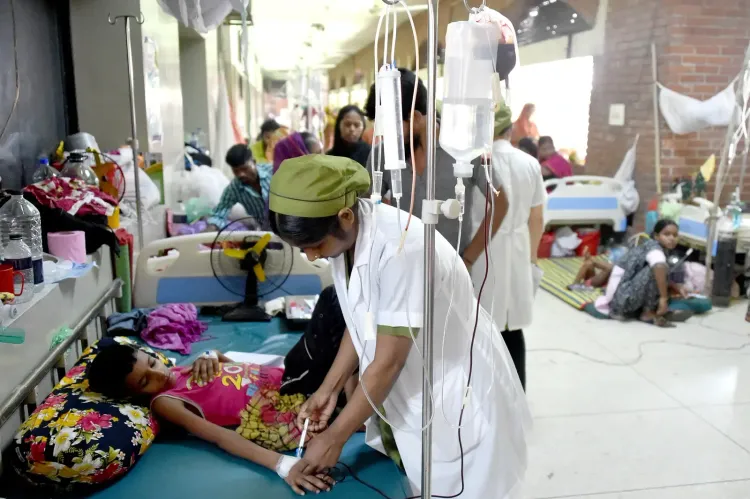
Bangladesh is enduring the world's worst measles outbreak of 2025, with more than 2,02,000 suspected cases and 1,147 deaths recorded since the outbreak began in mid-March, according to a new report citing World Health Organization (WHO) data. The country has logged more suspected cases than any other nation this year, underscoring a deepening public health emergency driven by the collapse of routine immunisation coverage.
Scale of the Outbreak
Of the 2,02,000 suspected cases, WHO data confirms 22,000 laboratory-verified infections. Critically, 94 per cent of all reported deaths have been among children under five — the most vulnerable and least protected age group. By September 2025, Bangladesh was recording an average of 1,198 new cases per day, the highest daily figure since May, indicating the outbreak had not yet peaked.
Why Immunisation Coverage Collapsed
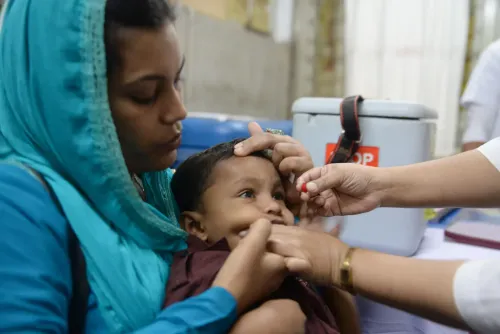
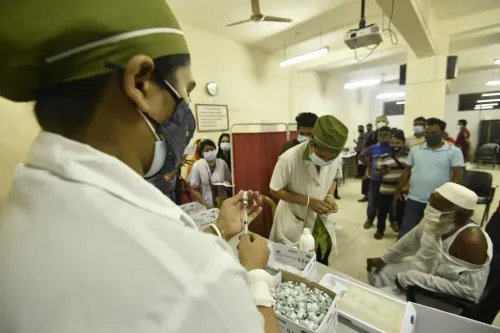
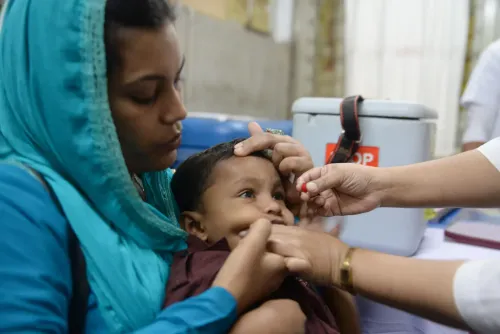
The WHO stipulates that a vaccination coverage rate of at least 95 per cent is required to prevent measles outbreaks through herd immunity. Bangladesh had come close to that threshold in recent years, but coverage slipped sharply in 2025. WHO and UNICEF estimate first-dose coverage fell to 90 per cent, while second-dose coverage dropped to 86 per cent — well below the critical threshold.
Paradoxically, reported numbers of inoculated individuals in some areas exceeded 100 per cent of targets, suggesting serious errors in dose counting or target population estimates. A joint review by UNICEF and the Bangladesh Bureau of Statistics found that 40 per cent of children went unregistered — effectively invisible to health planners. Compounding the crisis, government data reportedly shows that around a third of health worker posts across the country remain unfilled.
Faulty Data and a Broken Emergency Response
Analysis of WHO documents and interviews with scientists, health workers and officials revealed that Bangladesh's emergency response was severely hampered by unreliable data that left millions of children outside the vaccination net. Experts described a system where gaps in coverage, weak outreach, and administrative failures reinforced each other, making containment difficult even once the outbreak was identified.
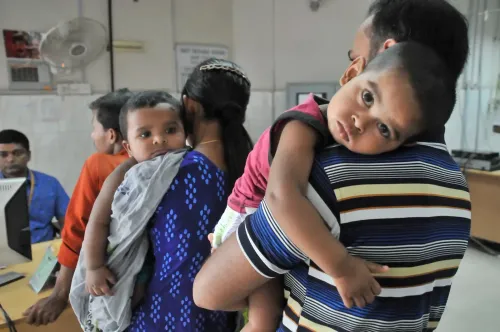
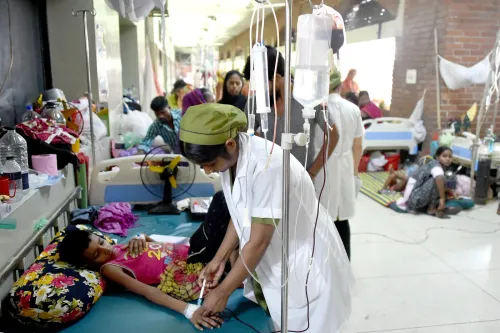
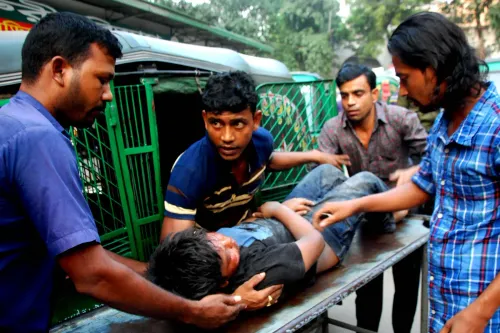
One case highlighted the human cost of these failures: a two-year-old named Arman Hossain from a remote village in the northeast Sylhet region died in July, unvaccinated, just 24 hours after being admitted to hospital. His father reportedly sold the family's three-wheeled auto rickshaw to pay for treatment. According to the family, health workers had not reached their remote village in time.
What Experts Are Calling For
Health experts have urged Bangladesh's government to urgently expand vaccination drives to children over five years, an age group that, according to available data, accounts for roughly a third of all measles cases in the current outbreak — a proportion that has received less policy attention than the under-five cohort. This comes amid broader international concern that post-pandemic disruptions to routine immunisation programmes have left dangerous gaps across South and Southeast Asia.
Whether Bangladesh can arrest the outbreak before the year ends will depend heavily on the government's ability to urgently rebuild vaccination infrastructure and correct the data-collection failures that allowed so many children to fall through the net.
Point of View
Coverage statistics become fiction, and 'herd immunity' is a number on paper rather than a shield in the field. The fact that reported coverage exceeded 100 per cent in some areas while children were dying unvaccinated in Sylhet villages is not a statistical quirk — it is evidence of a system that has lost the ability to see itself clearly. For neighbouring countries and global health planners, the lesson is pointed: post-pandemic immunisation recovery that focuses on headline doses without fixing registration and workforce gaps is building on sand.
NationPress
21 Oct 2026
Frequently Asked Questions
How bad is Bangladesh's measles outbreak in 2025?
Bangladesh has recorded more than 2,02,000 suspected measles cases and 1,147 deaths since the outbreak began in mid-March 2025, making it the worst measles outbreak in the world this year. WHO data confirms 22,000 laboratory-verified cases within that total.
Why did measles spread so rapidly in Bangladesh?
Vaccination coverage fell below the 95 per cent threshold required for herd immunity, with first-dose coverage dropping to 90 per cent and second-dose to 86 per cent in 2025. Compounding the problem, 40 per cent of children were unregistered and a third of health worker posts were reportedly vacant, leaving millions of children outside the immunisation net.
Who is most affected by the Bangladesh measles outbreak?
Children under five account for 94 per cent of all reported deaths, making them by far the most affected group. However, health experts note that children over five now represent around a third of all cases and need to be included in expanded vaccination drives.
What does the WHO say is needed to prevent measles outbreaks?
The WHO recommends at least 95 per cent vaccination coverage to achieve herd immunity and prevent measles outbreaks. Bangladesh came close to this threshold in recent years before coverage dropped sharply in 2025, triggering the current crisis.
What are experts recommending to contain the outbreak?
Health experts are urging the Bangladesh government to expand vaccination campaigns to children over five, correct the data-collection failures that left millions unregistered, and fill vacant health worker posts. WHO and UNICEF are also involved in assessing the scale of the coverage collapse.