Bangladesh measles death toll hits 1,389 as 3 more children die
Synopsis
Bangladesh's measles outbreak has now killed 1,389 people in 2026, with three more children dying in a single day and over 1,200 new suspected cases still emerging daily. Sheikh Hasina blames vaccine stocks running dry in March, and the political fight over who failed the children is intensifying.
Key Takeaways
Three more children died from measles-like symptoms in the 24 hours to 8 am on 29 November 2026 , one each in Dhaka , Sylhet and Mymensingh .
Bangladesh's 2026 measles death toll stands at 1,389 : 1,283 suspected and 106 confirmed.
Suspected cases have reached 265,074 , with 1,269 added in a day; confirmed cases total 26,687 .
237,647 suspected patients have been hospitalised since 15 March , of whom 228,495 have recovered.
Former PM Sheikh Hasina alleged that measles-rubella vaccine stocks ran out in March 2026 .
She blamed both the Muhammad Yunus -led interim administration and the Tarique Rahman -led BNP government.
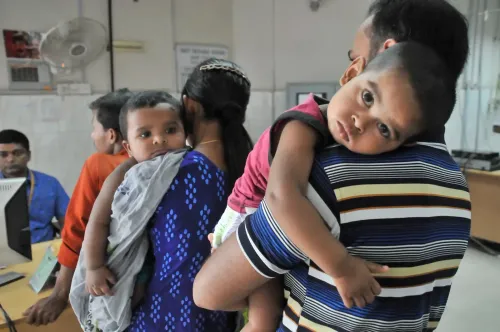
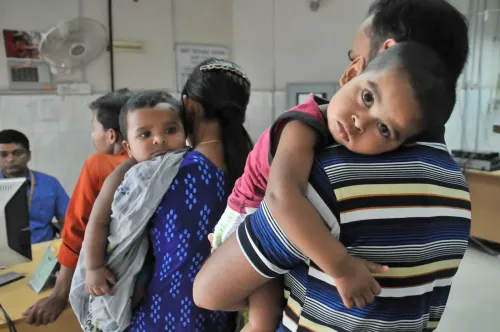
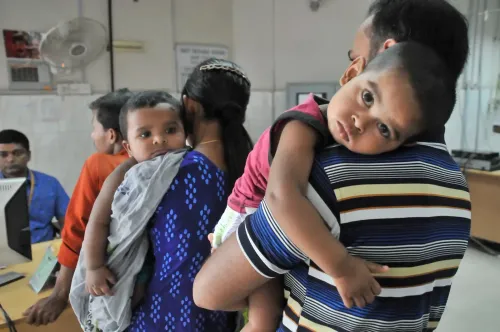
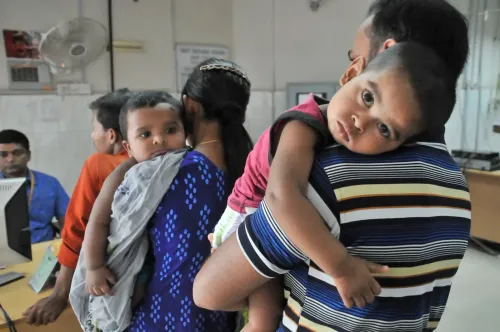
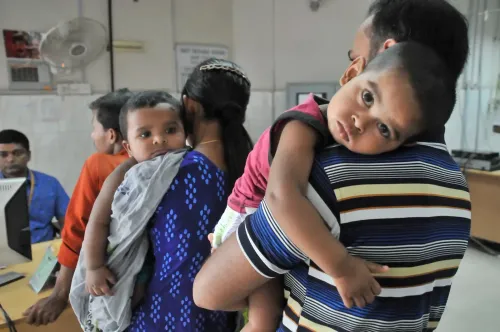
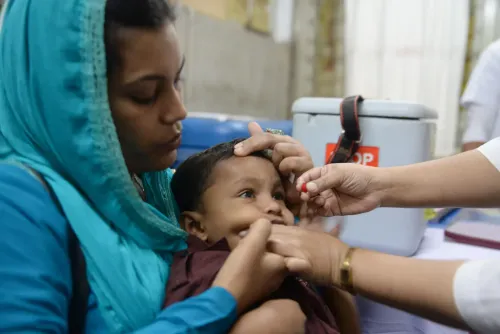
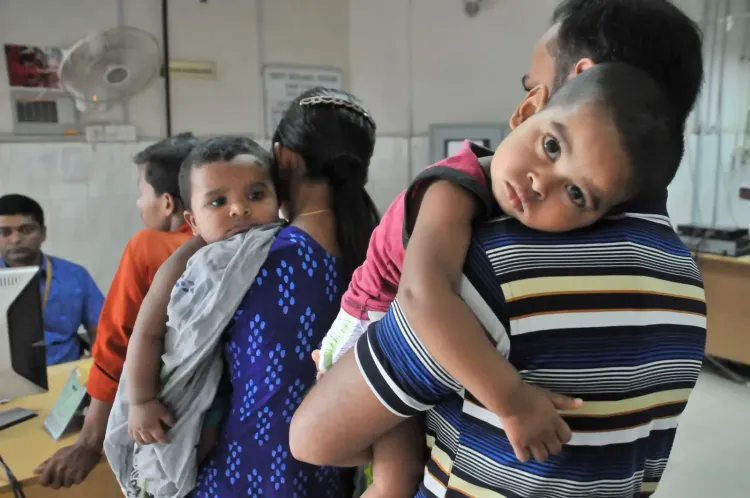
The measles outbreak in Bangladesh has claimed three more young lives, with children in Dhaka, Sylhet and Mymensingh divisions dying from measles-like symptoms in the 24 hours ending 8 am (local time) on Sunday, 29 November 2026. The deaths take the country's fatality count for 2026 to 1,389, according to local media reports citing health authorities. Bangladesh is struggling to contain what has been described as an unprecedented outbreak.
Latest Figures From Health Authorities
According to the Directorate General of Health Services (DGHS), all three new deaths were classified as suspected measles cases. One death was recorded in each of the three divisions.
With these additions, suspected measles deaths have risen to 1,283. Confirmed deaths remained unchanged at 106, the Dhaka Tribune reported.
Notably, suspected deaths account for the vast majority of the toll. This underlines the gap between clinical suspicion and laboratory confirmation during a fast-moving outbreak.
Cases Continue to Climb
A further 1,269 suspected cases were reported in the same 24-hour window. That takes the national tally of suspected infections to 265,074.
Over the same period, 79 new confirmed cases were logged, bringing total confirmed infections to 26,687. The daily numbers indicate that transmission is still active months after the outbreak began.
Since 15 March, as many as 237,647 suspected measles patients have been admitted to hospitals across the country. Of these, 228,495 have recovered and been discharged, according to DGHS data.
Sheikh Hasina Blames ‘State Negligence’
The outbreak has also become a political flashpoint. Last month, former Prime Minister Sheikh Hasina described the measles ‘epidemic’ as the result of ‘state negligence’ and the collapse of the country's decades-old immunisation system.
In remarks to The Sunday Guardian, Hasina accused the former interim administration led by Muhammad Yunus of disrupting vaccine procurement through political and administrative decisions. She said this created a considerable immunisation gap.
She alleged that Bangladesh's measles-rubella vaccine stocks ran out in March 2026, after which vaccination coverage fell sharply. She also claimed that authorities failed to launch a supplementary vaccination campaign on schedule. The outbreak's hospital admission figures are counted from mid-March, the same month in which she says stocks ran out.
Hasina also criticised the Bangladesh Nationalist Party (BNP) government led by Prime Minister Tarique Rahman. She alleged that it did not take adequate action once the severity of the outbreak became evident.
“More than one thousand children dying from a preventable disease is not an ordinary administrative failure,” she said.
Demands for Accountability and Next Steps
The former Prime Minister called for uninterrupted vaccine supplies and targeted immunisation drives for vulnerable communities. She also sought real-time disease monitoring and expanded paediatric healthcare facilities.
She further demanded an independent probe into the alleged procurement and vaccination failures. The government's response to these allegations has not been detailed in the reports.
With new suspected cases still running above a thousand a day, attention will remain on whether Dhaka can restore immunisation coverage quickly enough to slow the outbreak.
Point of View
400 from a vaccine-preventable disease is a systemic failure, whatever the politics of who presided over it. Hasina's allegations are partisan, but they raise a verifiable question: did measles-rubella stocks run out in March 2026, the same month hospital admissions began being tracked? Neither Dhaka's current government nor the former interim administration has offered a clear public accounting. For India, which shares a long and porous border with Bangladesh, this is a cross-border health risk that warrants heightened surveillance in eastern and north-eastern states.
NationPress
29 Nov 2026
Frequently Asked Questions
How many people have died in Bangladesh's measles outbreak in 2026?
As of 8 am on 29 November 2026, Bangladesh has recorded 1,389 measles deaths this year. Of these, 1,283 are suspected and 106 are laboratory-confirmed, according to the DGHS.
How many measles cases has Bangladesh reported?
Bangladesh has reported 265,074 suspected measles cases and 26,687 confirmed infections so far. In the latest 24-hour period, 1,269 suspected and 79 confirmed cases were added.
Where were the latest measles deaths reported?
The three latest deaths were reported in the Dhaka, Sylhet and Mymensingh divisions, one in each. All three were classified as suspected measles cases.
What has Sheikh Hasina said about the measles outbreak?
Former Prime Minister Sheikh Hasina blamed the outbreak on ‘state negligence’ and the collapse of the immunisation system. She alleged that measles-rubella vaccine stocks ran out in March 2026. She criticised both the Muhammad Yunus-led interim administration and the Tarique Rahman-led BNP government.
How many measles patients have recovered in Bangladesh?
Of the 237,647 suspected measles patients hospitalised since 15 March, 228,495 have recovered and been discharged, according to the DGHS.