Bangladesh measles outbreak: 9 more deaths, toll at 1,361
Synopsis
Nine more children have died in Bangladesh's measles outbreak, taking the 2026 toll of confirmed and suspected deaths to 1,361. Health authorities also recorded 1,283 new suspected cases in 24 hours.
Key Takeaways
Nine children died from suspected measles in Bangladesh in the 24 hours leading up to 24 November 2026 .
The reported 2026 toll reached 1,361 , including 105 confirmed and 1,256 suspected deaths.
The DGHS recorded 1,283 new suspected cases and 68 new confirmed cases.
Former Prime Minister Sheikh Hasina alleged that vaccine stocks ran out in March 2026 and called for an independent investigation.
Former DGHS official Be-nazir Ahmed said vaccine procurement through UNICEF resumed in April , followed by an emergency drive.
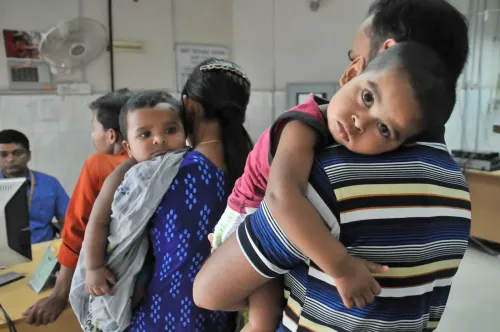
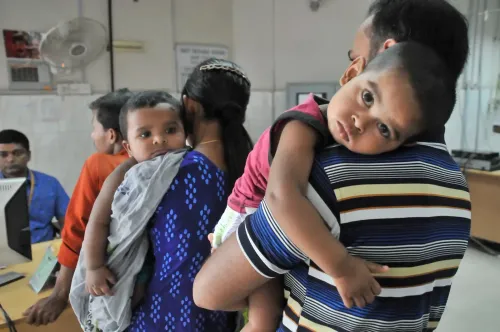
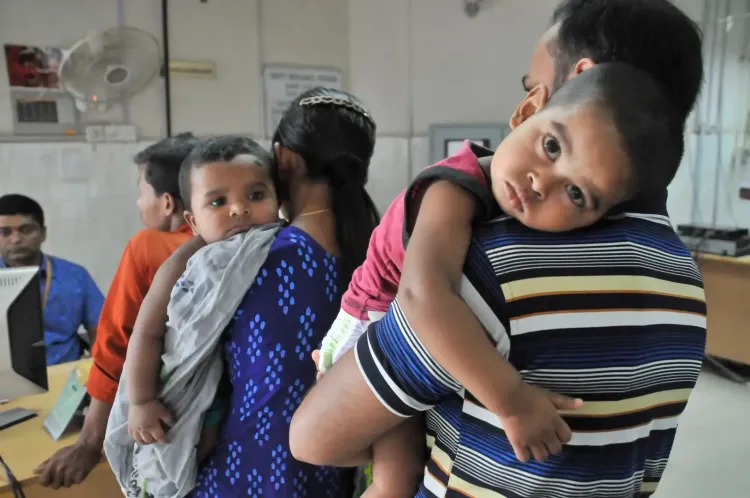
The Bangladesh measles outbreak has claimed the lives of another nine children, taking the number of confirmed and suspected deaths in 2026 to 1,361, according to local media reports citing the Directorate General of Health Services (DGHS). The latest deaths, all suspected measles fatalities, were recorded in the 24 hours leading up to Tuesday morning, 24 November 2026.
The figures come as former Prime Minister Sheikh Hasina has alleged failures in vaccine procurement and the response to the outbreak. A former disease control official has cautioned that rapid transmission could make the outbreak difficult to contain quickly.
Confirmed and suspected deaths
The latest nine deaths were identified as suspected measles fatalities, according to Bangladeshi media outlet UNB. Reports said the number of confirmed deaths remained at 105, while suspected deaths rose to 1,256.
The distinction matters because the overall toll combines confirmed deaths with deaths suspected to be linked to measles. The reported figures do not indicate that all 1,361 fatalities have been confirmed as measles deaths.
New infections add to case count
The DGHS recorded 1,283 new suspected cases in the same 24-hour period, taking the cumulative suspected case count to 2,59,190. It also reported 68 new confirmed cases, raising that total to 26,300.
As with the death toll, the case figures are reported in separate confirmed and suspected categories. The latest update reflects both the continuing identification of suspected infections and a smaller number of newly confirmed cases.
Hasina alleges vaccination failures
Speaking to The Sunday Guardian last month, former Prime Minister Sheikh Hasina described the measles epidemic as the result of “state negligence” and a collapse of the long-standing immunisation system. She accused the former interim administration led by Muhammad Yunus of disrupting vaccine procurement through political and administrative decisions.
Hasina alleged that Bangladesh exhausted its measles-rubella vaccine stocks in March 2026, after which vaccination coverage fell sharply. She also claimed that authorities failed to start a supplementary vaccination campaign at the scheduled time.
She criticised the government led by Prime Minister Tarique Rahman and the Bangladesh Nationalist Party (BNP), alleging that it did not take adequate action once the severity of the outbreak became apparent. “More than one thousand children dying from a preventable disease is not an ordinary administrative failure,” she said.
Hasina called for uninterrupted vaccine supplies, targeted immunisation for vulnerable communities, real-time disease monitoring, expanded paediatric facilities and an independent investigation into the alleged procurement and vaccination failures. The source reports her allegations but does not include a response from either administration.
Containment and vaccination response
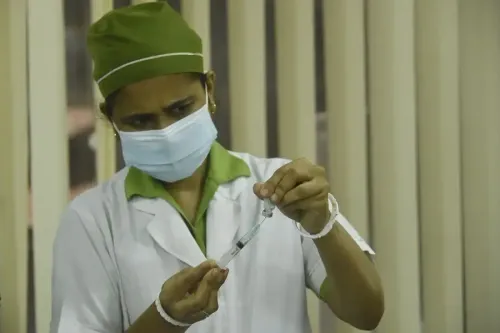
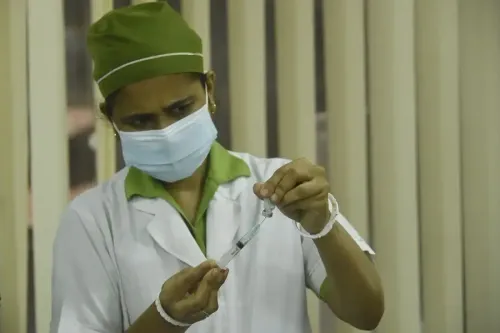
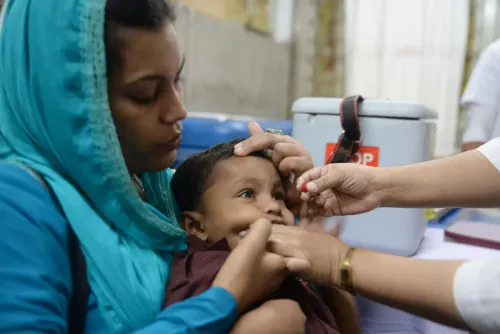
Be-nazir Ahmed, a former Director of Disease Control at DGHS, said last month that Bangladesh had reinstated vaccine procurement through UNICEF in April, followed by an emergency vaccination drive, according to The Daily Star. He cautioned that the speed of transmission meant the epidemic was unlikely to be contained quickly.
The reported emergency drive and the latest case figures point to the continuing challenge of reaching people at risk while infections are still being recorded. Further DGHS updates will show how the reported case and death counts change.
Point of View
Including a clear account of vaccine stocks, procurement and campaign timing. Political accountability and a transparent public health response should not be treated as competing priorities.
NationPress
24 Nov 2026
Frequently Asked Questions
How many people have died in the Bangladesh measles outbreak?
The reported 2026 toll is 1,361 confirmed and suspected deaths. It includes 105 confirmed deaths and 1,256 suspected deaths.
How many new measles cases were reported in Bangladesh?
The DGHS recorded 1,283 new suspected cases and 68 new confirmed cases in the 24 hours leading up to Tuesday morning. The respective cumulative totals reached 2,59,190 and 26,300.
What has Sheikh Hasina said about the measles outbreak?
Former Prime Minister Sheikh Hasina alleged that vaccine procurement and vaccination failures contributed to the outbreak. She called for an independent investigation and measures including targeted immunisation.
What vaccination response has Bangladesh undertaken?
Bangladesh reinstated vaccine procurement through UNICEF in April, followed by an emergency vaccination drive, according to former DGHS official Be-nazir Ahmed. He cautioned that rapid transmission could make the outbreak difficult to contain quickly.
Are all 1,361 measles deaths confirmed?
No, the reported total combines 105 confirmed deaths with 1,256 suspected deaths. The latest nine fatalities were classified as suspected.