Measles outbreak in Bangladesh: Death toll reaches 1,299 in 2026
Synopsis
Bangladesh's measles crisis has now claimed nearly 1,300 lives in 2026, with four more children dying on 12 November alone. With over 244,000 suspected cases and experts warning that containment remains far off, the outbreak has become a flashpoint for accusations of vaccine procurement failures, immunisation system collapse, and political negligence across successive administrations.
Key Takeaways
Four more children died from suspected measles in Bangladesh on 12 November 2026 , raising the year's death toll to 1,299 .
Of total deaths, 105 are confirmed and 1,194 are classified as suspected, per the DGHS .
Total suspected cases have crossed 244,291 ; confirmed cases stand at 24,880 .
Former PM Sheikh Hasina alleged Bangladesh's measles-rubella vaccine stocks ran out in March 2026 due to procurement failures under the interim administration.
Former DGHS disease control director Benazir Ahmed warned the epidemic is unlikely to be quickly contained despite an emergency vaccination drive launched after UNICEF -backed procurement resumed in April 2026 .
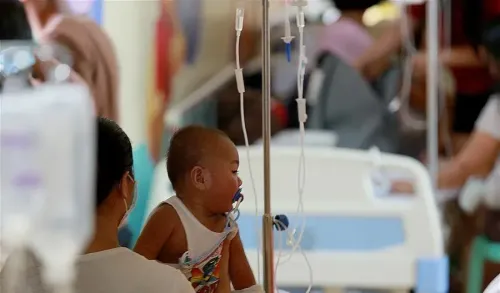
Bangladesh's devastating measles outbreak claimed four more children's lives on Thursday, 12 November 2026, pushing the cumulative death toll for the year to 1,299, according to local media reports. The latest fatalities were classified as suspected cases, as the epidemic continues to overwhelm the country's public health infrastructure.
Latest Case and Death Figures
The Directorate General of Health Services (DGHS) recorded the four new deaths within a 24-hour period leading up to Thursday morning. Of the total 1,299 deaths reported so far in 2026, 105 have been confirmed, while 1,194 remain classified as suspected, according to Bangladeshi media outlet UNB.
The DGHS also logged 1,384 new suspected cases in the same 24-hour window, bringing the overall suspected case tally to 244,291. An additional 157 confirmed cases were added, raising the total confirmed count to 24,880.
Former PM Hasina Blames Immunisation Collapse
Former Bangladesh Prime Minister Sheikh Hasina last month described the outbreak as an 'epidemic' caused by 'state negligence' and the breakdown of the country's decades-old immunisation system. Speaking to The Sunday Guardian, Hasina alleged that the former Muhammad Yunus-led interim administration disrupted vaccine procurement through political and administrative decisions, creating a significant immunisation gap.
She further alleged that Bangladesh's measles-rubella vaccine stocks were exhausted in March 2026, followed by a sharp decline in vaccination coverage. She also claimed that authorities failed to launch a supplementary vaccination campaign at the scheduled time, and criticised the subsequent Prime Minister Tarique Rahman-led BNP government for allegedly failing to respond adequately once the severity of the outbreak became clear.
'More than one thousand children dying from a preventable disease is not an ordinary administrative failure,' Hasina said.
Expert Warning: Containment Will Take Time
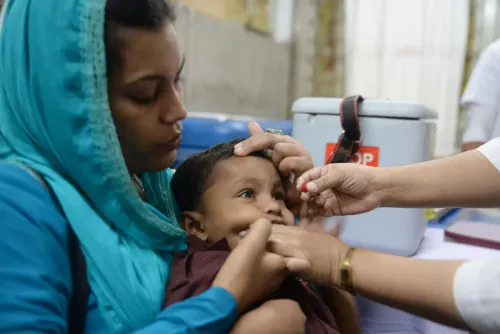
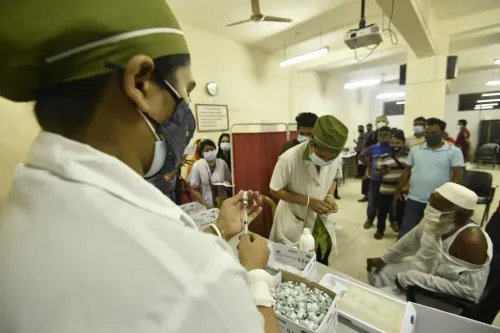
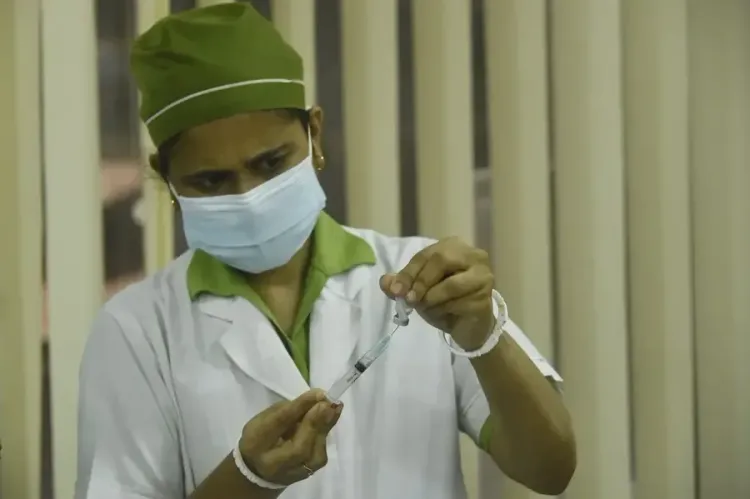
Benazir Ahmed, former director of disease control at the DGHS, cautioned last month that despite Bangladesh reinstating vaccine procurement through UNICEF in April 2026 and launching an emergency vaccination drive, the epidemic is unlikely to be quickly brought under control given the speed of transmission, according to Bangladesh's leading newspaper The Daily Star.
Demands for Accountability and Reform
Hasina called for a broad remedial response, including uninterrupted vaccine supplies, targeted immunisation campaigns for vulnerable communities, real-time disease surveillance, expanded paediatric healthcare capacity, and an independent probe into the alleged procurement and vaccination failures. Critics argue that the outbreak — affecting what is a fully vaccine-preventable disease — exposes systemic governance failures that go well beyond any single administration.
As the death toll edges toward 1,300, international health organisations will face mounting pressure to escalate their on-the-ground response in Bangladesh.
Point of View
300 from a vaccine-preventable disease is not a public health failure — it is a governance failure. The fact that measles-rubella stocks were allegedly exhausted for weeks before emergency procurement resumed points to a procurement and monitoring breakdown that multiple administrations must answer for. Bangladesh's immunisation infrastructure, once a development success story, appears to have been hollowed out in ways that will take years and significant political will to rebuild. International bodies including UNICEF are now implicated too — the question of why alarm bells were not raised sooner, and by whom, deserves as much scrutiny as the domestic political blame game.
NationPress
12 Nov 2026
Frequently Asked Questions
What is the current death toll from the measles outbreak in Bangladesh?
As of 12 November 2026, the measles outbreak in Bangladesh has killed 1,299 people during the year. Of these, 105 deaths are confirmed and 1,194 are classified as suspected, according to the Directorate General of Health Services (DGHS).
How many measles cases have been reported in Bangladesh in 2026?
The total number of suspected measles cases in Bangladesh has reached 244,291, while confirmed cases stand at 24,880. The DGHS recorded 1,384 new suspected cases and 157 new confirmed cases in the 24-hour period ending Thursday morning, 12 November 2026.
Why did the measles outbreak in Bangladesh become so severe?
Former PM Sheikh Hasina alleged that the outbreak resulted from vaccine procurement failures and the collapse of Bangladesh's immunisation system. She claimed measles-rubella vaccine stocks were exhausted in March 2026, and that neither the Muhammad Yunus-led interim government nor the subsequent Tarique Rahman-led BNP government took adequate corrective action in time.
Is Bangladesh's measles epidemic likely to be contained soon?
Experts are not optimistic in the short term. Former DGHS director Benazir Ahmed warned last month that despite UNICEF-backed vaccine procurement resuming in April 2026 and an emergency vaccination drive being launched, the speed of transmission makes rapid containment unlikely.
What measures have been demanded to address the Bangladesh measles crisis?
Former PM Hasina has called for uninterrupted vaccine supplies, targeted immunisation campaigns for vulnerable communities, real-time disease surveillance, expanded paediatric healthcare facilities, and an independent investigation into alleged procurement and vaccination failures.