Bangladesh measles outbreak: Death toll hits 560, five more children dead
Synopsis
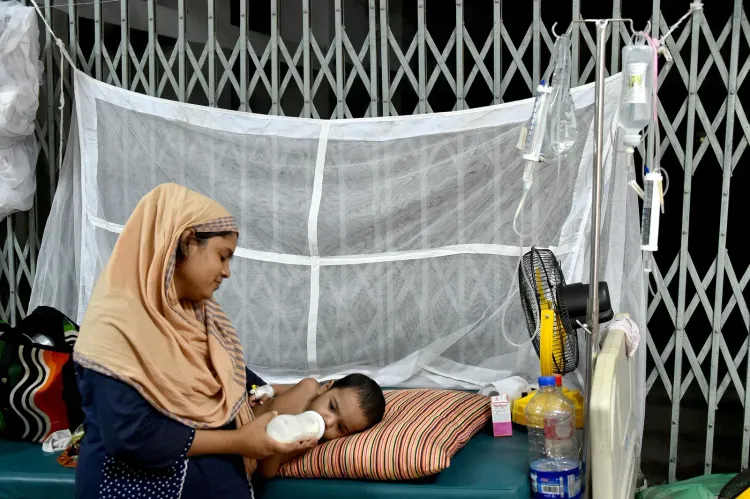
Bangladesh's measles crisis has now claimed 560 lives since mid-March, with five more children dying in a single day even after the government's vaccination drive concluded. With Eid travel set to mix millions of people across divisions, health officials are warning that the worst may still be ahead.
Key Takeaways
Bangladesh's measles outbreak death toll reached 560 as of 27 May 2025 , with five new deaths in 24 hours.
88 deaths are confirmed; 472 remain suspected, per DGHS data.
Total suspected cases stand at 67,079 ; confirmed cases at 8,494 .
Daily suspected cases have exceeded 1,000 on nearly every day in May, despite the vaccination drive's preliminary phase ending on 20 May .
Health Minister Sakhawat Husain and medical experts have warned that Eid travel and mass gatherings could accelerate transmission further.
Lack of treatment facilities in remote areas remains a critical structural concern, especially for travelling children.
Bangladesh's escalating measles outbreak claimed five more children's lives on Wednesday, 27 May, pushing the total death toll to 560 since the crisis began on 15 March 2025, according to local media reports. The Directorate General of Health Services (DGHS) confirmed the latest fatalities were recorded within a single 24-hour window, underscoring the outbreak's unrelenting pace.
Latest Case and Death Figures
Of the 560 total deaths, 88 have been confirmed while 472 remain classified as suspected, according to DGHS data. The Dhaka division recorded the highest number of fresh fatalities — two deaths — in the latest reporting cycle, as per Bangladeshi media outlet UNB.
On the case front, 1,056 new suspected infections were logged in the same 24-hour period, bringing the cumulative suspected case count to 67,079. An additional 62 confirmed cases were added, taking the confirmed total to 8,494. Notably, daily suspected cases have exceeded 1,000 on nearly every day this month, with only 9 May, 16 May, and 23 May falling below that threshold, according to DGHS records.
Vaccination Drive Has Not Slowed the Spread
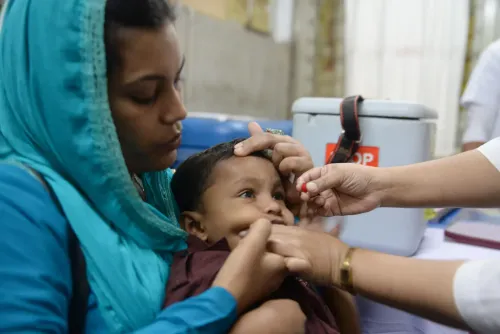
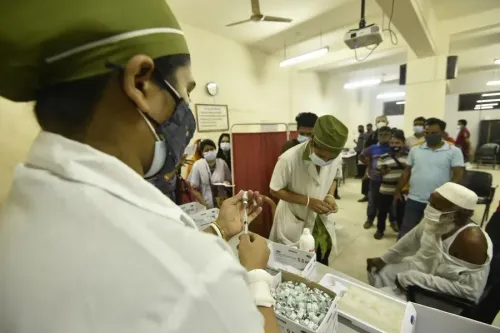
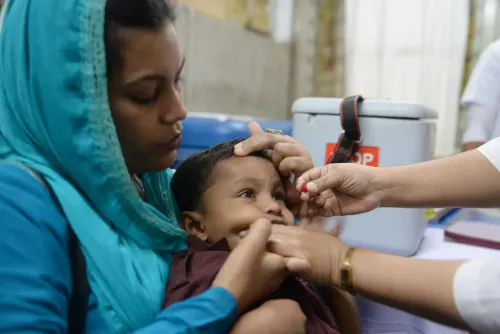
The preliminary phase of Bangladesh's one-and-a-half-month special measles-rubella vaccination drive concluded on 20 May, yet cases and deaths have continued to climb, The Daily Star reported. Public health specialists warn that the campaign's completion has not yet translated into a visible reduction in transmission, raising questions about coverage gaps — particularly in remote and underserved districts where treatment infrastructure remains thin.
Eid Travel Raises Alarm Among Health Officials
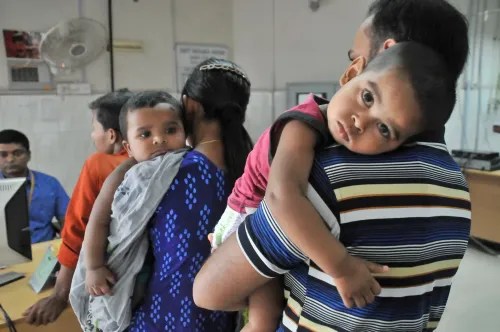
Public health experts and physicians have warned that mass gatherings, long-distance travel, and family visits during the Eid holidays could sharply accelerate the spread of the disease. They advised families with young children to avoid unnecessary gatherings, restrict movement, and follow preventive protocols, cautioning that the ongoing hot season may further intensify transmission risks.
FA Asma Khanom, Director of the Infectious Diseases Hospital, was quoted by Dhaka Tribune as saying: 'In this situation, it is best for people to stay where they are. Unnecessary movement should be limited as much as possible.'
Bangladesh's Health Minister Sakhawat Husain, addressing a programme at the Secretariat in Dhaka last week, warned that unrestricted Eid travel and crowded public transport could fuel measles transmission. He urged families not to expose infected or recently recovered children to crowded public spaces or relatives' homes, stressing that while vaccination significantly reduces risk, it does not offer 100 per cent protection.
Remote Areas and Structural Gaps
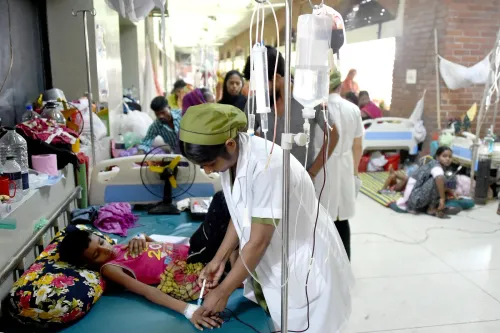
Experts have flagged the lack of adequate treatment facilities in remote areas as a serious and persisting concern, especially for children who may fall ill while travelling. This structural gap — inadequate rural health infrastructure — has been a recurring challenge in Bangladesh's response to infectious disease outbreaks, and the current crisis has brought it back into sharp focus.
With Eid travel underway and daily case counts remaining high, health authorities face a narrow window to contain further spread before community transmission deepens across divisions.
Point of View
000 even after the vaccination drive's preliminary phase ended on 20 May points to coverage gaps, cold-chain failures, or both. Bangladesh's health system has repeatedly struggled with last-mile delivery in rural districts, and this outbreak is exposing that structural weakness in real time. The Eid travel warning is well-founded, but the harder question is why a disease the world knows how to prevent has been allowed to reach this scale in the first place.
NationPress
27 Sept 2026
Frequently Asked Questions
What is the current death toll from the Bangladesh measles outbreak?
The death toll from the Bangladesh measles outbreak reached 560 as of 27 May 2025, after five more children died within a single 24-hour period. Of the total, 88 deaths are confirmed and 472 are classified as suspected, according to the DGHS.
How many measles cases have been reported in Bangladesh so far?
As of 27 May 2025, Bangladesh has recorded 67,079 suspected measles cases and 8,494 confirmed cases since the outbreak began on 15 March 2025, per DGHS data. Daily suspected cases have exceeded 1,000 on nearly every day in May.
Why hasn't the vaccination drive stopped the Bangladesh measles outbreak?
The preliminary phase of Bangladesh's special measles-rubella vaccination drive concluded on 20 May 2025, but cases and deaths have continued to rise. Public health experts suggest coverage gaps — particularly in remote areas — and the ongoing hot season are sustaining transmission.
How does Eid travel affect the measles outbreak in Bangladesh?
Health experts warn that mass gatherings, long-distance travel, and family visits during Eid could significantly accelerate measles transmission. Health Minister Sakhawat Husain has urged families to avoid exposing infected or recently recovered children to crowded spaces, noting that vaccination reduces but does not eliminate risk.
Which areas of Bangladesh are worst affected by the measles outbreak?
The Dhaka division recorded the highest number of fresh fatalities in the latest 24-hour reporting cycle, with two of the five new deaths. Experts have also flagged remote areas across the country as particularly vulnerable due to inadequate treatment facilities.