Are Bangladesh's elections a crucial move towards restoring democratic governance and rule of law according to the EU?
Synopsis
The EU has praised Bangladesh's recent parliamentary elections as a significant advancement towards restoring democracy and the rule of law. With claims of a decisive victory by the BNP-led alliance, the elections have sparked discussions on voter turnout and minority participation.
Key Takeaways
The EU praised the parliamentary elections in Bangladesh as a significant step for democracy.
No direct evidence of fraud was observed, though irregularities were noted.
The BNP-led alliance's victory allows for the formation of a new government.
The EU emphasized the importance of voter participation across various communities.
Future reforms should reflect the will of the electorate as expressed in the referendum.
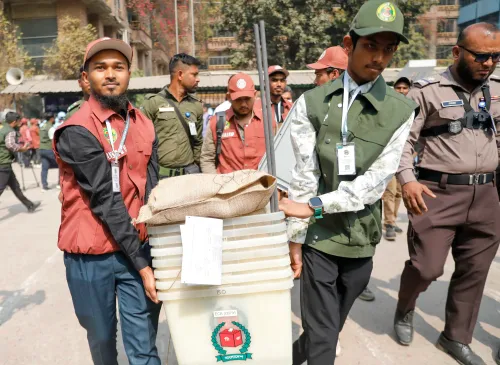
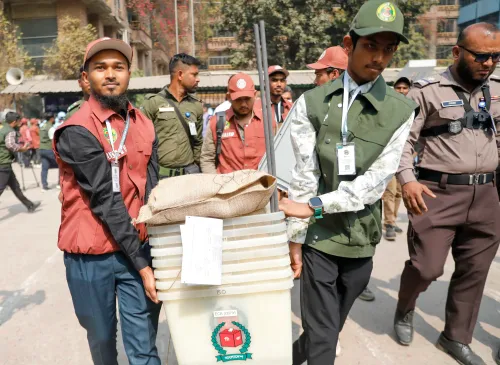
Dhaka, Feb 14 (NationPress) The European Union (EU) on Saturday expressed its approval of what it characterized as "truly competitive" parliamentary elections and a referendum in Bangladesh, labeling the event as a "crucial milestone" toward the reinstatement of democratic governance and the rule of law in the nation.
It also highlighted that there was "no direct observation" of fraudulent activities or ballot stuffing during the elections. Nevertheless, some reports allege instances of tampering in various constituencies.
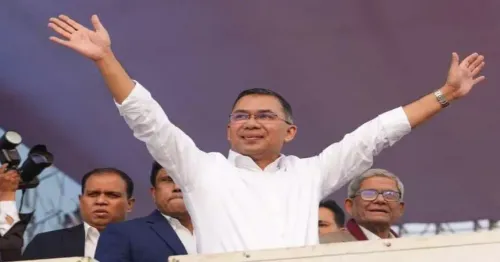
The BNP-led coalition asserted a significant victory in the Bangladeshi elections held on Friday, claiming 210 seats and exceeding the majority requirement, thus setting the stage for a new government.
In an official statement, the EU remarked, "The European Union celebrates the occurrence of genuinely competitive parliamentary elections and a referendum in Bangladesh within a peaceful environment. The citizens of Bangladesh have actively exercised their democratic rights in substantial numbers."
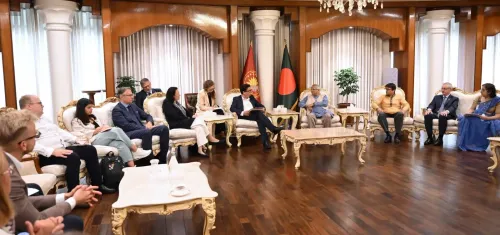
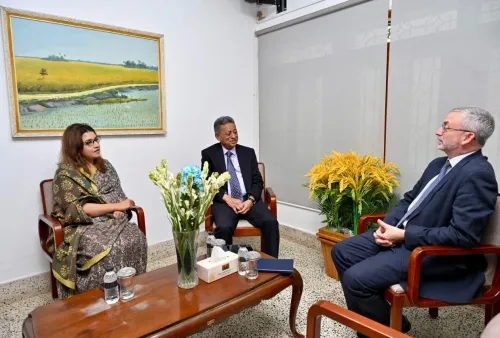
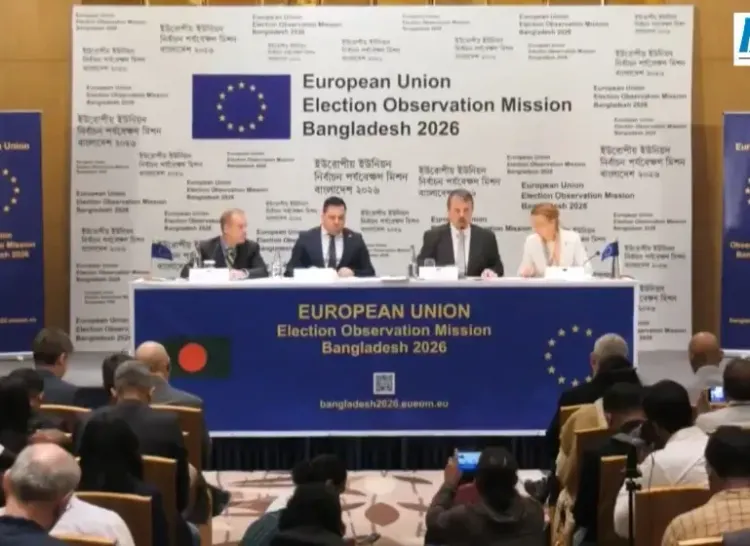
The EU’s Election Observation Mission, which revealed its initial assessment during a press conference in the Bangladeshi capital, acknowledged that the elections were "credible and well-managed".
It further asserted that the elections signified a "crucial step towards reinstating democratic governance and the rule of law."
During a press conference in Dhaka, EU Chief Observer Ivars Ijabs responded to inquiries concerning voter turnout and general participation.
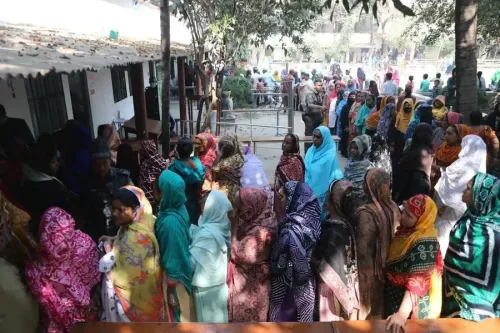
“We do not view turnout merely as a number in percentage terms, because, as you are aware, many democratic nations, including my own, are witnessing a decline in turnout. Some countries have higher participation, while others have lower. This is a significant concern for democracies, I must emphasize. However, it transcends mere numbers; all regions and communities of the country are engaged in this election, which is noteworthy,” he stated.
Regarding minority involvement, Ijabs indicated that the mission would deliver a comprehensive account in its final findings.
“In our final report, we will document that we were distributed throughout the country, engaging with indigenous communities and other religious and ethnic groups, who occasionally voiced concerns regarding this process. This will be addressed in our final report,” he mentioned.
The mission’s detailed final report is set to be published later this year.
Addressing allegations and reports of electoral irregularities, the EU chief observer confirmed that there was no direct evidence of widespread fraud.
“I can assure you that there was no direct observation of fraud or ballot stuffing. Certainly, we noted some irregularities occurring... I believe we should focus on the appeal process now and whether these appeals and grievances are being addressed in a legal and transparent manner,” he added.
In its official statement, the EU also encouraged all parties to collaborate in advancing reform initiatives endorsed by voters via the referendum.
It urged political entities to "join forces to implement the constitutional, judicial, and other significant reforms that have received public support in the referendum, recognizing the essential role of the new Parliament in this context."
“The EU looks forward to collaborating with the new government of Bangladesh to strengthen relations and is prepared to support reforms based on respect for democratic principles, human rights, and the rule of law," the statement concluded.
Point of View
I maintain that the EU's acknowledgment of the recent elections in Bangladesh reflects a significant moment in the country's democratic journey. While reports of irregularities cannot be dismissed, the overall assessment offers hope for a more stable political landscape. This is a pivotal time for Bangladesh, and the commitment to reform must be prioritized.
NationPress
3 Oct 2026
Frequently Asked Questions
What did the EU say about the Bangladesh elections?
The EU welcomed the elections as genuinely competitive and a pivotal step towards restoring democratic governance and the rule of law.
What concerns were raised about the election process?
While there were no direct observations of fraud, reports suggested that some constituencies experienced rigging.
What is the significance of the BNP-led alliance's victory?
The BNP-led alliance claimed a decisive victory, securing 210 seats, which allows them to form a new government.
What is the EU’s stance on electoral reforms in Bangladesh?
The EU urged all stakeholders to collaborate on reform measures endorsed by voters, emphasizing the need for constitutional and judicial reforms.
When will the EU's final report be released?
The comprehensive final report from the EU's Election Observation Mission is scheduled to be released later this year.